What’s it like to do a fellowship in Parliament? 

By Juan Pablo Garcia Valencia (j.p.garciavalencia@pgr.reading.ac.uk)

In January of 2026, I paused my PhD to do a 3-month fellowship at the Parliamentary Office for Science and Technology (POST).  

This blog aims to give a summary of my experience, as well as some tips, tricks, and things to keep in mind if you’re interested in working in policy or science communication.  

What is POST?

The Parliamentary Office for Science and Technology (POST) is an impartial research and knowledge exchange service based in the UK Parliament. Their role is to ensure that members of parliament (including the House of Commons and House of Lords) have access to cutting-edge research evidence and expertise. It covers emerging or complex physical and social science topics, including health, the environment, housing and computing.

The Fellowship 

I first heard about the POST fellowship through a departmental seminar given by a previous POST fellow (shout out Helen Hooker!). From that moment, I knew it was an opportunity I couldn’t miss, as it aligned perfectly with my interest in the science–policy interface. 

The fellowship provides an opportunity to gain real-world experience in the communication of research to policymakers. In this 3-month placement, fellows get the chance to research, write and publish an in-depth research briefing, called POSTnote, on a matter that was either requested by a Parliamentarian or identified as a topic of interest.  
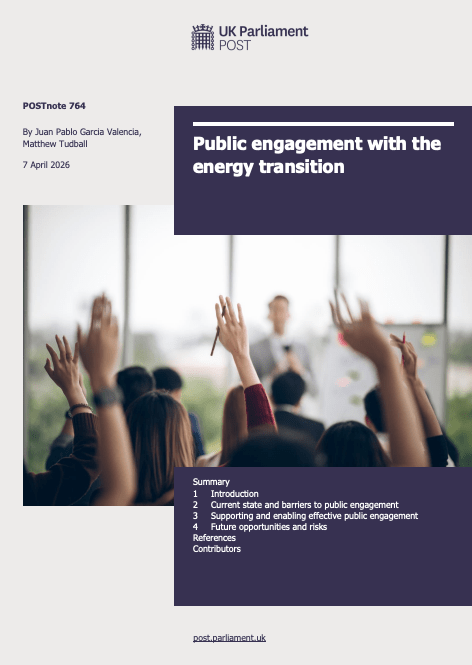
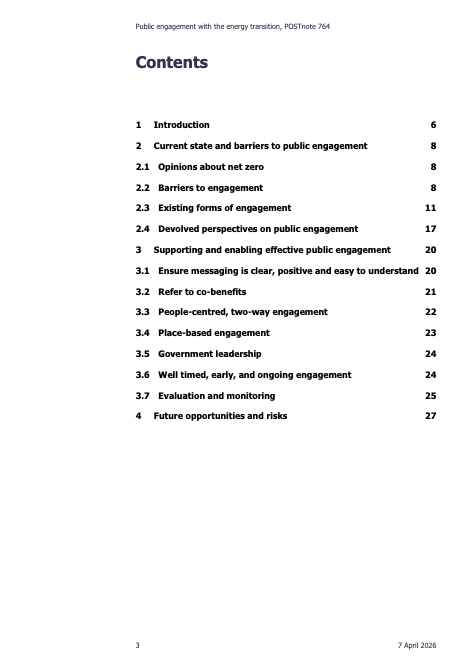
The front page and the list of contents of the POSTnote Here is the full briefing.

How does it work?  

Before you join, your research topic is agreed upon at a board meeting and communicated to you. Occasionally, you may get a choice between two topics, but most of the time, you are assigned a question that requires investigation.  

The topic will not be related to your PhD, and this is intentional. The aim is to help you write a briefing for parliamentarians who may have no prior knowledge of the subject. In many ways, the less you know at the start, the more likely you are to explain the topic in a simple, clear, and accessible way.  

To help you understand the topic, there is an extensive consultation process involving experts and stakeholders. By interviewing leading figures in the field, from academics to government officials, you will get a good understanding of the main themes, problems and concepts related to your topic and be able to write a well-informed, up-to-date briefing.  

And don’t worry if you have little to no interview experience (like I did), it’s definitely a skill that you perfect with practice, and your supervisor will help you prepare for them.  

Once you’ve completed the interviews, the writing stage begins. The briefings are just over 3,500 words long, so the challenge is often to condense all the valuable information you’ve just learnt. Again, this is a fantastic opportunity to develop your writing and communication skills. 

Your draft is then reviewed internally before being sent to stakeholders for external review, helping ensure that the final version is accurate, impartial, and comprehensive. 

Where is it?

The fellowship is based in Parliament itself, which is one of the best things about it. The POST offices (not to be confused with the actual post office inside Parliament…) are based just outside of the Palace of Westminster, about a 5-minute walk, in a nice and modern building. Most days, we would walk over to the Palace for lunch to enjoy the incredible views of the Terrace Cafeteria, one of the various (subsidised!) cafeterias in Parliament. 
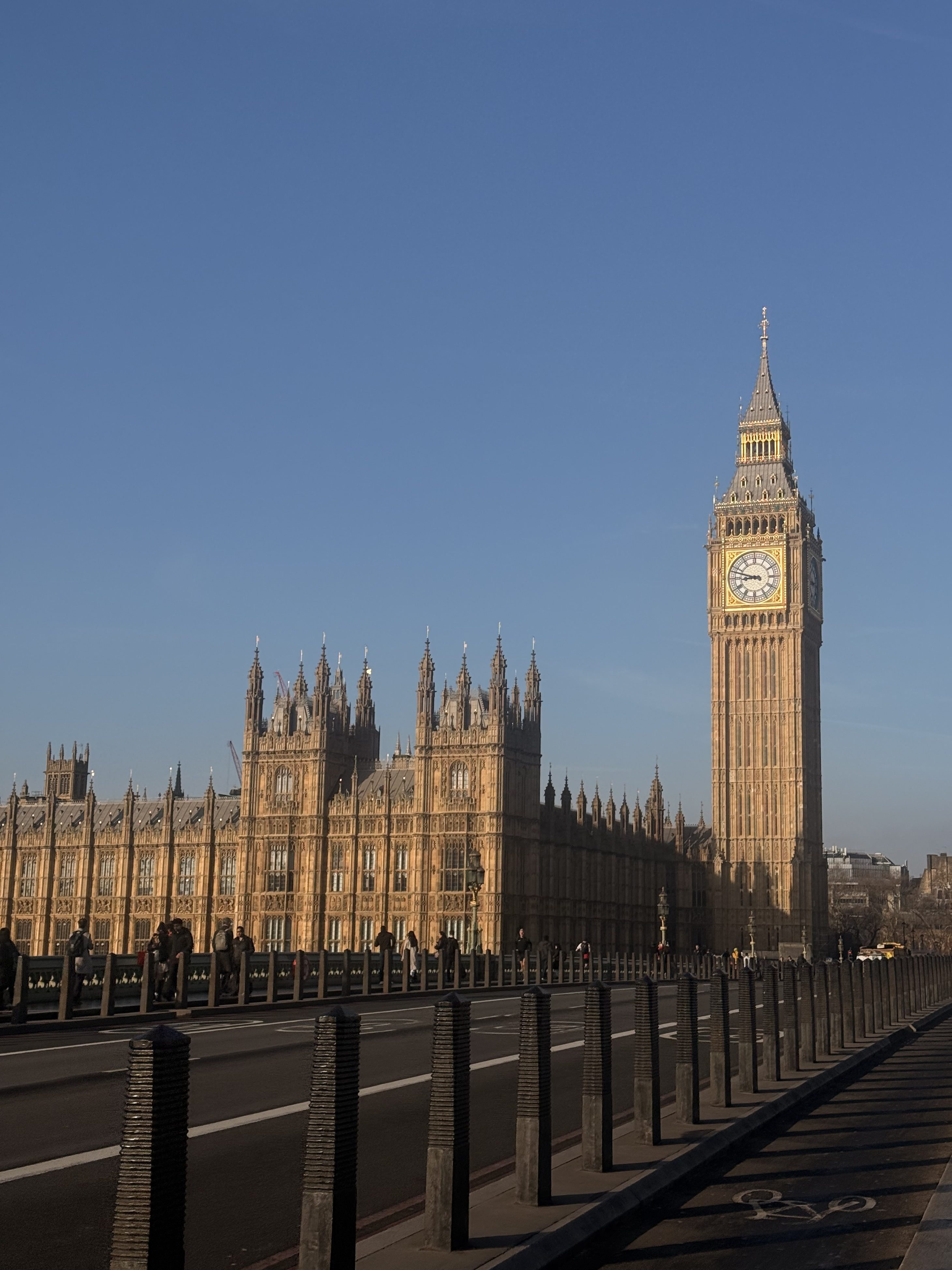
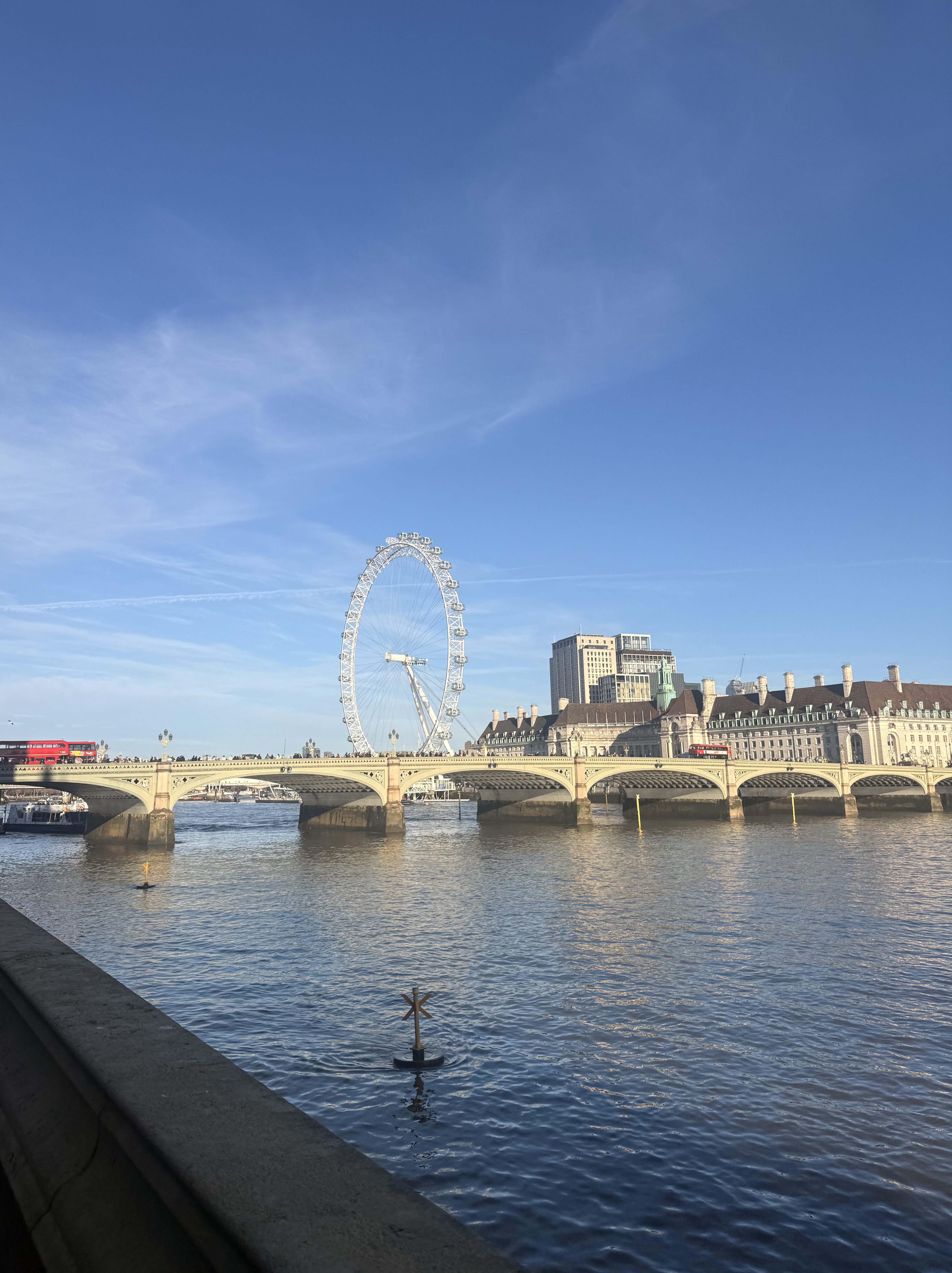
Pictures outside the Parliament

During your time there, you’re highly encouraged to make the most of being in such an amazing place by joining a Parliament tour, signing up to events in the Speaker’s House, going to the chamber for Prime Minister’s Questions (PMQs) or oral questions, attending the ‘All Parliamentary Party Group’ meetings, and so many other interesting things there are to do.  

At these events, it’s not uncommon to bump into politicians, public figures, and other fascinating people, which never failed to amaze me. Also, you can bring one or two guests into the Palace, which makes for great lunchtime catch-ups!  

Application process, tips and tricks

I believe the application process has changed slightly since I applied last year, but hopefully some of these tips are still relevant.  

The first step of the application was to fill in a document with many typical application questions, like “Tell me about a time you researched a completely new topic and how you did it”. My biggest recommendation for writing good answers to these is to follow the STAR method, focusing mainly on the Action and Result. This is what they are going to be most interested in: what exactly did you do, and what impact did it have?  

I also had to write a mock POSTnote. I spent some time identifying a topic that wasn’t already covered on the POST website but was currently relevant in political discussions. Reading one or two existing POSTnotes helped me get a feel for the tone and structure before writing my own briefing as clearly, impartially, and evidence-based as possible (the one on Public engagement with the energy transition could be a good start 🙂 ). A top tip to be impartial is to always state who said the point you’ve just made, i.e. “Researchers say…” or “The IPCC stated that…”. 

For the interview, roughly half of the questions focused on general competencies, while the rest was on the mock POSTnote. The emphasis wasn’t so much on the topic itself, but on your process. For example: 

  • How did you choose the topic? 
  • How did you organise your research and manage your time? 
  • How did you ensure impartiality? 

Caveats 

It’s worth noting that your experience may differ considerably depending on where you’re placed. 

Some fellows are based in Select Committees, where they engage more directly with science and policy by supporting scrutiny of government activity. Others are placed in the House of Commons Library, where they undertake work similar to POST but generally without the extensive interview process. 

One thing I would strongly recommend is attending in person as much as possible. This had a huge impact on my experience. Many of the most interesting opportunities arose spontaneously, and I was only able to take advantage of them because I happened to be in the office when someone mentioned them. Being physically present is one of the best ways to make the most of your time in Parliament. 
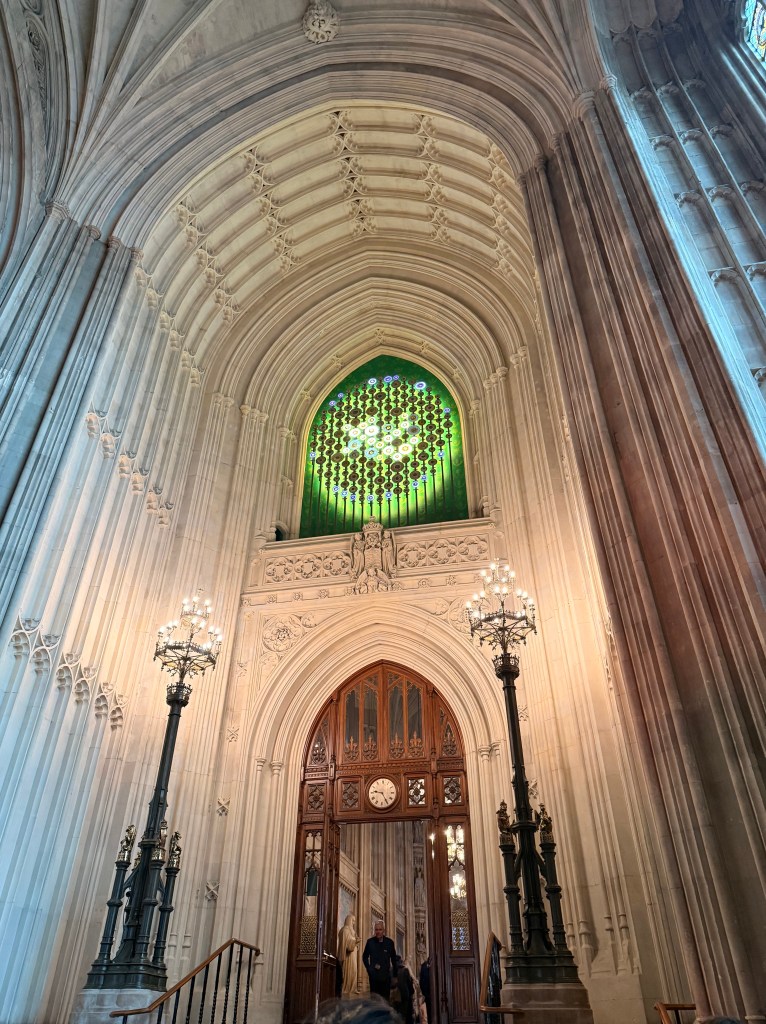
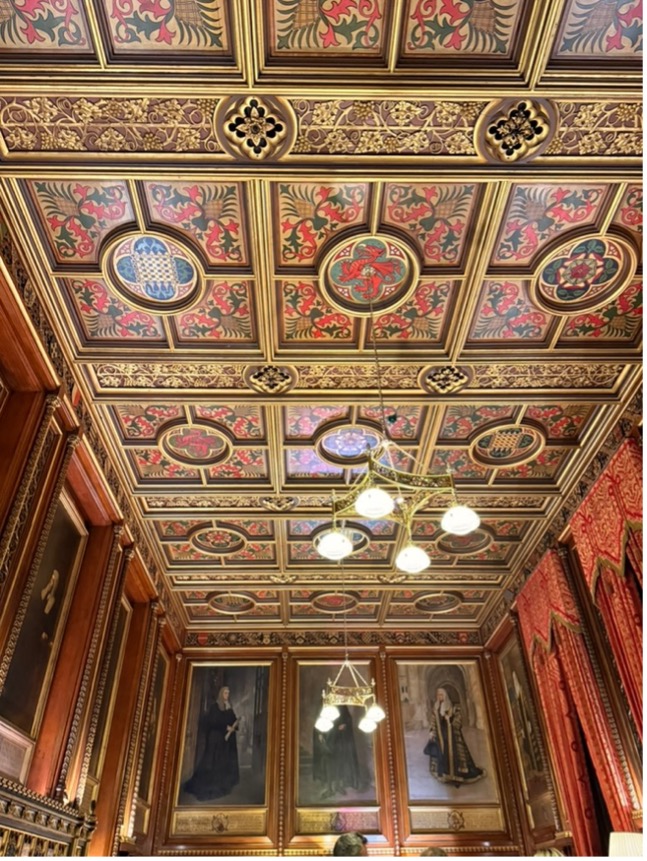
Pictures inside Parliament

Challenges and things to keep in mind

Although the experience was overwhelmingly positive, there are a few challenges worth highlighting.  

Firstly, I cannot stress enough how quickly the three months go! Deadlines can creep up surprisingly fast, making organisation and time management essential. Fortunately, because so many fellows have completed the programme before, there is an excellent Gantt chart and timeline available to help structure your work. I found this incredibly useful, although others preferred to develop their own systems.  

Another challenge is impartiality. When working for POST, you are expected to remain politically impartial both inside and outside the workplace, as you are effectively representing Parliament. This means thinking carefully before posting strongly partisan opinions on social media, for example.  

This can sometimes feel frustrating, particularly for scientists working in climate-related fields in the current political landscape. However, it is also an incredibly valuable skill that is difficult to develop elsewhere. I came to view it as an important learning experience rather than a limitation. 

Overall

To summarise, I would strongly encourage anyone with even a passing interest in policy, parliamentary processes, or science communication to apply for the fellowship. It’s a unique opportunity to learn how Parliament works while helping policymakers engage with emerging scientific issues. 

Feel free to email me as well if you have any questions; I would be very happy to answer.  

Starting Your PhD Journey: Tips for Success

So, you’ve officially embarked on the exciting journey that is a PhD—congrats! You’ve reached a major milestone, and whether you’re feeling excited, overwhelmed, or a mix of both, just know you’ve signed up for an adventure like no other. A PhD is an incredible opportunity to dive headfirst into a subject you’re passionate about, build a toolkit of valuable skills, and—who knows?—maybe even make history in your field.

But let’s be real: it’s not all rainbows and groundbreaking discoveries. The PhD life can be challenging, sometimes feeling like a marathon through an obstacle course. You’ll have moments that test your patience, confidence, and sometimes, your sanity. That’s why here at Social Metwork, we’ve gathered some golden advice from seasoned PhD students to help you navigate these waters. Our goal? To make this transition into PhD life a little smoother, maybe even a little fun.

We’ll break these tips down into three areas: navigating day-to-day life as a PhD student, getting organized like a pro, and growing into the great scholar you’re destined to be. Ready? Let’s dive in!

1. Navigating Day-to-day Life as a PhD Student

Work-life balance

The first year of your PhD can feel overwhelming as you try to juggle research, coursework, and life. One key piece of advice? Don’t overwork yourself. As Laura Risley puts it, “Sometimes if you’re struggling with work, an afternoon off is more useful than staying up late and not taking a break.” It’s easy to get absorbed in your work, but stepping away to recharge can actually help you return with fresh perspectives.

Getting involved in activities outside your PhD is another great way to maintain balance (L. Risley, 2024). Whether it’s exploring more of Reading, participating in a hobby, or just getting outside for some fresh air, your brain will thank you for the break. Remember, “Your PhD is important, but so is your health,” so make sure to take care of yourself and make time for things that bring you joy: exercise, good food, and sleep!

Lastly, don’t underestimate the power of routine. Building a consistent schedule can help bring some stability to PhD life. Most importantly, be kind to yourself. The weight of expectations can be heavy so give yourself permission to not have it all figured out yet. You won’t understand everything right away, and that’s completely normal!

Socialising and Building a Support System

Your cohort is your lifeline. The people you start with are going through the same experiences, and they will be your greatest support system. Whether you’re attending department events, organizing a BBQ, or just grabbing a coffee, socializing with your peers is a great way to get through everything. At the end of the day, we are all in this together! As Rhiannon Biddiscombe wisely says, “Go for coffee with people, go to Sappo, enjoy the pub crawls, waste a night out at PT, take part in the panto, spend time in the department in-person” — so make sure you get involved!

If what you want is to meet new people, you could even help organise social events, like research groups or casual hangouts – feeling connected within your department can make all the difference when you’re having a tough week. And hey, if you’re looking for a fun group activity, “Market House in town has darts boards, ping pong tables, and shuffleboard (you slide little discs to the end of the board, it’s good fun!)”.  

2. Getting Organised Like a Pro

Writing and Coding

Staying organised is critical for both your mental health and your research. Adam Gainford recommends you start by setting up a reference manager early on—trust us, you’ll thank yourself later. And if your research involves coding, learn version control tools like GitHub to keep your projects neat and manageable. As a fellow PhD student says “Keeping organised will help keep your future self sane (and it’s a good skill that will help you with employability and future group projects)”.

A golden rule for writing: write as you go. Don’t wait until the last minute to start putting your thoughts on paper. Whether it’s jotting down a few ideas, outlining a chapter, or even starting a draft, regular writing will save you from stress later on. Remember what Laura always says, “It’s never too early to start writing.”

Time Management

Managing your time as a PhD student is a balancing act. Plans will shift, deadlines will change, and real life will get in the way—it’s all part of the process. Instead of stressing over every slipped deadline, try to “go with the flow”. Your real deadlines are far down the road, and as long as you’re progressing steadily, you’re doing fine.

Being organised also doesn’t have to be complicated. Some find it helpful to create daily, weekly, or even monthly plans. Rhiannon recommends keeping a calendar is a great way to track meetings, seminars, and research group sessions – I myself could not agree more and find time-blocking is a great way to make sure everything gets done. Regarding your inbox, make sure you “stay on top of your emails but don’t look at them constantly. Set aside a few minutes a day to look at emails and sort them into folders, but don’t let them interrupt your work too much!”. Most importantly though, don’t forget to schedule breaks—even just five minutes of stepping away can help you reset (and of course, make sure you have some valuable holiday time off!).

3. Growing into the Scholar You’re Meant to Be

Asking for Help

This journey isn’t something you’re expected to do alone. Don’t be afraid to reach out for help from your friends, supervisors, or other PhD students. Asking questions is a sign of strength, not weakness. What’s great is that everyone has different backgrounds, and more often than not, someone will be able to help you navigate whatever you’re facing (trust me, as a geography graduate my office mates saved my life with atmospheric physics!). Whether you’re stuck on a tricky equation or need clarification on a concept, ask ask ask! 

“You’ve got a whole year to milk the ‘I’m a first year’ excuse, but in all seriousness, its never too late to ask when you’re unsure!” – a fellow PhD student.

Navigating Supervisor Meetings

Your supervisors are there to guide you, but communication is key. Be honest with them, especially when you’re struggling or need more support. If something doesn’t make sense, speak up—don’t nod along and hope for the best, “they should always have your back” (it will also be very embarrassing if you go along with it and are caught out with questions…). 

Also, “If you know some things you want to get out of your PhD, communicate that with your supervisors”. Open communication will help you build a stronger working relationship and ensure you get what you need from the process.

Dealing with Imposter Syndrome

Imposter syndrome can hit hard during a PhD, especially when you’re surrounded by brilliant people doing impressive work. But here’s the thing: don’t compare yourself to others. Everyone’s PhD is different—some projects lend themselves to quick results, while others take longer. Just because someone publishes early doesn’t mean your research is less valuable or that you’re behind – we are all on our own journeys. 

And remember, no one expects you to know everything right away. “There might be a pressure, knowing that you’ve been ‘handpicked’ for a project, that you should know things already; be able to learn things more quickly than you’re managing; be able to immediately understand what your supervisor is talking about when they bring up XYZ concept that they’ve been working on for 20+ years. In reality, no reasonable person expects you to know everything or even much at all yet. You were hand-picked for the project because of your potential to eventually become an independent researcher in your field – A PhD is simply training you for that, so you need to finish the PhD to finish that training.”

If you’d struggling with imposter syndrome, or want to learn about ways to deal with it, I highly recommend attending the imposter syndrome RRDP. 

A Few Final Words of Wisdom

The PhD rollercoaster is full of ups and downs, but remember, you’re doing fine. “If you’re supervisors are happy, then don’t worry! Everything works out in the end, even when it seems to not be working for a while! “– Laura Risley

It’s also super important to enjoy the process. You’ve chosen a topic you’re passionate about, and this is a rare opportunity to fully immerse yourself in it. Take advantage of that! Don’t shy away from opportunities to share your work. Whether it’s giving a talk, presenting a poster (or writing for the Social Metwork blog!!), practice makes perfect when it comes to communicating your research.

Embarking on a PhD is no small feat, but hopefully with these tips, you’ll have the tools to manage the challenges and enjoy the ride. And if all else fails, remember the most important advice of all: “Vote in the Big Biscuit Bracket—it’s the most important part of being a PhD student!”. 

From the department’s PhDs students to you! 

Written by Juan Garcia Valencia