This week the Royal Meteorological Society (RMetS) published their strategic plan for the period of 2018 to 2020, and here at Social Metwork HQ we thought it would be a splendid idea to reflect on the benefits of being a student member of the Royal Meteorological Society.
An important benefit in my opinion is that when becoming a member of RMetS you join a well-established community who hold enthusiasm about the weather and climate at its core. Members come from all corners of the world and at different stages of their career spanning the entire range: from the amateur weather enthusiasts to professionals.  As a student, being an RMetS member can lead to conversations that could develop your career and bring unexpected opportunities. This has been greatly enhanced with the RMetS mentoring scheme.
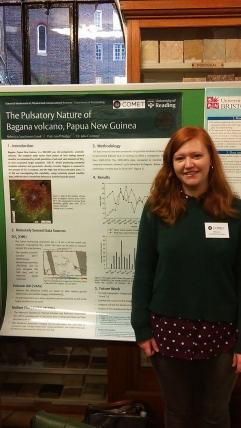
RMetS host many different types of meetings, including annual conferences, meetings hosted by regional centres, and national meetings. Additional gatherings are held by special interest groups, ranging from Weather Arts & Music to Dynamical Problems. Meetings on a regional and national scale provide a platform for discussion and learning amongst those in the field.  For a student, the highlight in the RMetS calendar is the annual student conference. Every year, sixty to eighty students come together to present their work and develop professional relationships that continue for years to come. This year’s conference is hosted at the University of York on the 5th and 6th July 2018 (more information). After two student conferences under my belt (see previous blog post), I would highly recommend any early career research scientist attending this event. It serves as a platform to share their own work in a friendly atmosphere and be inspired by the wider student community.
 Other benefits to becoming an RMetS student member include eligibility to the Legacies Fund, grants and fellowships, and receiving a monthly copy of Weather magazine. Most importantly though, through becoming a RMetS member you support a professional society who are committed to increasing awareness of the importance of weather and climate in policy and decision-making. Alongside this week’s publication of RMetS’ strategic plan, both the Met Office and NASA have published press releases stating that 2017 was the warmest year on record without El Niño. The atmosphere and oceans of our planet are changing at unprecedented rates: rising sea levels, reductions in Arctic sea-ice, and an increased frequency of extreme weather events to name but a few climate change impacts. Becoming an RMetS student member does not only benefit your career and knowledge, but also supports a society that is committed to promoting and raising awareness of weather and climate science.



 The Social Metwork