The Secret “Glow” of Thirsty Plants: How Satellites are Learning to Spot Drought Before It Happens

By Khomkrit (Guy) Onkaew – k.onkaew@pgr.reading.ac.uk

If you look out at a cornfield or a dense forest, you see green. That’s chlorophyll, the pigment plants use to turn sunlight into energy. But there is something else happening in those leaves that the human eye completely misses. While they are basking in the sun, plants are also glowing.

During photosynthesis, plants absorb sunlight to create food. However, they don’t use 100% of the light they take in. A small fraction of that unused solar energy is re-emitted by the plant as a faint, reddish glow. This phenomenon is called Solar-Induced Chlorophyll Fluorescence, or SIF.

Left: Plant under daylight (535 nm). Right: Plant under UV light (365 nm), showing the reddish glow. (image source: https://www.exoticaesoterica.com/magazine/plantuvfluorescence)

Think of SIF as the “heartbeat” of a plant’s metabolism. When a plant is healthy and photosynthesising vigorously, this glow follows a regular pattern. But when a plant gets stressed — perhaps it’s too hot, or it hasn’t rained in weeks — that heartbeat changes.

For years, scientists have used special satellites to measure this glow from space to estimate how well vegetation is growing. Ideally, this glow would tell us exactly how productive the plants are. But there is a catch: a plant’s glow isn’t just determined by how much sun it gets; it is also determined by its “efficiency” in using that light.

This brings us to a question: What happens to that efficiency when the soil dries out?

Imagine you kink a garden hose: as you restrict the water, the flow changes. Similarly, when plants run out of water in the soil, they close their stomata — tiny pores on their leaves — to save moisture. This shuts down photosynthesis. The plant then has to deal with all that incoming sunlight that it can no longer use. To protect itself, the plant dissipates that excess energy as heat, which causes the fluorescence glow to dim or change in efficiency.

In other words, this means that long before a crop turns yellow and dies from drought, its glow changes. If we can understand the relationship between soil moisture and glow, we could potentially predict crop failures and droughts much earlier than we can by just looking at how green the plants are.

Decoding the Signal: A New Study on Africa’s Ecosystems

This is where our study steps in. We focused on the African continent to solve a specific puzzle: How does soil moisture stress change the fluorescence efficiency of plants?

Africa offers the perfect laboratory for this question because it holds almost every type of ecosystem imaginable, from the bone-dry Sahara and the semi-arid savannas to the lush Congo rainforest. We combined satellite data from The TROPOspheric Monitoring Instrument TROPOMI, which measures the SIF glow, with a sophisticated land model, the Joint UK Land Environment Simulator (JULES), which estimates soil moisture deep in the ground.

We tested two different models to see which one better predicted the actual glow observed by satellites:

1. The Baseline Model: Assumed the glow depends only on the light the plant absorbs.

2. The Soil Moisture Model: Assumed the glow is influenced by both the light absorbed and how wet the soil is.

African Plants’ Thirst Strategies

Our study produced some fascinating results regarding how different plants handle thirst. We found that fluorescence efficiency is not one-size-fits-all; it depends entirely on the plant’s “lifestyle”.

1. The “Panickers”: Croplands and Grasslands
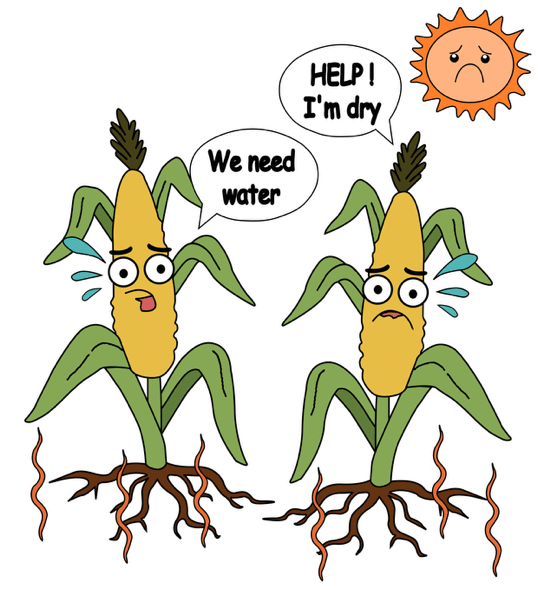
We discovered that croplands and grasslands are the “drama queens” of the plant world; they easily panic as soon as the soil dries. These plants show the strongest reaction to soil moisture. When the topsoil dries out, their efficiency plummets; when the soil is wet, their efficiency spikes. This makes sense because crops like maize usually have shallow roots. They live and die by the moisture in the top layer of dirt, making them incredibly sensitive monitors for agricultural drought.

2. The “Resilient”: Evergreen Forests

On the other hand, evergreen forests (like those in the Congo basin) were surprisingly indifferent. Their fluorescence efficiency barely changed even when soil moisture levels changed. Why? These trees have deep, complex root systems that can tap into groundwater reserves far below the surface. They don’t panic when the topsoil gets dry because they have a backup water supply.

3. The “Balancers”: Savannas and Shrublands

Moreover, we found that plants in semi-arid regions like the Sahel have evolved to be adaptive. They ramp up their efficiency quickly at the first sign of rain, but don’t waste extra energy once they have “enough” water.

The Map of Improvement

We found that adding soil moisture data to these models significantly improved their ability to simulate the plant glow in semi-arid regions, such as the Sahel and Southern Africa (the blue area in Figure C). In these water-limited environments, you cannot understand the plant’s light signal without understanding the water in the soil.

However, the study also highlighted where the models fail. In wetlands such as the Okavango Delta and the Sudd Swamp (Locations 5 and 6 in Figure C, respectively), adding soil moisture data worsened the model or yielded no improvement. This is likely because satellite models struggle to understand complex water systems where water flows horizontally or sits just below the surface, keeping plants happy even when the model thinks they should be dry.
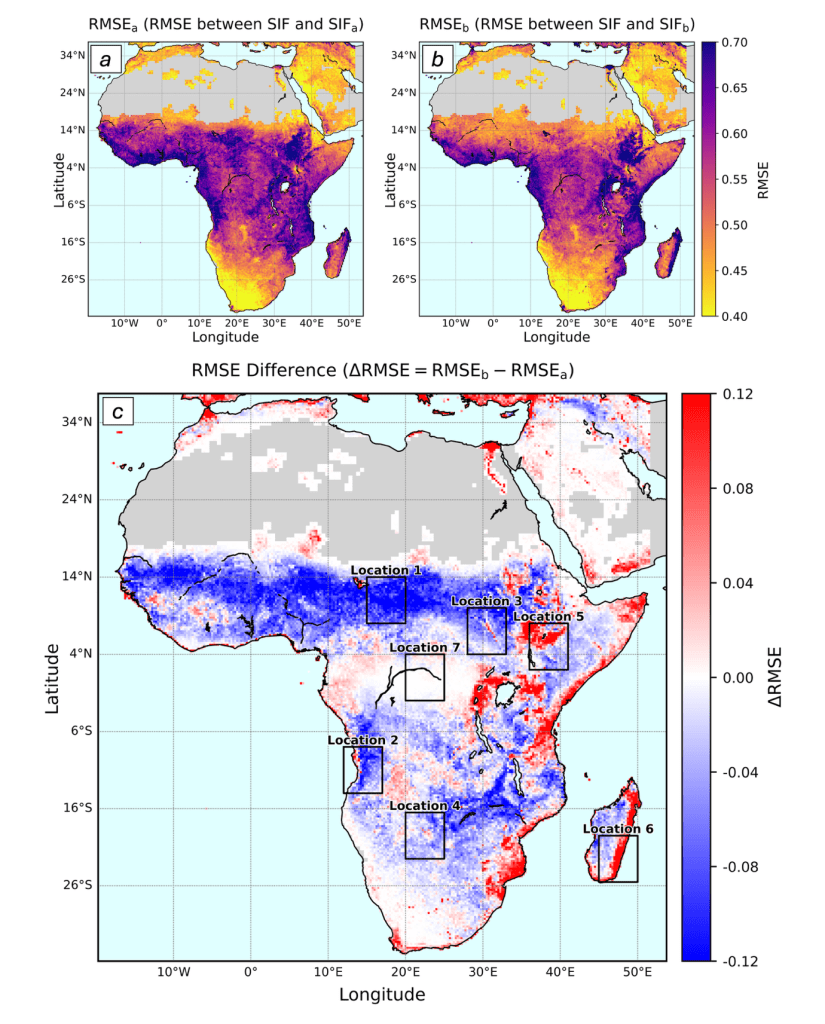
Spatial distribution maps of RMSE for two SIF simulation models across Africa. (a) RMSE between observed SIF and the Baseline Model (SIFa), which does not include soil moisture availability (β). (b) RMSE between observed SIF and the Soil Moisture Model (SIFb), which includes β. (c) RMSE difference (ΔRMSE = RMSEb − RMSEa). Blue regions (ΔRMSE < 0) indicate areas where including β improves model performance (Model 2 outperforms), while red areas (ΔRMSE > 0) show regions where including β worsens the fit. Grey areas indicate missing data.

The Takeaway

This research is a step toward “context-dependent” monitoring. We can’t just look at a satellite image and apply a single rule to the whole planet. To truly monitor the health of our food systems and forests from space, we have to treat a shallow-rooted cornfield in a semi-arid zone differently from a deep-rooted tree in a tropical forest. By linking the “glow” of the plants to the water in the soil, we are getting closer to a real-time health check for the Earth’s vegetation.

More details from the paper: https://doi.org/10.1080/01431161.2026.2618097

Trouble in paradise: Climate change, extreme weather and wildlife conservation on a tropical island.

Joseph Taylor, NERC SCEARNIO DTP student. Zoological Society of London.

Email: J.Taylor5@pgr.reading.ac.uk

Projecting the impacts of climate change on biodiversity is important for informing

Mauritius Kestrel by Joe Taylor
Male Mauritius kestrel (Falco punctatus) in the Bambous Mountains, eastern Mauritius. Photo by Joe Taylor.

mitigation and adaptation strategies. There are many studies that project climate change impacts on biodiversity; however, changes in the occurrence of extreme weather events are often omitted, usually because of insufficient understanding of their ecological impacts. Yet, changes in the frequency and intensity of extreme weather events may pose a greater threat to ecosystems than changes in average weather regimes (Jentsch and Beierkuhnlein 2008). Island species are expected to be particularly vulnerable to climate change pressures, owing to their inherently limited distribution, population size and genetic diversity, and because of existing impacts from human activities, including habitat destruction and the introduction of non-native species (e.g. Fordham and Brook 2010).

Mauritius is an icon both of species extinction and the successful recovery of threatened species. However, the achievements made through dedicated conservation work and the investment of substantial resources may be jeopardised by future climate change. Conservation programmes in Mauritius have involved the collection of extensive data on individual animals, creating detailed longitudinal datasets. These provide the opportunity to conduct in-depth analyses into the factors that drive population trends.

My study focuses on the demographic impacts of weather conditions, including extreme events, on three globally threatened bird species that are endemic to Mauritius. I extended previous research into weather impacts on the Mauritius kestrel (Falco punctatus), and applied similar methods to the echo parakeet (Psittacula eques) and Mauritius fody (Foudia rubra). The kestrel and parakeet were both nearly lost entirely in the 1970s and 1980s respectively, having suffered severe population bottlenecks, but all three species have benefitted from successful recovery programmes. I analysed breeding success using generalised linear mixed models and analysed survival probability using capture-mark-recapture models. Established weather indices were adapted for use in this study, including indices to quantify extreme rainfall, droughts and tropical cyclone activity. Trends in weather indices at key conservation sites were also analysed.

The results for the Mauritius kestrel add to a body of evidence showing that precipitation is an important limiting factor in its demography and population dynamics. The focal population in the Bambous Mountains of eastern Mauritius occupies an area in which rainfall is increasing. This trend could have implications for the population, as my analyses provide evidence that heavy rainfall during the brood phase of nests reduces breeding success, and that prolonged spells of rain in the cyclone season negatively impact the survival of juveniles. This probably occurs through reductions in hunting efficiency, time available for hunting and prey availability, so that kestrels are unable to capture enough prey to sustain themselves and feed their young (Nicoll et al. 2003, Senapathi et al. 2011). Exposure to heavy and prolonged rainfall could also be a direct cause of mortality through hypothermia, especially for chicks if nests are flooded (Senapathi et al. 2011). Future management of this species may need to incorporate strategies to mitigate the impacts of increasing rainfall.

References:

Fordham, D. A. and Brook, B. W. (2010) Why tropical island endemics are acutely susceptible to global change. Biodiversity and Conservation 19(2): 329‒342.

Jentsch, A. and Beierkuhnlein, C. (2008) Research frontiers in climate change: Effects of extreme meteorological events on ecosystems. Comptes Rendus Geoscience 340: 621‒628.

Nicoll, M. A. C., Jones, C. G. and Norris, K. (2003) Declining survival rates in a reintroduced population of the Mauritius kestrel: evidence for non-linear density dependence and environmental stochasticity. Journal of Animal Ecology 72: 917‒926.

Senapathi, D., Nicoll, M. A. C., Teplitsky, C., Jones, C. G. and Norris, K. (2011) Climate change and the risks associated with delayed breeding in a tropical wild bird population. Proceedings of the Royal Society B 278: 3184‒3190.

4th ICOS Summer School

Email: R.Braghiere@pgr.reading.ac.uk

The 4th ICOS Summer School on challenges in greenhouse gases measurements and modelling was held at Hyytiälä field station in Finland from 24th May to 2nd June, 2017. It was an amazing week of ecosystem fluxes and measurements, atmospheric composition with in situ and remote sensing measurements, global climate modelling and carbon cycle, atmospheric transport and chemistry, and data management and cloud (‘big data’) methods. We also spent some time in the extremely hot Finnish sauna followed by jumps into a very cold lake, and many highly enjoyable evenings by the fire with sunsets that seemed to never come.

sunset_Martijn Pallandt
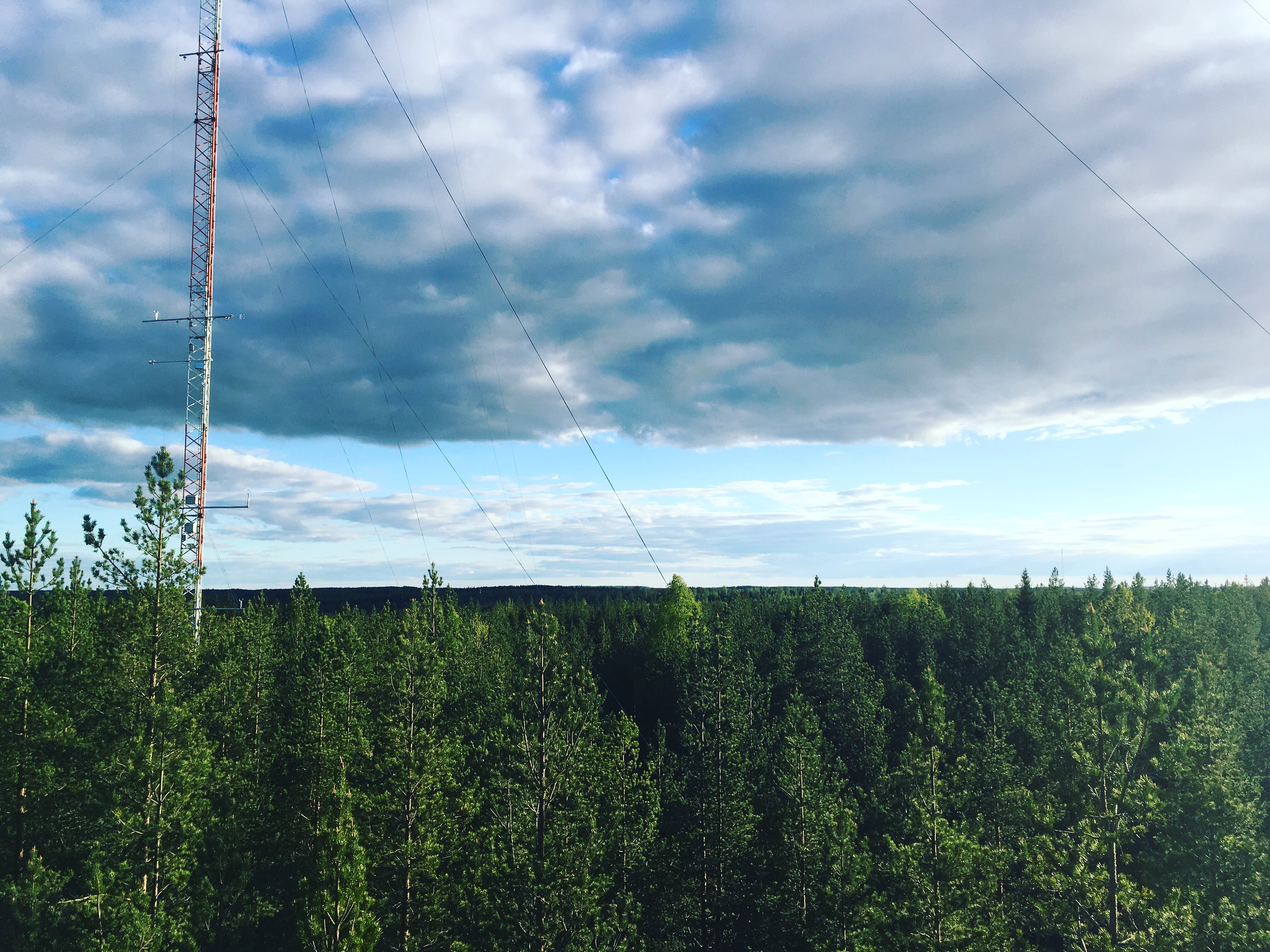
Figure 1. Sunset in Hyytiälä, Finland at 22:49 local time. Credits: Martijn Pallandt

Our journey started in Helsinki, where a group of about 35 PhD students, with a number of postdocs and master students took a 3 hours coach trip to Hyytiälä.  The group was very diverse and international with people from different backgrounds; from plant physiologists to meteorologists. The school started with Prof. Dr. Martin Heimann  introducing us to the climate system and the global carbon cycle, and Dr. Alex Vermeulen highlighted the importance of good metadata practices and showed us more about ICOS research infrastructure. Dr. Christoph Gerbig joined us via Skype from Germany and talked about how atmospheric measurements methods with aircrafts (including how private air companies) can help scientists.

Hyytiala_main_tower_truls_Andersen_2
Figure 2. Hyytiälä flux tower site, Finland. Credits: Truls Andersen

On Saturday we visited the Hyytiälä flux tower site, as well as a peatland field station nearby, where we learned more about all the flux data they collect and the importance of peatlands globally. Peatlands store significant amounts of carbon that have been accumulating for millennia and they might have a strong response to climate change in the future. On Sunday, we were divided in two groups to collect data on temperature gradients from the lake to the Hyytiälä main flux tower, as well as on carbon fluxes with dark (respiration only) and transparent (photosynthesis + respiration) CO2 chambers.

chamber_measurements_renato
Figure 3: Dark chamber for CO2 measurements being used by a group of students in the Boreal forest. Credits: Renato Braghiere

On the following day it was time to play with some atmospheric modelling with Dr. Maarten Krol and Dr. Wouter Peters. We prepared presentations with our observation and modelling results and shared our findings and experiences with the new data sets.

The last two days have focused on learning how to measure ecosystem fluxes with Prof. Dr. Timo Vesala, and insights on COS measurements and applications with Dr. Kadmiel Maseyk. Timo also shared with us his passion for cinema with a brilliant talk entitled “From Vertigo to Blue Velvet: Connotations between Movies and Climate change” and we watched a really nice Finnish movie “The Happiest Day in the Life of Olli Mäki“.

4th_icos_summer_school_group_photo
Figure 4: 4th ICOS Summer School on Challenges in greenhouse gases measurements and modelling group photo. Credits: Wouter Peters

Lastly, it was a fantastic week where we were introduced to several topics and methods related to the global carbon budget and how it might impact the future climate. No doubt all information gained in this Summer School will be highly valuable for our careers and how we do science. A massive ‘cheers’ to Olli Peltola, Alex Vermeulen, Martin Heimann, Christoph Gerbig, Greet Maenhout, Wouter Peters, Maarten Krol, Anders Lindroth , Kadmiel Maseyk, Timo Vesala, and all the staff at the Hyytiälä field station.

This post only scratches the surface of all of the incredible material we were able to cover in the 4th ICOS Summer School, not to mention the amazing group of scientists that we met in Finland, who I really look forward to keeping in touch over the course of the years!


The impact of vegetation structure on global photosynthesis

Email: R.Braghiere@pgr.reading.ac.uk

Twitter: @renatobraghiere

The partitioning of shortwave radiation by vegetation into absorbed, reflected, and transmitted terms is important for most biogeophysical processes including photosynthesis. The most commonly used radiative transfer scheme in climate models does not explicitly account for vegetation architectural effects on shortwave radiation partitioning, and even though detailed 3D radiative transfer schemes have been developed, they are often too computationally expensive and require a large number of parameters.

Using a simple parameterisation, we modified a 1D radiative transfer scheme to simulate the radiative balance consistently with 3D representations. Canopy structure is typically treated via a so called “clumping” factor which acts to reduce the effective leaf area index (LAI) and hence fAPAR (fraction of absorbed photosynthetically radiation, 400-700 nm). Consequently from a production efficiency standpoint it seems intuitive that any consideration of clumping can only lead to reduce GPP (Gross Primary Productivity).  We show, to the contrary, that the dominant effect of clumping in more complex models should be to increase photosynthesis on global scales.

difference_gpp_clump_default_jules
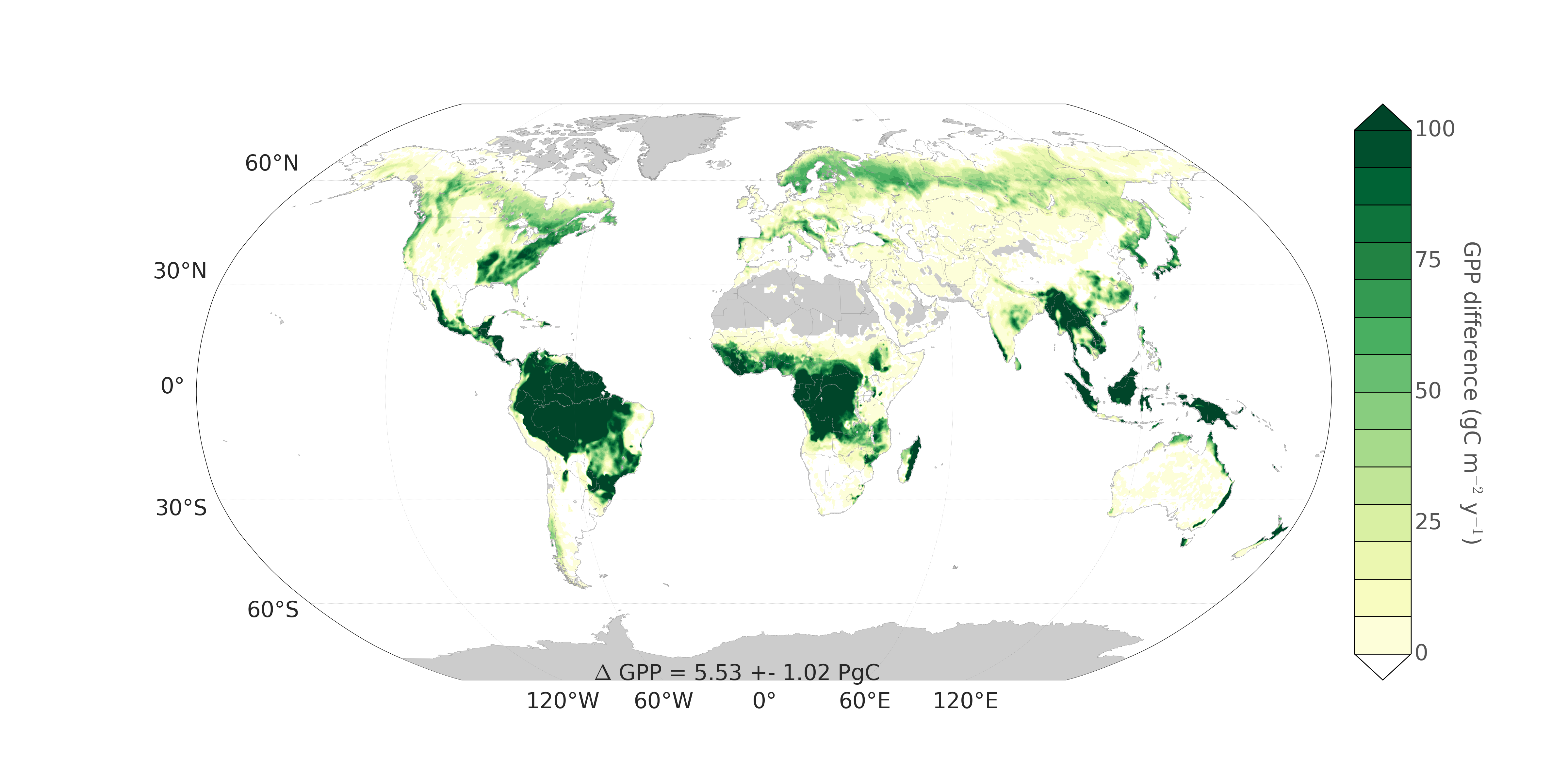
Figure 1. Difference in GPP estimated by JULES including clumping and default JULES GL4.0. Global difference is 5.5 PgC.

The Joint UK Land Environment Simulator (JULES) has recently been modified to include clumping information on a per-plant functional type (PFT) basis (Williams et al., 2017). Here we further modify JULES to read in clumping for each PFT in each grid cell independently. We used a global clumping map derived from MODIS data (He et al., 2012) and ran JULES 4.6 for the year 2008 both with and without clumping using the GL4.0 configuration forced with the WATCH-Forcing-Data-ERA-Interim data set (Weedon et al., 2014). We compare our results against the MTE (Model Tree Ensemble) GPP global data set (Beer et al., 2010).

erro_bar_boxes_v2
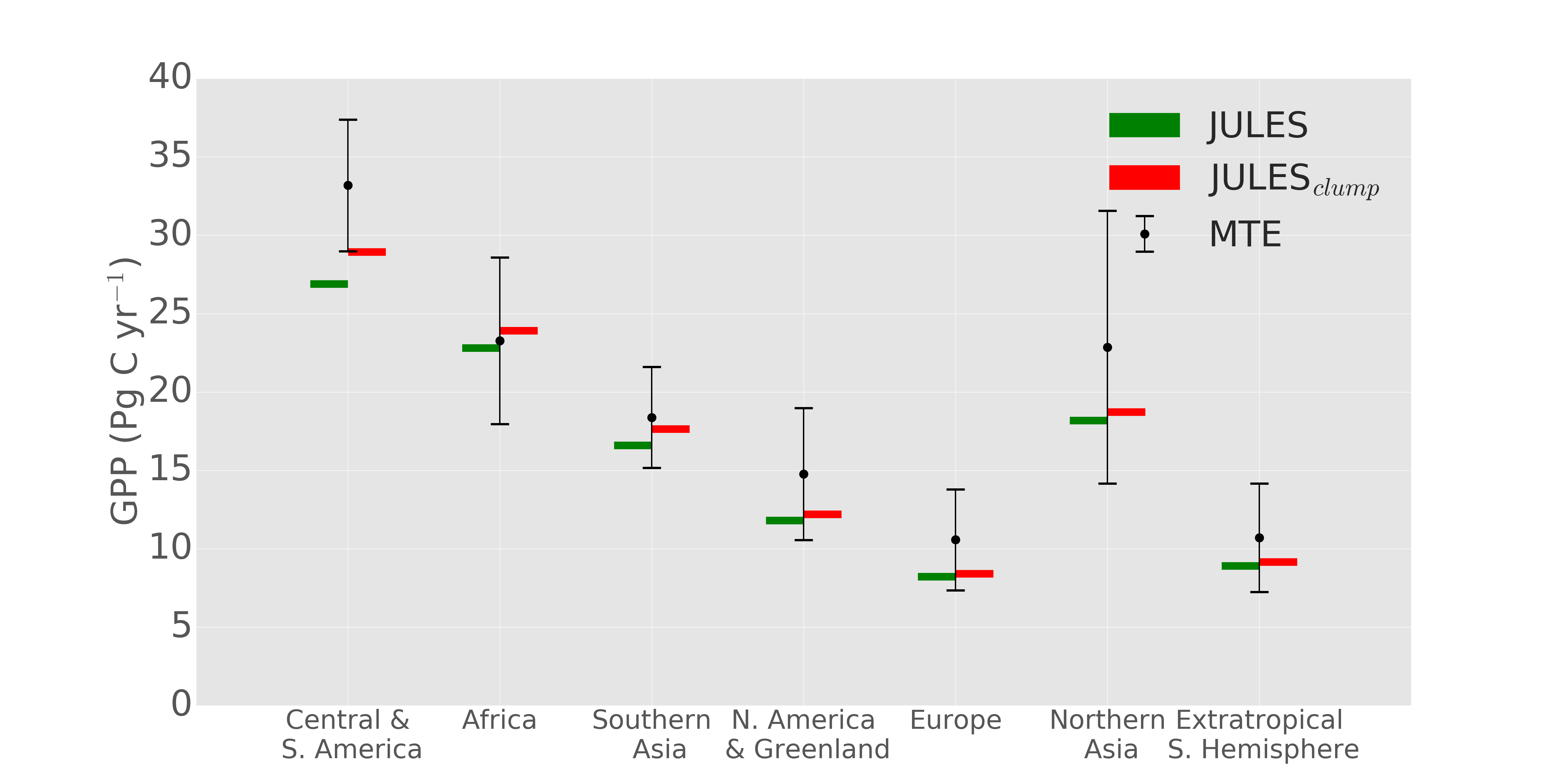
Figure 2. Regionally averaged GPP compared to the MTE GPP data set. In all areas except Africa there is an overall improvement.

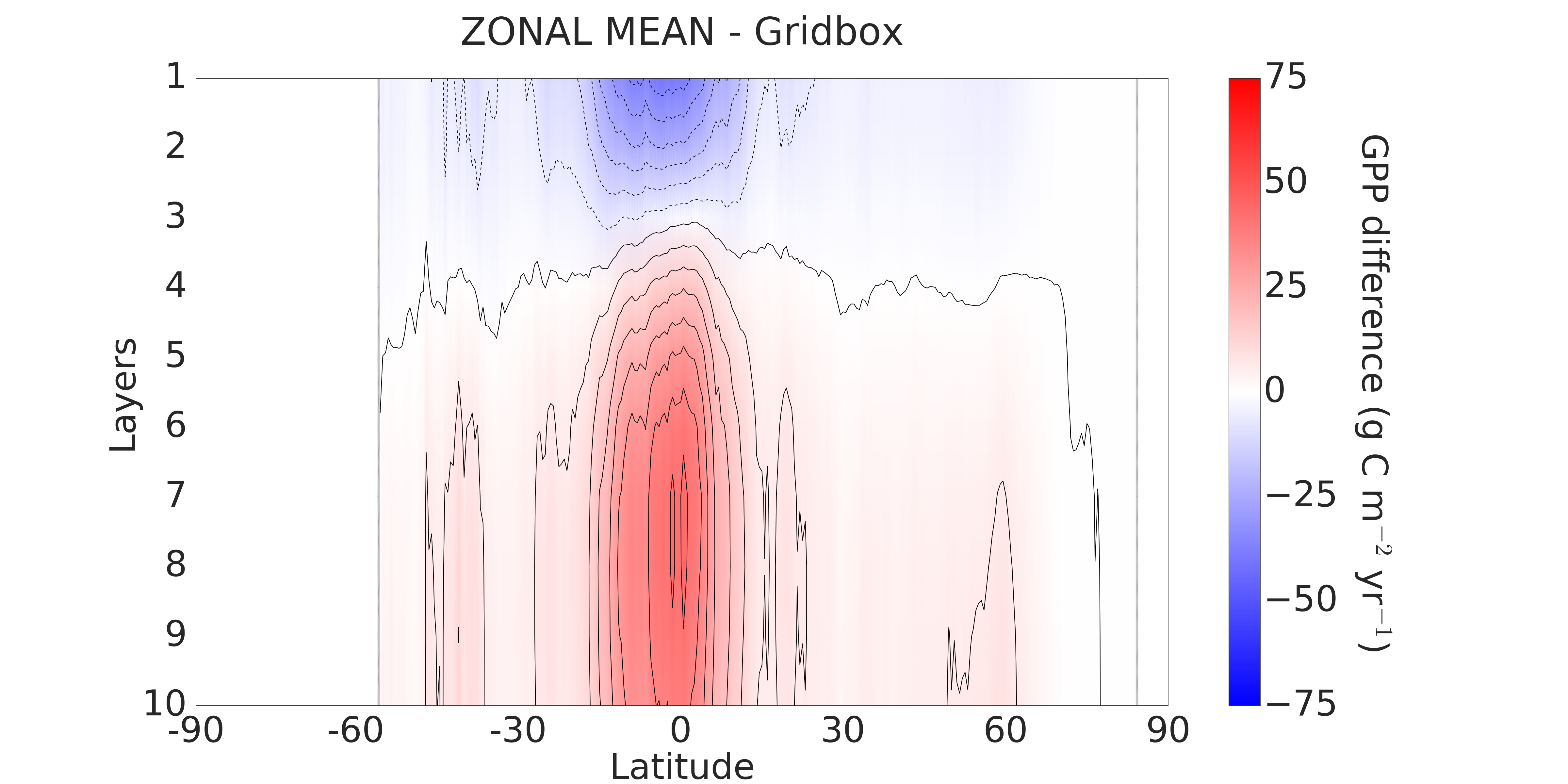
Fig. 1 shows an almost ubiquitous increase in GPP globally when clumping is included in JULES. In general this improves agreement against the MTE data set (Fig. 2). Spatially the only significant areas where the performance is degraded are some tropical grasslands and savannas (not shown). This is likely due to other model problems, in particular the limited number of PFTs used to represent all vegetation globally. The explanation for the increase in GPP and its spatial pattern is shown in Fig 3. JULES uses a multi-layered canopy scheme coupled to the Farquhar photosynthesis scheme (Farquhar et al., 1980). Changing fAPAR (by including clumping in this case) has largest impacts where GPP is light limited, and this is especially true in tropical forests.

gpp_vertical_anomaly_zonal_mean_Opt5_gridbox
Figure 3. Difference in longitudinally averaged GPP as a function of depth in the canopy. Clumping allows greater light penetration to lower canopy layers in which photosynthesis is light limited.


References

Beer, C. et al. 2010. Terrestrial gross carbon dioxide uptake: global distribution and covariation with climate. Science329(5993), pp.834-838.

Farquhar, G.D. et al. 1980. A biochemical model of photosynthetic CO2 assimilation in leaves of C3 species. Planta, 149, 78–90.

He, L. et al. 2012. Global clumping index map derived from the MODIS BRDF product. Remote Sensing of Environment119, pp.118-130.

Weedon, G. P. et al. 2014. The WFDEI meteorological forcing data set: WATCH Forcing Data methodology applied to ERA-Interim reanalysis data, Water Resour. Res., 50, 7505–7514.

Williams, K. et al. 2017. Evaluation of JULES-crop performance against site observations of irrigated maize from Mead, Nebraska. Geoscientific Model Development10(3), pp.1291-1320.

Tales from the Alice Holt forest: carbon fluxes, data assimilation and fieldwork

Email: ewan.pinnington@gmail.com

Forests play an important role in the global carbon cycle, removing large amounts of CO2 from the atmosphere and thus helping to mitigate the effect of human-induced climate change. The state of the global carbon cycle in the IPCC AR5 suggests that the land surface is the most uncertain component of the global carbon cycle. The response of ecosystem carbon uptake to land use change and disturbance (e.g. fire, felling, insect outbreak) is a large component of this uncertainty. Additionally, there is much disagreement on whether forests and terrestrial ecosystems will continue to remove the same proportion of CO2 from the atmosphere under future climate regimes. It is therefore important to improve our understanding of ecosystem carbon cycle processes in the context of a changing climate.

Here we focus on the effect on ecosystem carbon dynamics of disturbance from selective felling (thinning) at the Alice Holt research forest in Hampshire, UK. Thinning is a management practice used to improve ecosystem services or the quality of a final tree crop and is globally widespread. At Alice Holt a program of thinning was carried out in 2014 where one side of the forest was thinned and the other side left unmanaged. During thinning approximately 46% of trees were removed from the area of interest.

flux_me
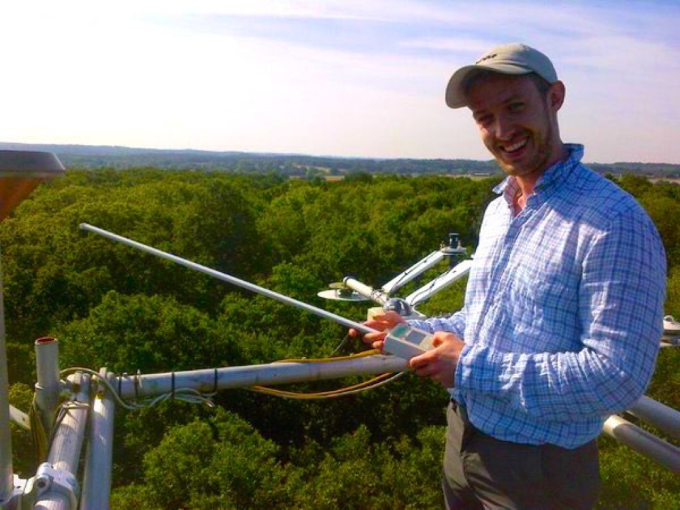
Figure 1: At the top of Alice Holt flux tower.

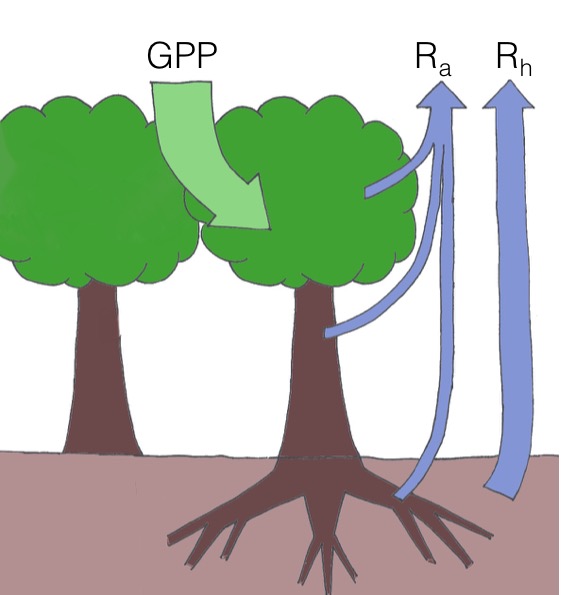
Using the technique of eddy-covariance at flux tower sites we can produce direct measurements of the carbon fluxes in a forest ecosystem. The flux tower at Alice Holt has been producing measurements since 1999 (Wilkinson et al., 2012), a view from the flux tower is shown in Figure 1. These measurements represent the Net Ecosystem Exchange of CO2 (NEE). The NEE is composed of both photosynthesis and respiration fluxes. The total amount of carbon removed from the atmosphere through photosynthesis is termed the Gross Primary Productivity (GPP). The Total Ecosystem Respiration (TER) is made up of autotrophic respiration (Ra) from plants and heterotrophic respiration (Rh) from soil microbes and other organisms incapable of photosynthesis. We then have, NEE = -GPP + TER, so that a negative NEE value represents removal of carbon from the atmosphere and a positive NEE value represents an input of carbon to the atmosphere. A schematic of these fluxes is shown in Figure 2.

forest_fluxes
Figure 2: Fluxes of carbon around a forest ecosystem.

The flux tower at Alice Holt is on the boundary between the thinned and unthinned forest. This allows us to partition the NEE observations between the two areas of forest using a flux footprint model (Wilkinson et al., 2016). We also conducted an extensive fieldwork campaign in 2015 to estimate the difference in structure between the thinned and unthinned forest. However, these observations are not enough alone to understand the effect of disturbance. We therefore also use mathematical models describing the carbon balance of our ecosystem, here we use the DALEC2 model of ecosystem carbon balance (Bloom and Williams, 2015). In order to find the best estimate for our system we use the mathematical technique of data assimilation in order to combine all our available observations with our prior model predictions. More infomation on the novel data assimilation techniques developed can be found in Pinnington et al., 2016. These techniques allow us to find two distinct parameter sets for the DALEC2 model corresponding to the thinned and unthinned forest. We can then inspect the model output for both areas of forest and attempt to further understand the effect of selective felling on ecosystem carbon dynamics.

fluxes
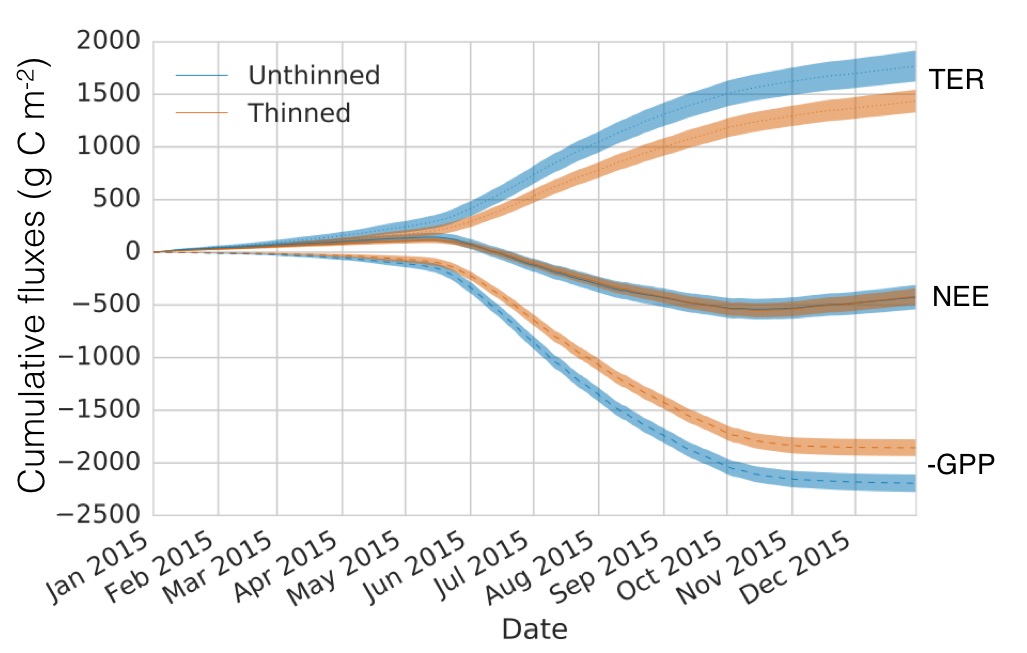
Figure 3: Model predicted cumulative fluxes for 2015 after data assimilatiom. Solid line: NEE, dotted line: TER, dashed line: GPP. Orange: model prediction for thinned forest, blue: model prediction for unthinned forest. Shaded region: model uncertainty after assimilation (± 1 standard deviation).

In Figure 3 we show the cumulative fluxes for both the thinned and unthinned forest after disturbance in 2015. We would probably assume that removing 46% of the trees from the thinned section would reduce the amount of carbon uptake in comparison to the unthinned section. However, we can see that both forests removed a total of approximately 425 g C m-2 in 2015, despite the thinned forest having 46% of its trees removed in the previous year. From our best modelled predictions this unchanged carbon uptake is possible due to significant reductions in TER. So, even though the thinned forest has lower GPP, its net carbon uptake is similar to the unthinned forest. Our model suggests that GPP is a main driver for TER, therefore removing a large amount of trees has significantly reduced ecosystem respiration. This result is supported by other ecological studies (Heinemeyer et al., 2012, Högberg et al., 2001, Janssens et al., 2001). This has implications for future predictions of land surface carbon uptake and whether forests will continue to sequester atmospheric CO2 at similar rates, or if they will be limited by increased GPP leading to increased respiration.

References

Wilkinson, M. et al., 2012: Inter-annual variation of carbon uptake by a plantation oak woodland in south-eastern England. Biogeosciences, 9 (12), 5373–5389.

Wilkinson, M., et al., 2016: Effects of management thinning on CO2 exchange by a plantation oak woodland in south-eastern England. Biogeosciences, 13 (8), 2367–2378, doi: 10.5194/bg-13-2367-2016.

Bloom, A. A. and M. Williams, 2015: Constraining ecosystem carbon dynamics in a data-limited world: integrating ecological “common sense” in a model data fusion framework. Biogeosciences, 12 (5), 1299–1315, doi: 10.5194/bg-12-1299-2015.

Pinnington, E. M., et al., 2016: Investigating the role of prior and observation error correlations in improving a model forecast of forest carbon balance using four-dimensional variational data assimilation. Agricultural and Forest Meteorology, 228229, 299 – 314, doi: http://dx.doi.org/10.1016/j.agrformet.2016.07.006.

Heinemeyer, A., et al., 2012: Exploring the “overflow tap” theory: linking forest soil co2 fluxes and individual mycorrhizo- sphere components to photosynthesis. Biogeosciences, 9 (1), 79–95.

Högberg, P., et al., 2001: Large-scale forest girdling shows that current photosynthesis drives soil respiration. Nature, 411 (6839), 789–792.

Janssens, I. A., et al., 2001: Productivity overshadows temperature in determining soil and ecosystem respiration across european forests. Global Change Biology, 7 (3), 269–278, doi: 10.1046/j.1365-2486.2001.00412.x.

Continue reading