The importance of anticyclonic synoptic eddies for atmospheric block persistence and forecasts

Charlie Suitters – c.c.suitters@pgr.reading.ac.uk

The Beast from the East, the record-breaking winter warmth of February 2020, the Canadian heat dome of 2022…what do these three events have in common? Well, many things I’m sure, but most relevantly for this blog post is that they all coincided with the same phenomenon – atmospheric blocking.

So what exactly is a block? An atmospheric block is a persistent, large-scale, quasi-stationary high-pressure system sometimes found in the mid-latitudes. The prolonged subsidence associated with the high pressure suppresses cloud formation, therefore blocks are often associated with clear, sunny skies, calm winds, and temperature extremes. Their impacts can be diverse, including both extreme heat and extreme cold, drought, poor air quality, and increased energy demand (Kautz et al., 2022). 

Despite the range of hazards that blocking can bring, we still do not fully understand the dynamics that cause a block to start, maintain itself, and decay (Woollings et al., 2018). In reality, many different mechanisms are at play, but the importance of each process can vary between location, season, and individual block events (Miller and Wang, 2022). One process that is known to be important is the interaction between blocks and smaller synoptic-scale transient eddies (Shutts, 1983; Yamazaki and Itoh, 2013). By studying a 43-year climatology of atmospheric blocks and their anticyclonic eddies (both defined by regions of anomalously high 500 hPa geopotential height), I have found that on average, longer blocks absorb more synoptic anticyclones, which “tops up their anticyclonicness” and allows them to persist longer (Fig. 1).
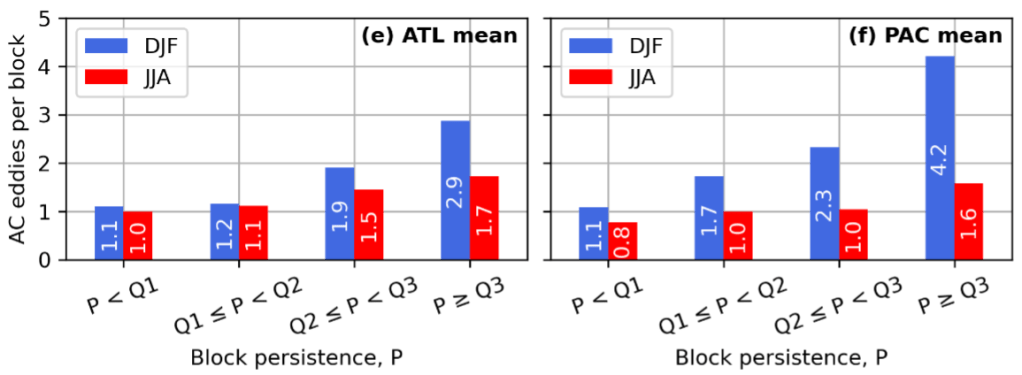
Figure 1: average number of anticyclonic eddies per block for the Euro-Atlantic (left) and North Pacific (right). Block persistence is defined as the quartiles (Q1, Q2, Q3) of all blocks in winter (blue) and summer (red). From Suitters et al. (2023).

It’s great that we now know this relationship, however it would be beneficial to know if these interactions are forecasted well. If they are not, it might explain our shortcomings in predicting the longevity of a block event (Ferranti et al., 2015).  I explore this with a case study from March 2021 using ensemble forecasts from MOGREPS-G. Fortunately, this block in March 2021 was not associated with any severe weather, but it was still not forecasted well. In Figure 2, I show normalised errors in the strength, size, and location of the block, at the time of block onset, for each ensemble member from a range of different initialisation times. In these plots, a negative (positive) value means that the block was forecast to be too weak (strong) or too small (large), and the larger the error in the location, the further away the forecast block was from reality. In general, the onset of this block was forecast to be to be too weak and too small, though there was considerable spread within the ensemble (Fig. 2). Certainty in the forecast was only achieved at relatively small lead times.
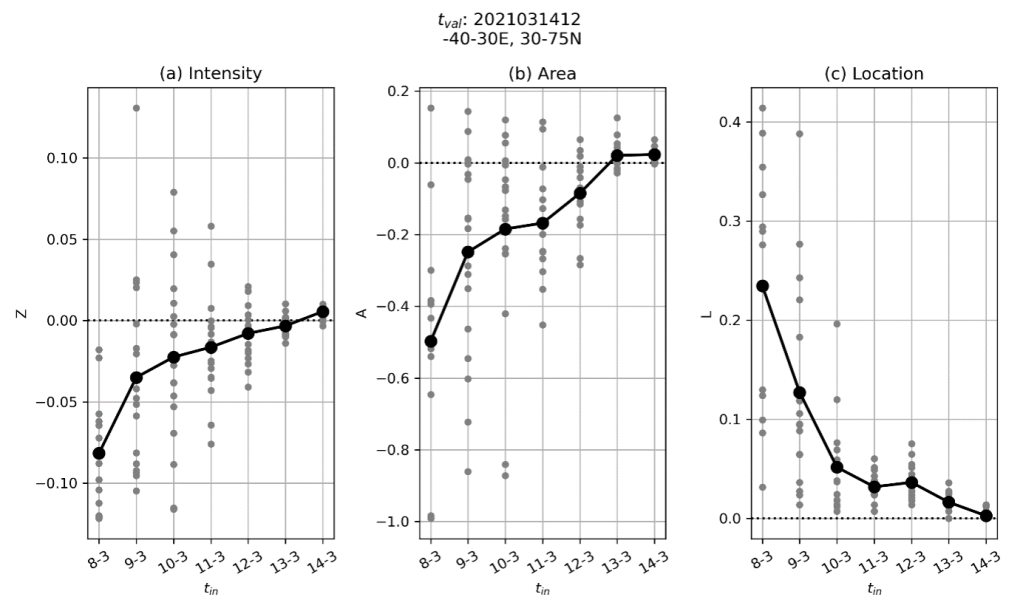
Figure 2: Normalised errors in the intensity (left), area (centre), and location of the block’s centre of mass (right), at a validity time of 2021-03-14 12 UTC (the time of onset). Each ensemble member’s error from a particular initialisation time is shown by the grey dots, and the ensemble mean is shown in black. When Z, A, or L are zero, the forecast has a “perfect” replication for this metric of the block (when compared to ERA5 reanalysis).

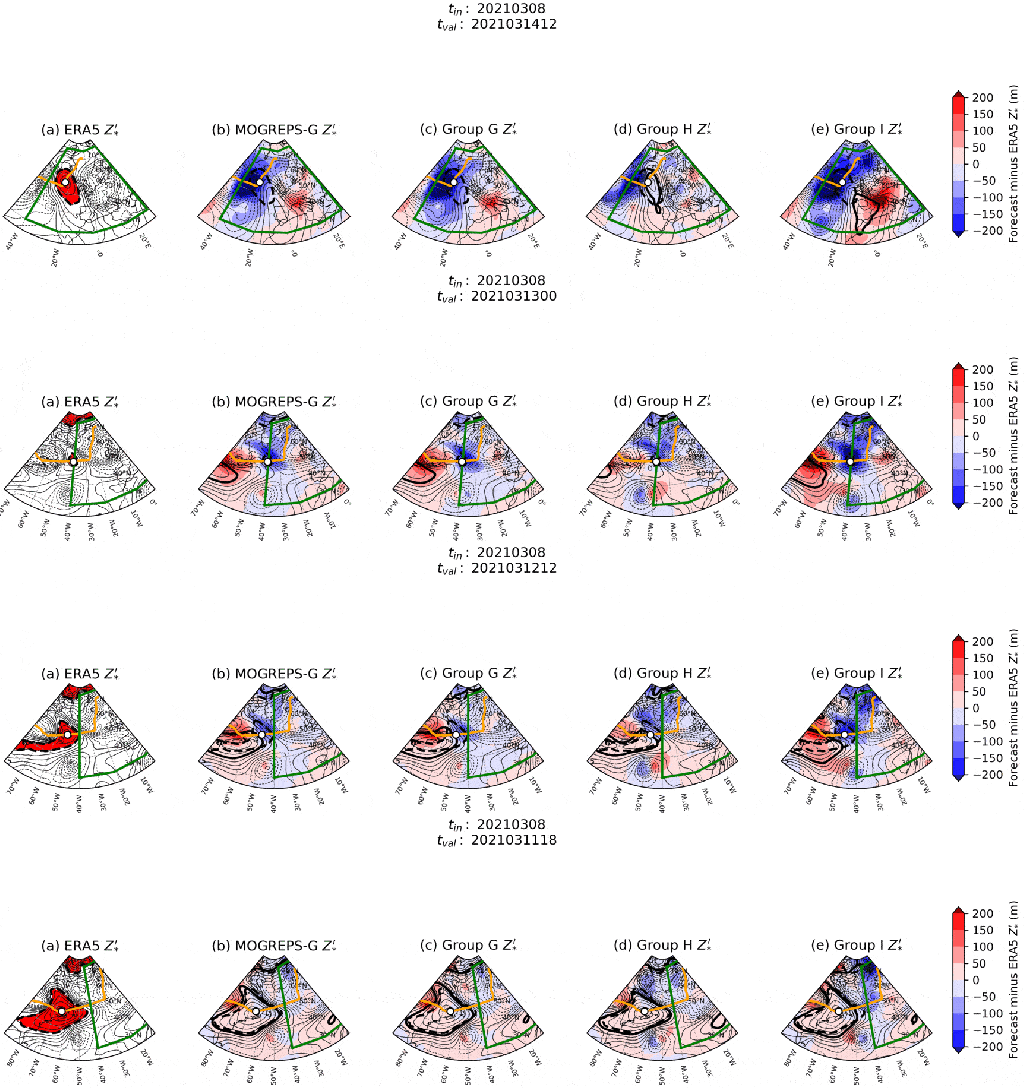
Now for the interesting bit – what causes the uncertainty in forecasting of the onset this European blocking event? To examine this, I grouped forecast members from an initialisation time of 8 March 2021 according to their ability to replicate the real block: the entire MOGREPS-G mean, members that either have no block or a very small block (Group G), members that perform best (Group H), and members that predict area well, but have the block in the wrong location (Group I). Then, I take the mean geopotential height anomalies () at each time step in each group, and compare these fields between groups to see if I can find a source of forecast error.
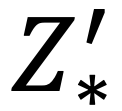
This is shown as an animation in Fig. 3. The animation starts at the time of block onset, and goes back in time to selected validity times, as shown at the top of the figure. The domain of the plot also changes in each frame, gradually moving westwards across the Atlantic. By looking at the ERA5 (the “real”) evolution of the block, we see that the onset of the European block was the result of an anticyclonic transient eddy breaking off from an upstream blocking event over North America. However, none of the aforementioned groups of members accurately simulate this vortex shedding from the North American block. In most cases, the eddy leaving the North American block is either too weak or non-existent (as shown by the blue shading, representing that the forecast is much weaker than in ERA5), which resulted in a lack of Eastern Atlantic blocking altogether. Only the group that modelled the block well (Group H) had a sizeable eddy breaking off from the upstream block, but even in this case it was too weak (paler blue shading). Therefore, the uncertain block onset in this case is directly related to the way in which an anticyclonic eddy was forecast to travel (or not) across the Atlantic, from a pre-existing block upstream. This is interesting because the North American block itself was modelled well, yet the eddy that broke off it was not, which was vital for the onset of the Euro-Atlantic block.

To conclude, this is an important finding because it shows the need to accurately model synoptic-scale features in the medium range in order to accurately predict blocking. If these eddies are absent in a forecast, a block might not even form (as I have shown), and therefore potentially hazardous weather conditions would not be forecast until much shorter lead times. My work shows the role of anticyclonic eddies towards the persistence and forecasting of blocks, which until now had not be considered in detail.
References

Kautz, L., Martius, O., Pfahl, S., Pinto, J.G., Ramos, A.M., Sousa, P.M., and Woollings, T., 2022. “Atmospheric blocking and weather extremes over the Euro-Atlantic sector–a review.” Weather and climate dynamics, 3(1), pp305-336.

Miller, D.E. and Wang, Z., 2022. Northern Hemisphere winter blocking: differing onset mechanisms across regions. Journal of the Atmospheric Sciences, 79(5), pp.1291-1309.

Shutts, G.J., 1983. The propagation of eddies in diffluent jetstreams: Eddy vorticity forcing of ‘blocking’ flow fields. Quarterly Journal of the Royal Meteorological Society, 109(462), pp.737-761.

Suitters, C.C., Martínez-Alvarado, O., Hodges, K.I., Schiemann, R.K. and Ackerley, D., 2023. Transient anticyclonic eddies and their relationship to atmospheric block persistence. Weather and Climate Dynamics, 4(3), pp.683-700.

Woollings, T., Barriopedro, D., Methven, J., Son, S.W., Martius, O., Harvey, B., Sillmann, J., Lupo, A.R. and Seneviratne, S., 2018. Blocking and its response to climate change. Current climate change reports, 4, pp.287-300.

Yamazaki, A. and Itoh, H., 2013. Vortex–vortex interactions for the maintenance of blocking. Part I: The selective absorption mechanism and a case study. Journal of the Atmospheric Sciences, 70(3), pp.725-742.
The Circumglobal Teleconnection and its Links to Seasonal Forecast Skill for the European Summer

Email: j.beverley@pgr.reading.ac.uk

Recent extreme weather events such as the central European heatwave in 2003, flooding in the UK in 2007, and even the recent dry summer in the UK in 2018, have highlighted the need for more accurate long-range forecasts for the European summer. Recent research has led to improvements in European winter seasonal forecasts, however summer forecast skill remains relatively low. One potential source of predictability for Europe is the Indian summer monsoon, which can affect European weather via a global wave train known as the “Circumglobal Teleconnection” (CGT).

figure1
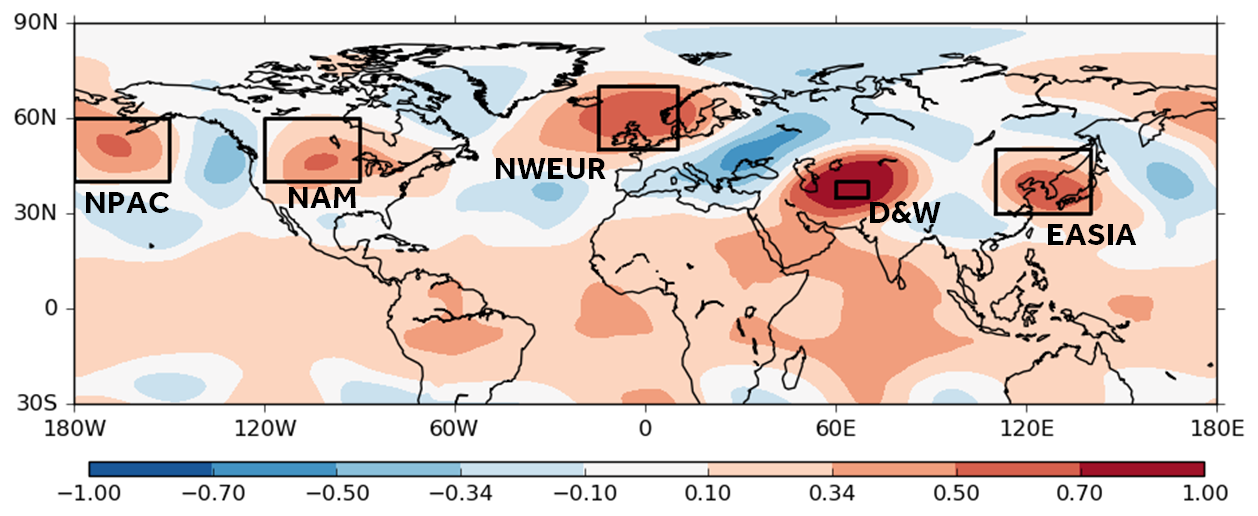
Figure 1: One-point correlation between 200 hPa geopotential height at the base point (35°-40°N, 60°-70°E) and 200 hPa geopotential height elsewhere in the ERA-Interim (1981–2014) reanalysis dataset, for August. The boxes indicate the regions defined as the “centres of action” of the CGT – these are North Pacific (NPAC), North America (NAM), Northwest Europe (NWEUR), Ding and Wang (D&W) and East Asia (EASIA).

The CGT was first identified by Ding and Wang (2005) as having a major role in modulating observed weather patterns in the Northern Hemisphere summer. Using a 200 hPa geopotential height index centred in west-central Asia (35°-40°N, 60°-70°E), they constructed a one-point correlation map of geopotential height with reference to this index (reproduced in Figure 1). From this, they identified a wavenumber-5 structure where the pressure variations over the Northeast Atlantic, East Asia, North Pacific and North America are all nearly in phase with the variations over west-central Asia (these are known as the “centres of action”). They also showed that the CGT is associated with significant temperature and precipitation anomalies in Europe, so accurate representation this mechanism in seasonal forecast models could provide an important source of subseasonal to seasonal forecast skill.

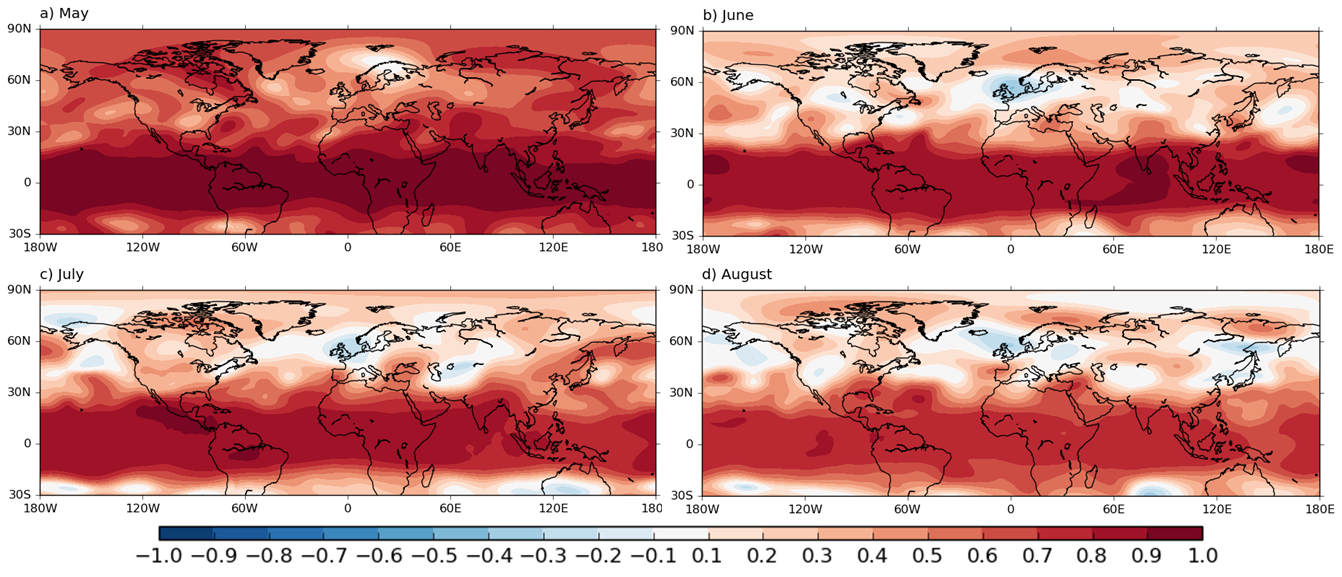
The model used here is a version of the European Centre for Medium-Range Weather Forecasts (ECMWF)’s coupled seasonal forecast model. Reforecasts are initialised on 1st May and are run for four months, so cover May-August, with start dates from 1981-2014. The skill of the model 200 hPa geopotential height is shown in Figure 2, defined as the correlation between the model ensemble mean and ERA-Interim. The model has good skill in May (to be expected given that the reforecasts are initialised in May) but in June, July and August areas of zero or negative correlation develop across much of the northern hemisphere extratropics. The areas of reduced skill align closely with the location of the centres of action of the CGT shown in Figure 1, suggesting that there is a link between the model skill and the model representation of the CGT.

figure2
Figure 2: Model ensemble mean skill for 200 hPa geopotential height as defined as the correlation between ERA-Interim and model ensemble mean for (a) May (b) June (c) July and (d) August

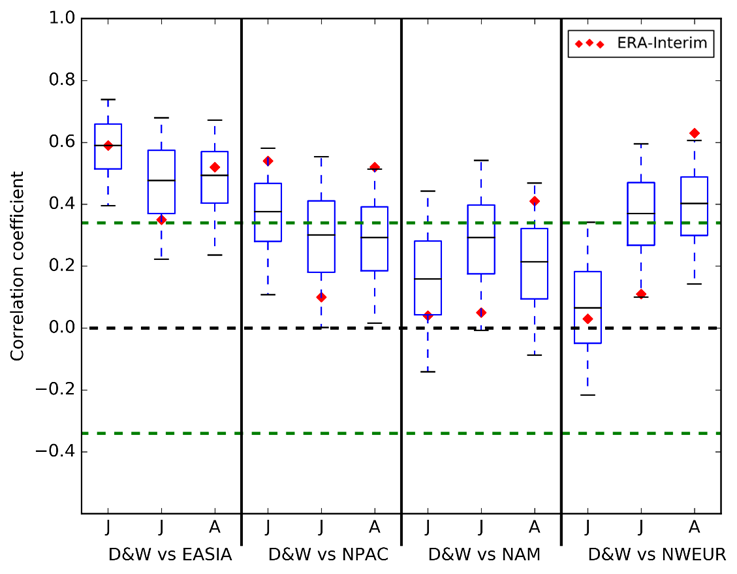
To determine how well the model represents the CGT, Figure 3 shows the correlation between the D&W region and the other centres of action of the CGT, as defined in Figure 1. Focussing on August (as August has the strongest CGT pattern) it can be seen that the model correlations, indicated by the box and whisker plots, are weaker than in observations (red diamond) for the D&W vs. North Pacific (NPAC), North America (NAM) and Northwest Europe (NWEUR) regions. This indicates that the model has a weak representation of the wavetrain associated with the CGT.

figure3
Figure 3: Distribution of correlation coefficients for the D&W Index correlated against the other centres of action of the CGT. The box plots represent the upper and lower quartiles, and the whiskers extend to the 5th and 95th percentiles. The black horizontal line represents the median value and the red diamond the observed correlation coefficient from ERA-Interim.

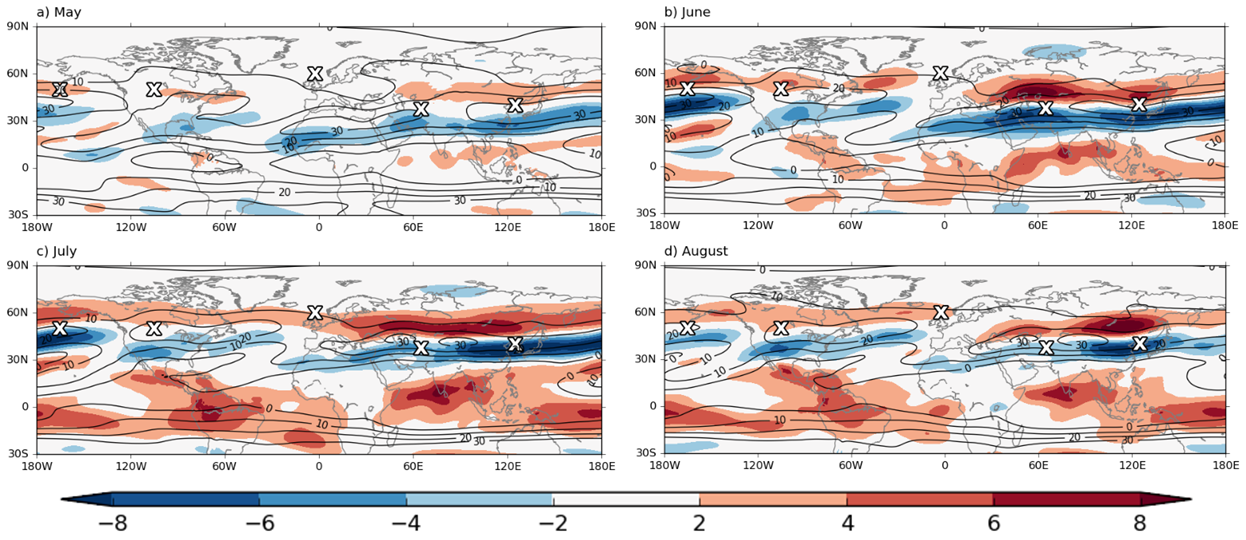
There are likely to be several reasons for the weak representation of the CGT in the model. One important factor is the presence of a northerly jet bias in the model across much of the Northern Hemisphere. This can be seen in Figure 4, which shows the model jet biases relative to ERA-Interim in the coloured contours, and the observed zonal wind in the black contours. The dipole structure of the biases which exists across much of the hemisphere, particularly in June, July and August, indicates that the model jet stream is located too far to the north. This means that Rossby waves forced in this region will have different wave propagation characteristics to reality – they may propagate at the incorrect speed, in the wrong direction or may not propagate at all, and this is likely to be an important factor in the weak representation of the CGT in the model.

figure4
Figure 4: Model 200 hPa zonal wind bias (filled contours, m/s), defined as the model ensemble mean minus ERA-Interim zonal wind, and ERA-I 200 hPa zonal wind (black contours) for (a) May (b) June (c) July and (d) August. The location of the centres of action of the CGT are marked with white crosses.

Other potential factors involved are a poor representation of the link between monsoon precipitation and the geopotential height in west-central Asia (which was shown by Ding and Wang (2007) to be important in the maintenance of the CGT) and errors in the forcing of Rossby waves associated with the monsoon. For a more detailed explanation of these, see my paper in Climate Dynamics (Beverley et al. 2018). It seems likely that the pattern of reduced skill in Figure 2, with negative correlations located at the centres of action of the CGT, including over Europe, is related to the poor representation of the CGT in the model. This raises the question of whether an improvement in the model’s representation of the CGT would lead to an improvement in forecast skill for the European summer. To address this question, sensitivity experiments have been carried out, in which the observed circulation is imposed in several centres of action along the CGT pathway to explore the impact on forecast skill for European summer weather.

References

Beverley, J. D., S. J. Woolnough, L. H. Baker, S. J. Johnson and A. Weisheimer, 2018: The northern hemisphere circumglobal teleconnection in a seasonal forecast model and its relationship to European summer forecast skill. Clim. Dyn. https://doi.org/10.1007/s00382-018-4371-4

Ding, Q., and B. Wang, 2005: Circumglobal teleconnection in the northern hemisphere summer. J. Clim. 18, 3483–3505.  https://doi.org/10.1175/JCLI3473.1

Ding, Q., and B. Wang, 2007: Intraseasonal teleconnection between the summer Eurasian wave train and the Indian monsoon. J. Clim. 20, 3751-3767. https://doi.org/10.1175/JCLI4221.1

Atmospheric blocking: why is it so hard to predict?

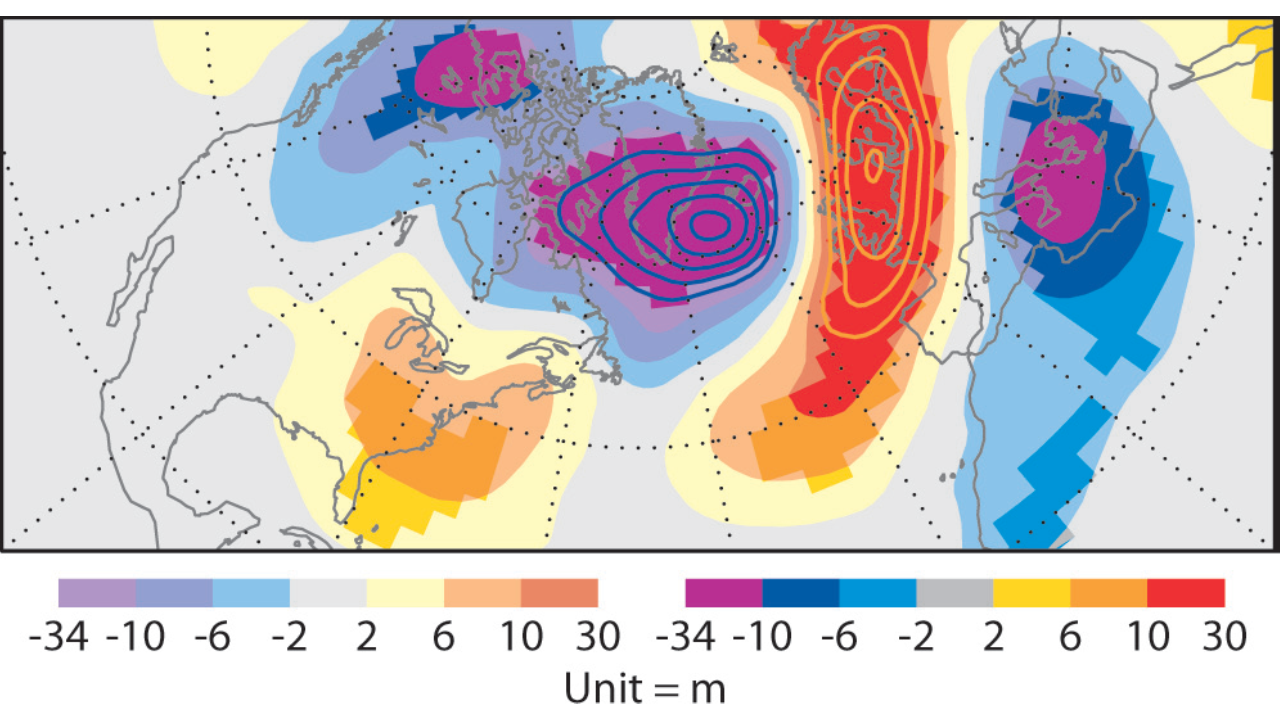
Atmospheric blocks are nearly stationary large-scale flow features that effectively block the prevailing westerly winds and redirect mobile cyclones. They are typically characterised by a synoptic-scale, quasi-stationary high pressure system in the midlatitudes that can remain over a region for several weeks. Blocking events can cause extreme weather: heat waves in summer and cold spells in winter, and the impacts associated with these events can escalate due to a block’s persistence. Because of this, it is important that we can forecast blocking accurately. However, atmospheric blocking has been shown to be the cause of some of the poorest forecasts in recent years. Looking at all occasions when the ECMWF model experienced a period of very low forecast skill, Rodwell et al. (2013) found that the average flow pattern for which these forecasts verified was an easily-distinguishable atmospheric blocking pattern (Figure 1). But why are blocks so hard to forecast?

Fig_1_blogjacob
Figure 1:  Average verifying 500 hPa geopotential height (Z500) field for occasions when the ECMWF model experienced very low skill. From Rodwell et al. (2013).

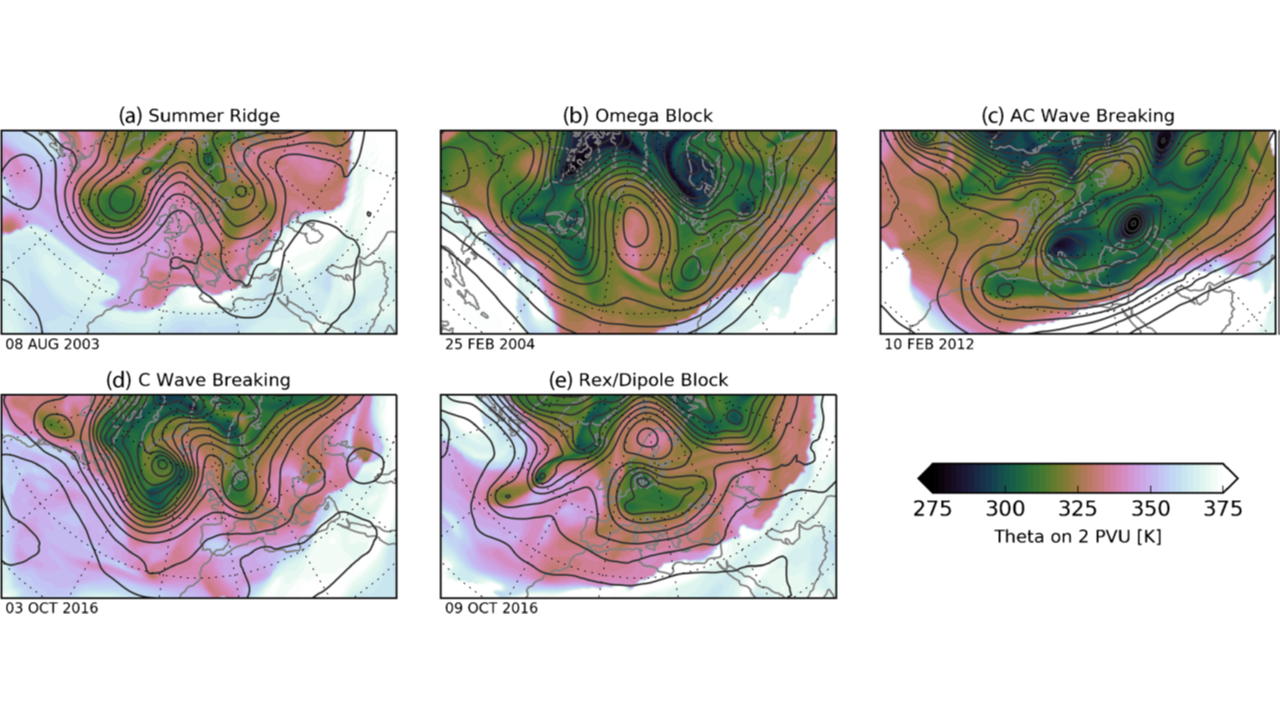
There are several reasons why forecasting blocking is a challenge. Firstly, there is no universally accepted definition of what constitutes a block. Several different flow configurations that could be referred to as blocks are shown in Figure 2. The variety in flow patterns used to define blocking brings with it a variety of mechanisms that are dynamically important for blocks developing in a forecast (Woollings et al. 2018). Firstly, many phenomena must be well represented in a model for it to forecast all blocking events accurately. Secondly, there is no complete dynamical theory for block onset and maintenance- we do not know if a process key for blocking dynamics is missing from the equation set solved by numerical weather prediction models and is contributing to the forecast error. Finally, many of the known mechanisms associated with block onset and maintenance are also know sources of model uncertainty. For example, diabatic processes within extratropical cyclones have been shown to contribute substantially to blocking events (Pfahl et al. 2015), the parameterisation of which has been shown to affect medium-range forecasts of ridge building events (Martínez-Alvarado et al. 2015).

Fig_2_blogjacob
Figure 2: Different flow patterns, shown using Z500 (contours), that have been defined as blocks. From Woollings et al. (2018).

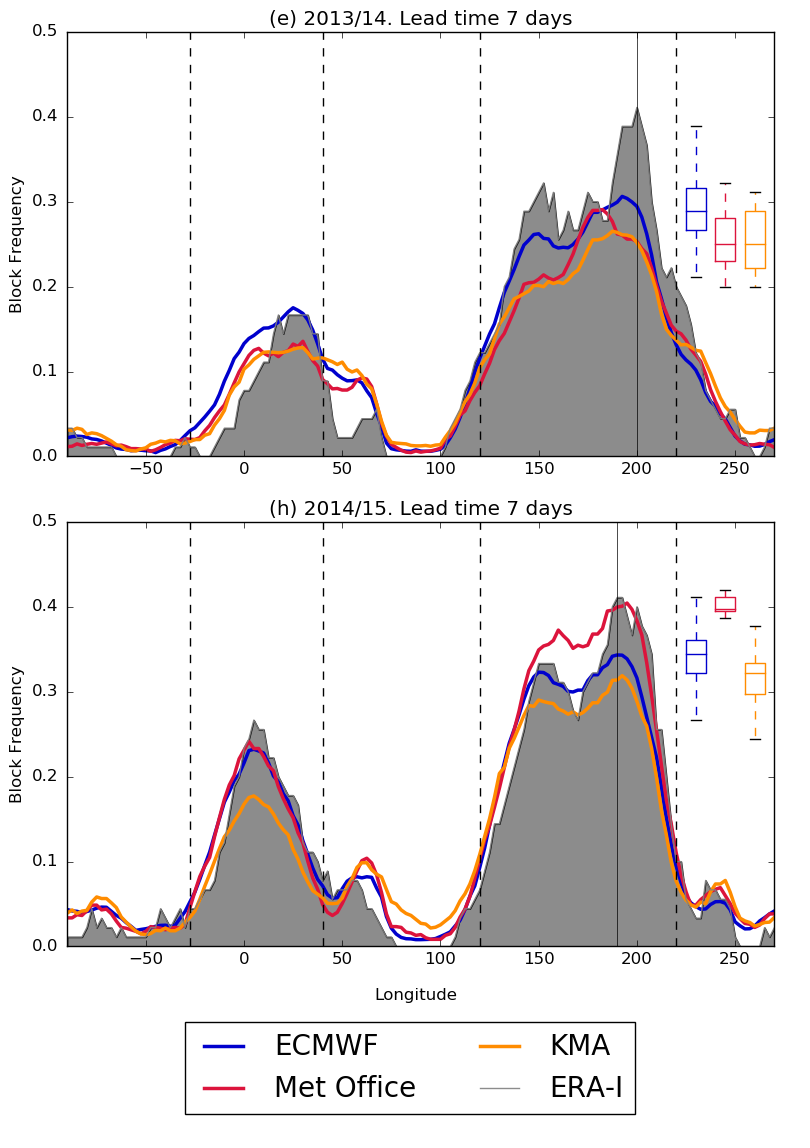
We do, however, know some ways to improve the representation of blocking: increase the horizontal resolution of the model (Schiemann et al. 2017); improve the parameterisation of subgrid physical processes (Jung et al. 2010); remove underlying model biases (Scaife et al. 2010); and in my PhD we found that improvements to a model’s dynamical core (the part of the model used to solved the governing equations) can also improve the medium-range forecast of blocking. In Figure 3, the frequency of blocking that occurred during two northern hemisphere winters is shown for the ERA-Interim reanalysis and three operational weather forecast centres (the ECMWF, Met Office (UKMO) and the Korean Meteorological Administration (KMA)). Both KMA and UKMO use the Met Office Unified Model – however, before the winter of 2014/15 the UKMO updated the model to use a new dynamical core whilst KMA continued to use the original. This means that for the 2013/14 the UKMO and KMA forecasts are from the same model with the same dynamical core whilst for the 2014/15 winter the UKMO and KMA forecasts are from the same model but with different dynamical cores. The clear improvement in forecast from the UKMO in 2014/15 can hence be attributed to the new dynamical core. For a full analysis of this improvement see Martínez-Alvarado et al. (2018).

Fig_3_blogjacob
Figure 3: The frequency of blocking during winter in the northern hemisphere in ERA-Interim (grey shading) and in seven-day forecasts from the European Centre for Medium-Range Weather Forecasts (ECMWF), the Met Office (UKMO) and the Korean Meteorological Administration (KMA). Box plots show the spread in the ensemble forecast from each centre.

In the remainder of my PhD I aim to investigate the link between errors in forecasts of blocking with the representation of upstream cyclones. I am particularly interested to see if the parameterisation of diabatic processes (a known source of model uncertainty) could be causing the downstream error in Rossby wave amplification and blocking.

Email: j.maddison@pgr.reading.ac.uk.

References:

Rodwell, M. J., and Coauthors, 2013: Characteristics of occasional poor medium-range weather  forecasts for Europe. Bulletin of the American Meteorological Society, 94 (9), 1393–1405.

Woollings, T., and Coauthors, 2018: Blocking and its response to climate change. Current Climate Change Reports, 4 (3), 287–300.

Pfahl, S., C. Schwierz, M. Croci-Maspoli, C. Grams, and H. Wernli, 2015: Importance of latent  heat release in ascending air streams for atmospheric blocking. Nature Geoscience, 8 (8), 610– 614.

Mart´ınez-Alvarado, O., E. Madonna, S. Gray, and H. Joos, 2015: A route to systematic error in forecasts of Rossby waves. Quart. J. Roy. Meteor. Soc., 142, 196–210.

Mart´ınez-Alvarado, O., and R. Plant, 2014: Parametrized diabatic processes in numerical simulations of an extratropical cyclone. Quart. J. Roy. Meteor. Soc., 140 (682), 1742–1755.

Scaife, A. A., T. Woollings, J. Knight, G. Martin, and T. Hinton, 2010: Atmospheric blocking and mean biases in climate models. Journal of Climate, 23 (23), 6143–6152.

Schiemann, R., and Coauthors, 2017: The resolution sensitivity of northern hemisphere blocking in four 25-km atmospheric global circulation models. Journal of Climate, 30 (1), 337–358.

Jung, T., and Coauthors, 2010: The ECMWF model climate: Recent progress through improved physical parametrizations. Quart. J. Roy. Meteor. Soc., 136 (650), 1145–1160.