Inside COP29

Thea Stevens – thea.stevens@pgr.reading.ac.uk

Juan Garcia Valencia – j.p.garciavalencia@pgr.reading.ac.uk

Introduction

Hi there! We are Thea (3rd year PhD) and Juan (2nd year PhD), and we had the privilege to attend Week 2 of COP29 at the end of last year. We thought it would be a good idea to write a blog as an accumulation of answers to the main questions we’ve encountered since coming back – we hope you enjoy reading about it and that it’s hopefully useful to anyone thinking of applying for this amazing opportunity next year! 
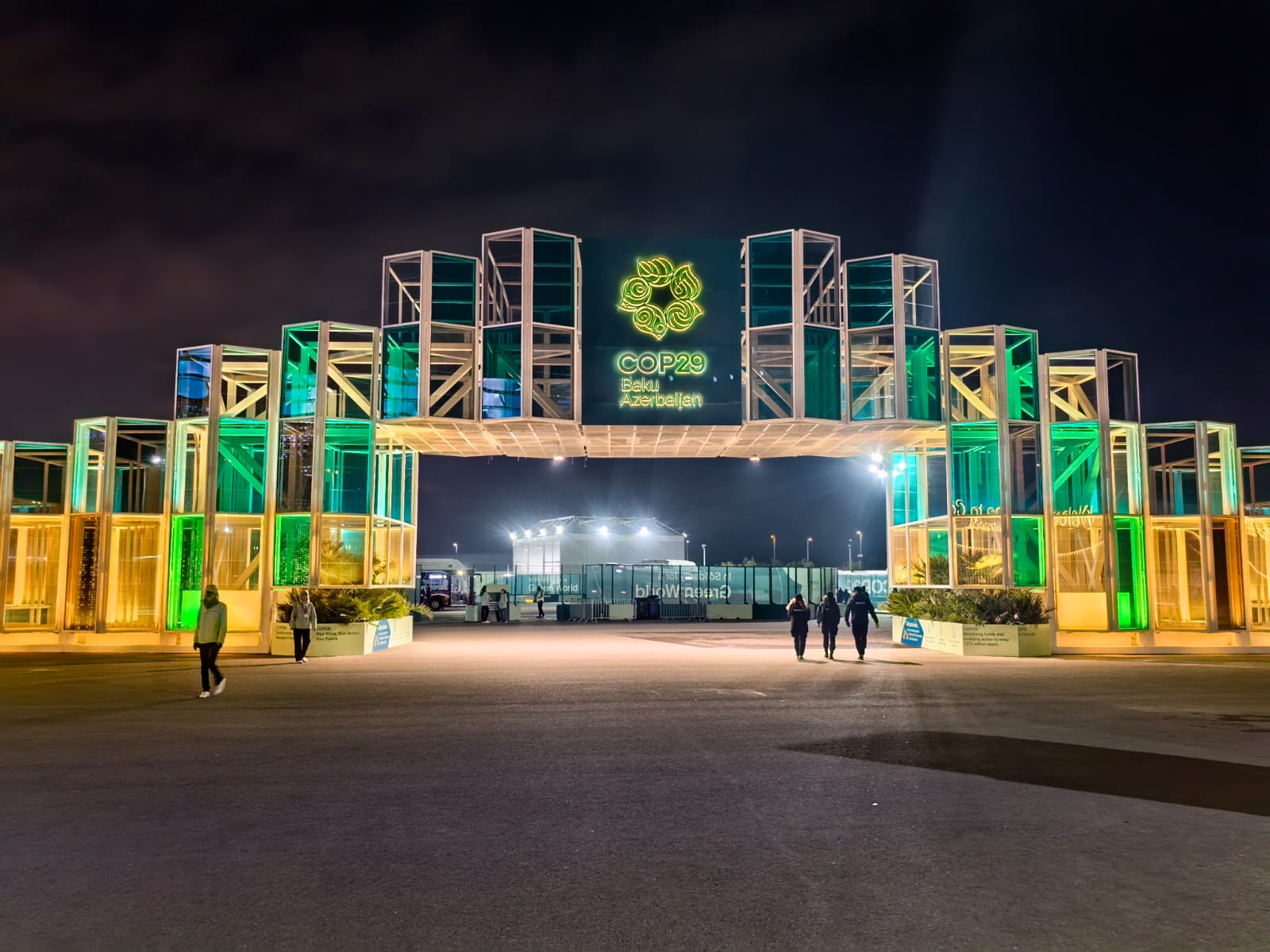
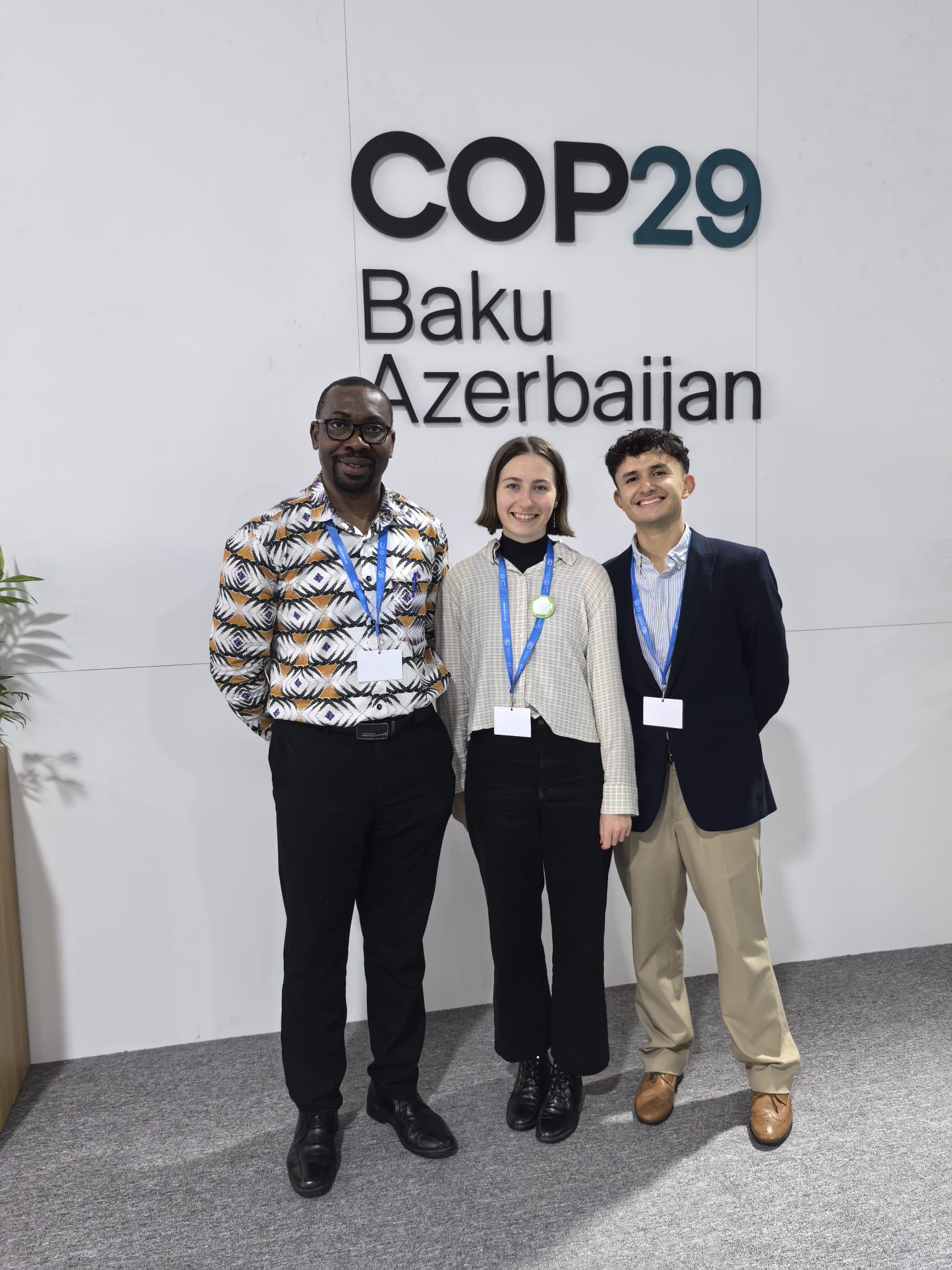
Picture 1, Entrance to COP29. Picture 2, Emmanuel Essah, Thea Stevens and Juan Garcia Valencia in COP29

Pre-COP 

What is COP29? 

COP29, the 29th Conference of the Parties, is the annual United Nations climate change conference and serves as the primary decision-making event under the United Nations Framework Convention on Climate Change (UNFCCC). Established by the treaty signed in 1992, COP brings together representatives from all UN member states and the European Union to address global climate challenges. This year, COP29 was held in November in Baku, Azerbaijan, drawing over 65,000 delegates from around the world, including diplomats, climate scientists, trade union leaders, and environmental activists. The event aims to negotiate effective strategies to combat the root causes of climate change. In essence, it’s the world’s largest and most significant gathering dedicated to climate action.

What were the expectations going into COP29?

Even before the summit began, COP29 was widely referred to as the “Finance COP” due to the prominence of one particular issue: climate finance. This term highlights the obligation of developed nations to provide financial resources to developing countries. These funds are intended to help nations build clean-energy systems, adapt to a warming world, and recover from disasters exacerbated by climate change. A significant focus of the negotiations and media coverage was the New Collective Quantified Goal (NCQG), a proposed climate finance target aimed at channelling resources to developing nations to combat climate change effectively.

However, discussions were also expected to extend beyond finance, addressing crucial topics such as Article 6 of the Paris Agreement, as well as strategies for adaptation and mitigation. We had the incredible opportunity to attend the second week of COP29—a pivotal stage of the process when ministers usually tackle the intricate details of agreements crafted in the first week, working to reach consensus. Heading into the conference, we anticipated hearing much more about the NCQG and its potential connections to other pressing climate issues.

Why did we apply to go?

“I decided to apply to attend COP29 due to the significance of geopolitical progress in ensuring that countries act in accordance with science. I think it is easy for us to forget the magnitude of what we study as meteorologists and climate scientists. To be able to follow how our scientific understanding shapes what actions are taken on a political scale feels important in order to put our work into context. I have also been following the progress of COPs for a long time – I was that geeky teenager in geography class who got a bit obsessed with the developments made there. So, on a more personal level, it also felt like a really exciting opportunity.” – Thea 

“My decision to apply for COP29 stemmed from a deep interest in the science-policy interface. As a PhD student researching monsoons and their variability with climate change, my work primarily involves analysing large datasets with the aim of crafting papers that can inform decision-making. While this scientific foundation is critical, I was eager to move beyond the confines of my computer screen and engage directly with the global climate community. This experience promised not only professional growth but also the chance to see firsthand how research and advocacy converge on the global stage so I knew I had to give it a go!” – Juan

What did we do in preparation? 

Having closely followed previous COPs and participated in COPCAS, we were familiar with the structure and nature of these conferences, which gave us a sense of what to expect. However, we knew that attending in person would be a completely different experience. In preparation, we undertook extensive training and courses. The Walker Institute’s help was invaluable, as they provided numerous opportunities to upskill and address our questions. They even arranged security training, given that we were heading to a politically sensitive region. Additionally, the IISD webinars were incredibly helpful in providing up-to-date insights on negotiation progress and key facts. Staying informed through these resources and keeping up with current news allowed us to approach the conference well-prepared and confident.

During COP 

What was the schedule like? 

The daily schedule at COP29 was intense. With only one week to make the most of the experience, our days were packed with meetings from 9:00AM – 6:00PM. We started each morning with the RINGO (Research and Independent Non-Governmental Organisations) meeting, which brought together members of the observer scientific community. These sessions provided a valuable space to discuss key themes and points of interest for the day, while also offering great networking opportunities.

The rest of the day was a whirlwind of press conferences, negotiations, and side events hosted by a wide range of organisations. Most events were open to all attendees, though some, particularly negotiations in the second week and high-profile press conferences (such as those featuring Antonio Guterres, Secretary-General of the UN!), were closed-door.

Another key aspect of our responsibilities was meeting twice daily with our team back at the Walker Institute. These sessions were a great chance to share our findings, report on the atmosphere on the ground, and receive valuable recommendations for upcoming events. More often than not, these check-ins also provided a much-needed energy and mood boost to keep us going through the busy days!

How did we decide on what to attend? 

Understanding the true scope of events and talks at COP took a while to get your head around. There is so much going on, and so much you could be going to it always felt like you were missing something. It was helpful to be able to think of the types of events you could go to into three different categories: the negotiations, the side events and the pavilion events. Each one of these had quite a different atmosphere, which was helpful to consider when deciding what to go to. 

The pavilions were basically a full conference on their own, with every country and NGO having their own elaborately decorated area. Talks here were slightly more informal and there was a wide diversity of topics. If you wanted to get some information on a more specific topic and also have time to talk with the people presenting this was the place to be. 

The side events were often more specific to the ongoing negotiations and included panel discussions and press conferences. These were often really exciting opportunities to get an update on the negotiations that we might not have been allowed to sit in on, and they often provided a more candid and emotive response to the developments. 

Lastly were the negotiations themselves. These were very slow and bureaucratic, but despite this, they were really fascinating to watch. It was what was going on in these negotiation rooms that really mattered to the outcome of COP! We had been given very good advice before we went to properly follow just one of the negotiation pieces so that you could understand how it was being shaped over time. However, as we attended the second week, the negotiations occurring behind closed doors increased more and more, and the agenda for these was constantly changing. We found it best to just jump on any opportunity there was to attend one of these as they became increasingly difficult to access. 

Having an overview of the different potential experiences in each of these parts of COP made it easier to asses what to go to and what might be interesting at any given time. 
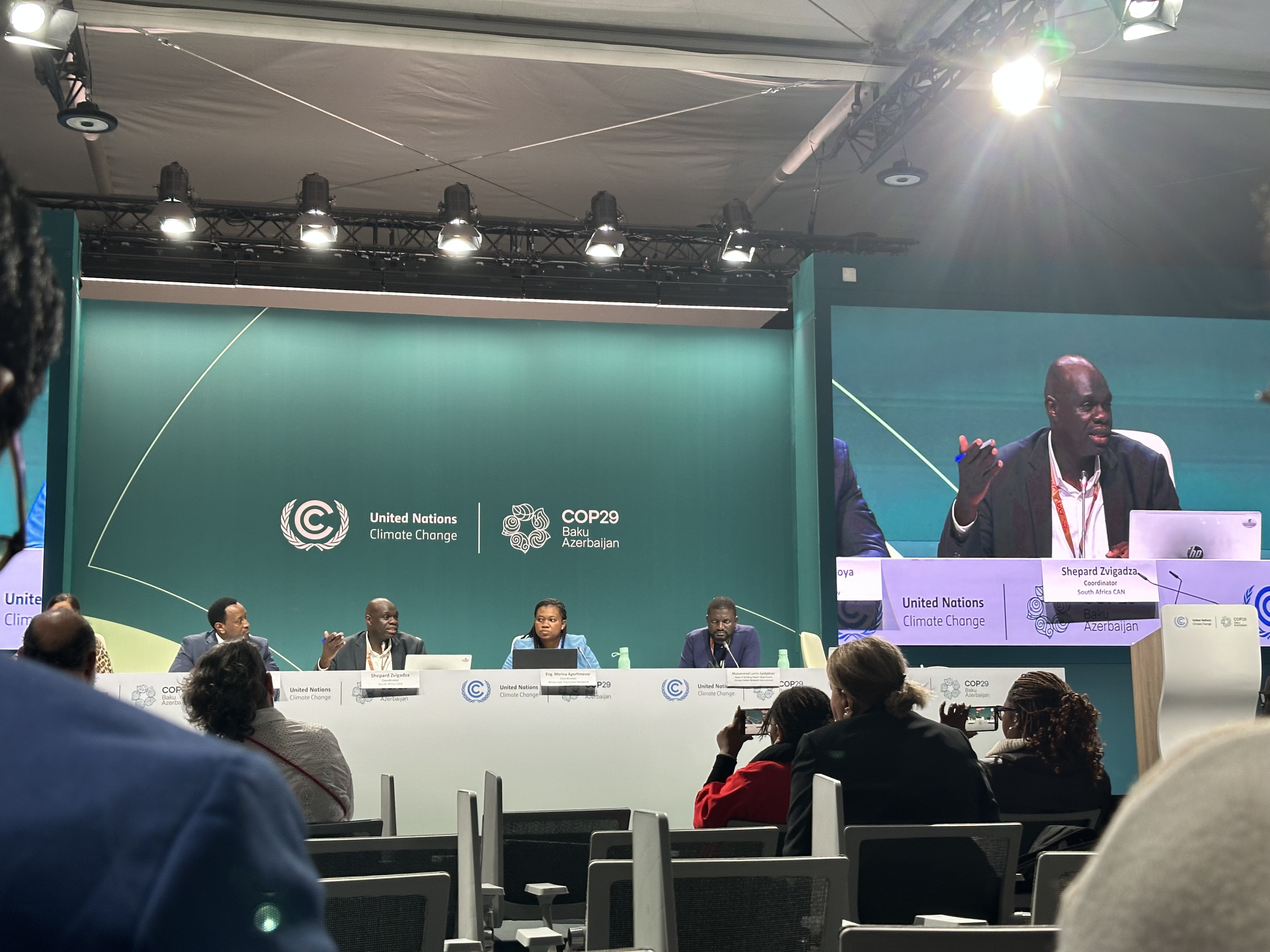
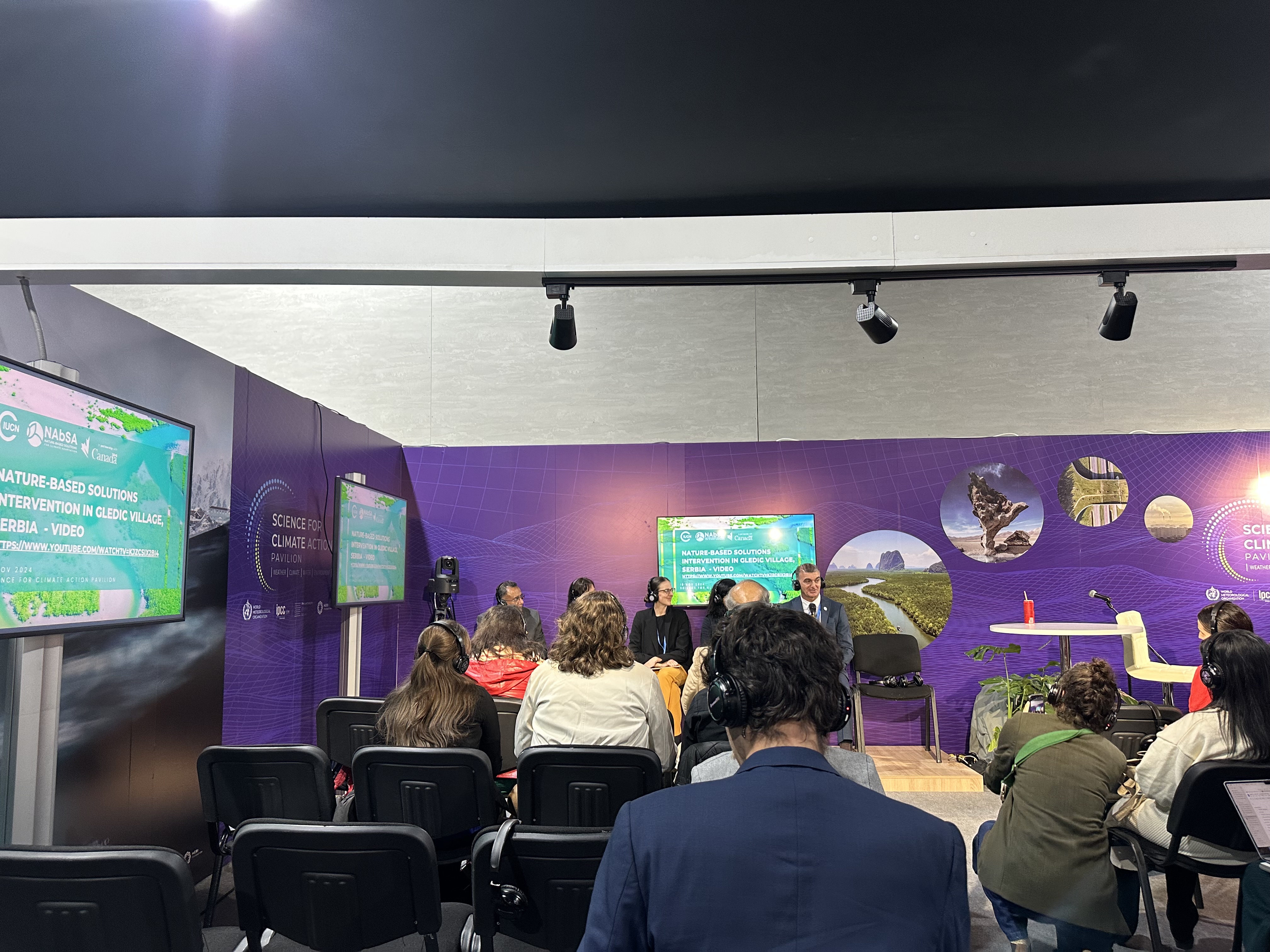
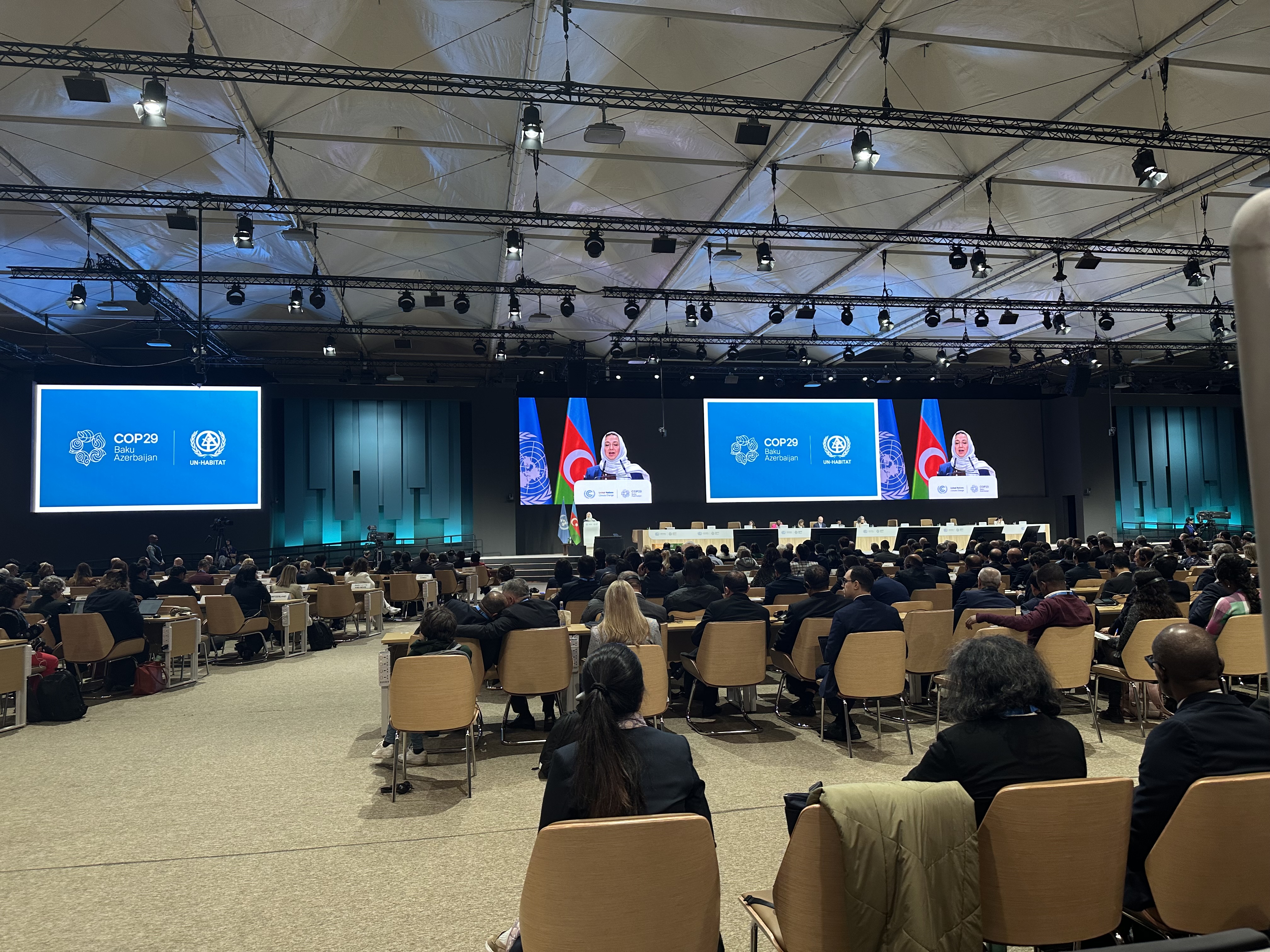
Picture 3, 4, and 5 show various events that happened in COP29, including a press conference, a science pavilion event and a plenary.

Who was someone interesting you met?

“While waiting in a queue to get into a negotiation, I met a delegate from an NGO based in South Africa. Through links to local religious groups, she helped guide communities to access climate-related financial aid. We discussed how amendments being made during different negotiations were having a direct impact on the accessibility of these funds. This provided a powerful reminder of how the negotiations had an impact on some of the most vulnerable communities not only in South Africa but all over the world. Having her watching and voicing opinions to negotiators between events provided a channel for these voices to be heard.” – Thea 

“Among the many incredible individuals I met, my interaction with two indigenous women from Chile left a profound impact. Their presentation on the consequences of lithium extraction in the Atacama Desert was both heartbreaking and inspiring. They spoke passionately about the devastating effects of privatized water and mineral resources, which have left their communities struggling with water scarcity and ecological exhaustion. Their unwavering determination to fight for their rights and protect their environment, despite significant challenges, was a powerful reminder of the human cost of unsustainable practices. Their story underscored the importance of amplifying marginalized voices in global climate discussions” – Juan

What is the role of the host country and how much influence do they have?

Hosting a COP entails significant responsibilities, including providing the facilities, security, and leadership required to ensure the summit’s success. In many ways, we were impressed by Azerbaijan’s efforts as the COP29 presidency. The facilities were well-prepared, and the transportation system was particularly noteworthy—clear, organised, and highly efficient, running seamlessly throughout the two weeks to help delegates commute to and from the conference centre with ease.

However, Azerbaijan’s selection as host sparked controversy from the moment it was announced at the end of COP28 in Dubai. One of the reasons was this it marked the third consecutive year that a petrostate was appointed to host the climate summit, raising concerns about potential conflicts of interest. This issue became a recurring theme throughout the conference, dominating discussions and even prompting high-profile criticisms. For example, Christiana Figueres, former UN climate chief, wrote an open letter during the first week, asserting that the COP process had become “no longer fit for purpose.”

By the second week, questions about the presidency’s ability to guide negotiations effectively were widespread. As the host country, Azerbaijan was expected to lead efforts to foster consensus among governments and non-Party stakeholders, particularly on critical issues like the NCQG and draft texts. Yet, progress was slow, and negotiations stretched into Saturday, further fuelling doubts about the presidency’s capacity to align its leadership with COP’s overarching goals.

Post-COP

What surprised you the most? 

“One of the most exciting and surprising things about COP was how accessible everything felt. As someone who wasn’t there for more than just to communicate what was happening to students at COPCAS, it felt really incredible that we were given access to the negotiations and all the plenary sessions. I obviously knew this was going to be the case before we went, but it was only really sitting when in on these events did I realise how unique of an opportunity this was.” – Thea

“One of the most striking aspects for me of attending last year’s COP was the incredible diversity of attendees, showcasing the universal impact of climate change and the essential need for broad representation in climate discussions. Among the most inspiring aspects was the strong presence of young people and activists, whose energy and commitment highlighted the vital role of the next generation in driving meaningful climate action” – Juan 

What do we think of the COP process? 

Going to COP and sitting in on the negotiations made the enormity of ambition and geopolitical complexity of bilateral agreements evident. Countries – with vastly different agendas and core beliefs – coming around a table trying to agree on something is an absurdly ambitious arrangement. Reducing fossil fuel consumption is unlike any another problem we face; their presence is pervasive in all of our lives. Fossil fuels are a bedrock of wealth and power in our global political economy. Despite alternative energies booming, and 2024 confirmed as the warmest year on record, this makes fossil fuels hard for the world to walk away from at the speed we need to do so. 

Whilst COP can be critiqued for being slow and disappointing, there remains hope in the vision of these bilateral negotiations. Given the increase in conflict and geopolitical instability these past few years, I left COP with an appreciation for the fact that there is still a negotiating table.

However, attending COP also brought to light how important it is to have ambitious domestic policies. COP will never really be the space where radical or big change will happen; this is instead the space where countries are all brought onto the same page. I think we left with more conviction that local politics and policies are where these larger changes need to happen.
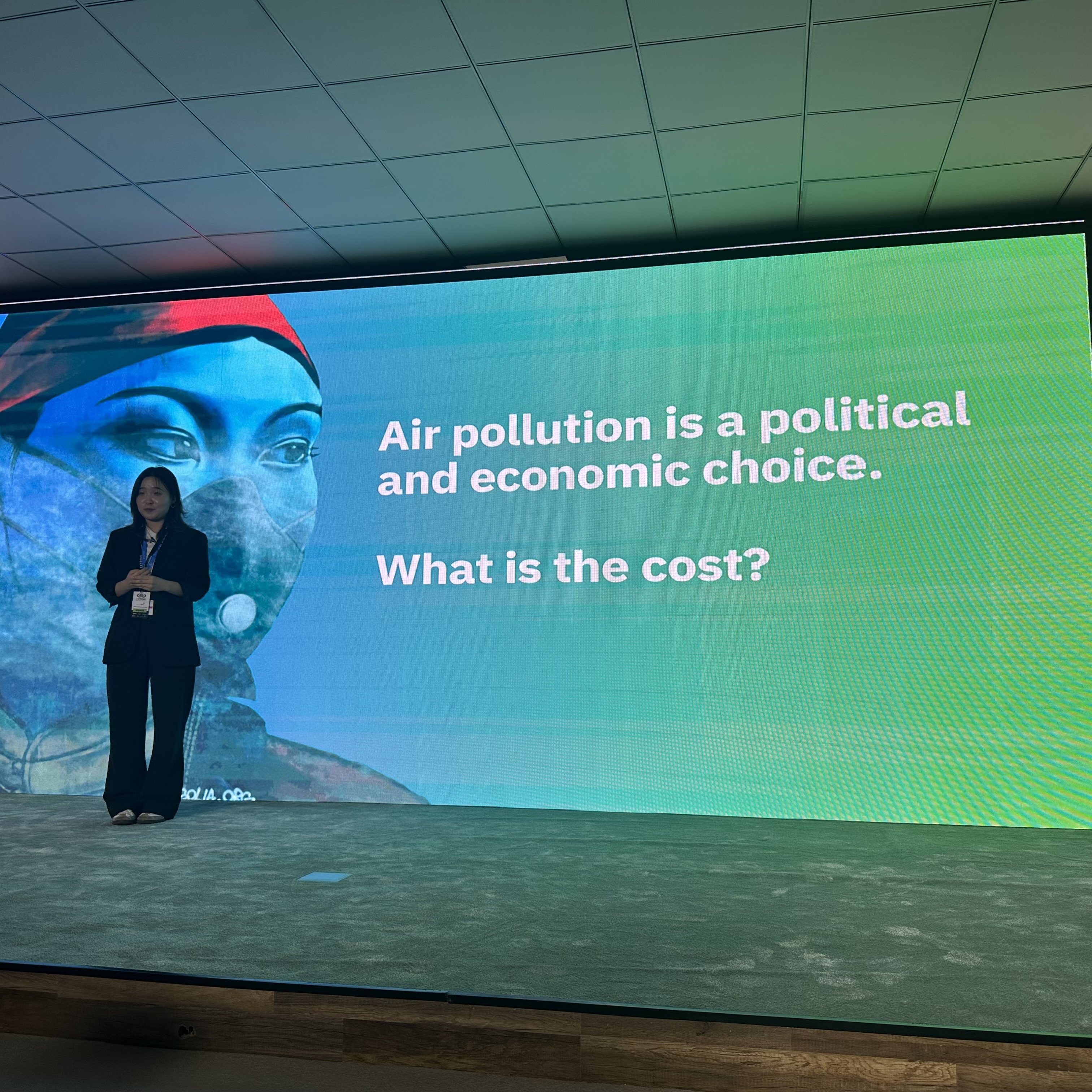
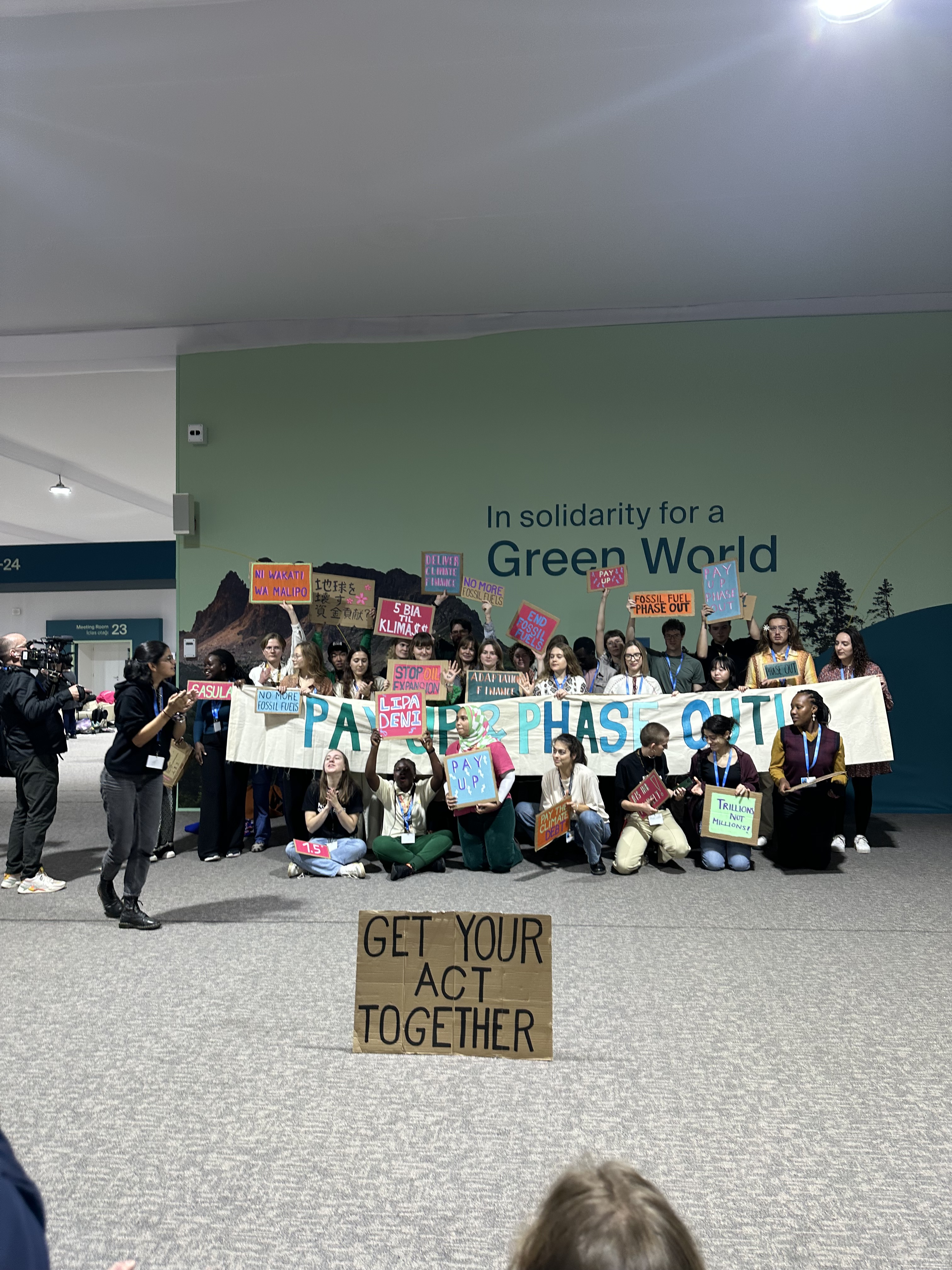
Picture 6, Powerful presentation by Enkhuun Byambadorji on Transforming Climate Narratives for Healthy. Picture 7, Organised protests by activists inside the Blue Zone.

Environments

What tips would you give to someone who is hoping to attend next year? 

  • Apply!! It’s an amazing opportunity both professionally and personally and it shouldn’t be missed. 
  • Wear comfortable yet formal attire. You will be walking around for most of the day but also meeting important and really cool people, so you definitely still want to look the part. 
  • Have business cards for networking 
  • Bring a power bank 
  • Practice your elevator pitch- in case you stumble across somebody interested in your research. 
  • Take lots of pictures!

Conclusion 

We wanted to end this blog by saying a massive thank you to the Walker Institute for their support in making this experience possible. Attending COP29 was a transformative journey that deepened our commitment to climate action and inspired us to continue advocating for a sustainable future.
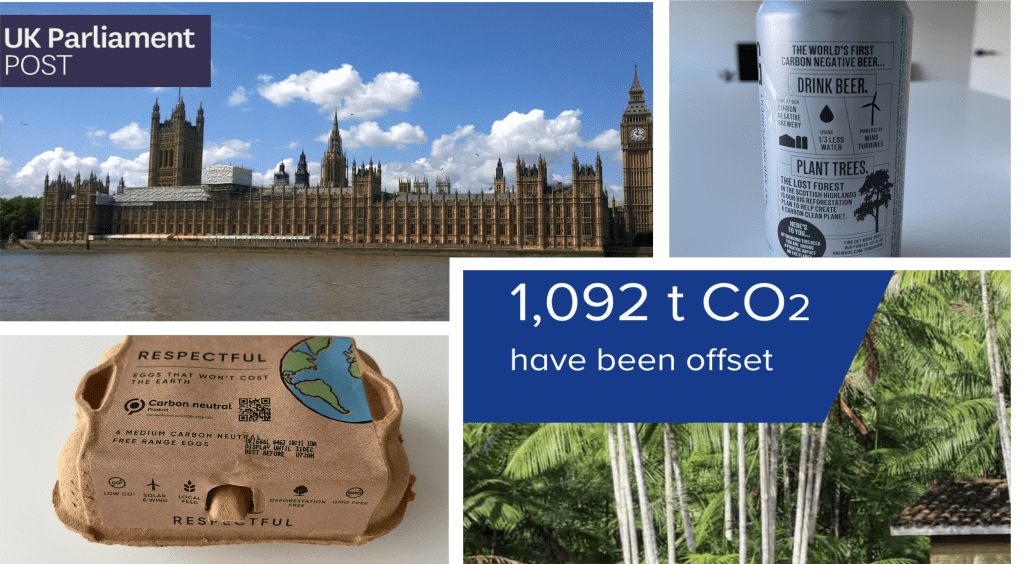
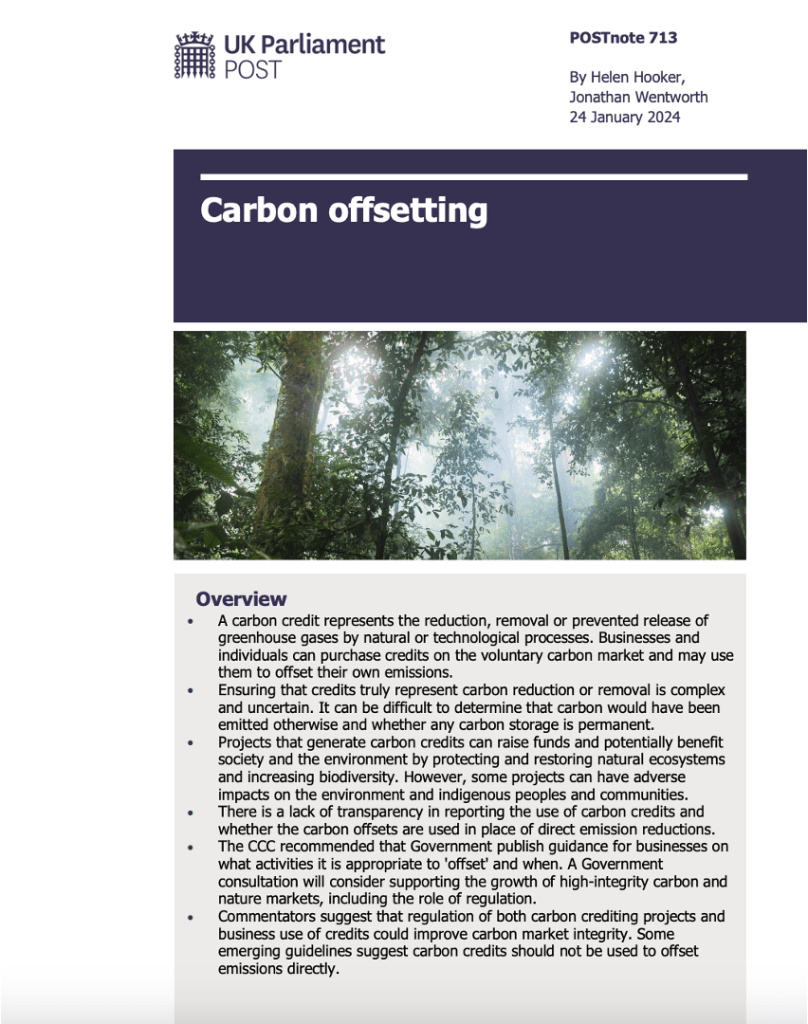
POST fellowship at UK Parliament on carbon offsetting

Helen Hooker – h.hooker@pgr.reading.ac.uk

What is POST?

The Parliamentary Office for Science and Technology (POST) is a research and knowledge exchange service at UK Parliament. POST uses the best available research evidence and information to inform the legislative process and scrutiny of Government. POST advisors and fellows create POSTnotes and POSTbriefs on hot topics of interest to MPs and peers (members of the House of Lords) that are published online. Members may use information from POST publications during committee meetings or debates in Parliament.

The POSTnote process

POST fellows work for three months on an assigned topic outside of their usual area of research. The research is rapid! Fellows quickly identify experts from Academia, NGOs, Industry, and Government departments to speak to, and try to think of insightful questions to ask.

I was assigned the topic of carbon offsetting – yay! I interviewed almost 40 people that varied from those working with Indigenous Peoples in Guyana to others working with farming communities on Biochar (the carbon rich remains of super-heated organic material) research in the UK.

What is carbon offsetting?

A carbon credit is a token representing the avoidance, reduction or removal of atmospheric greenhouse gases (GHG), measured in tonnes of carbon dioxide equivalent (tCO2e). There are three main outcomes for projects creating carbon credits: Avoided emissions, for example by preventing deforestation and forest degradation; Reduced emissions, for example by restoring peatlands; and Removal and storage of CO2, for example by direct air capture or restoring forests. Businesses and individuals can purchase credits on the voluntary carbon market and may use them to offset their own emissions.

After lots of reading and reference gathering, the impartial POSTnote is drafted at around 3500 words and includes 100+ references. Internal and (a monster) external review follow (the draft note is sent to all contributors for comment) before final publication.

Working at Parliament

It was great to be a part of a team of POSTies, some seconded to select committees such as the Environmental Audit Committee or the Library. Others worked on different POSTnote topics like Green skills, AI in education and The future of fertiliser use. Westminster Palace is beautiful, awe-inspiring and a motivating place to work. There are lots of opportunities to enter ballots for activities and events. I was fortunate to attend the State Opening of Parliament (from the pavement, the King definitely waved at me), visit the archive tower (I counted nearly 300 steps up 12 floors and saw the original Freedom of Information Act 2000), and sing Christmas carols in Mr Speakers House.

Summary

I applied for a POST fellowship to learn more about policy and how research can have an impact. I loved the learning process, and I will use it in my research going forwards. I would like to thank SCENARIO DTP for funding the opportunity.

COP27 – An oasis in the heat of the climate change emergency, or a deserting of hope?

Rosie Mammatt – r.m.mammatt@pgr.reading.ac.uk

Thea Stevens – thea.stevens@pgr.reading.ac.uk

Sitting in the COPCAS studio in the University of Reading we were able to watch the numerous talks and panels taking place each day. This allowed us to tune into the different discussions surrounding topics from the role of civil society to the importance of biodiversity, giving us a unique insight into the proceedings of the conference. Through our team of people attending the conference, we were able to interview those who were participating in the negotiations, such as Robert Muthami, a climate and social justice advocate from Kenya. This gave us a gauge of what the atmosphere was like within the discussion and negotiation rooms. This left us with mixed emotions nearly 4000 miles away in Reading…

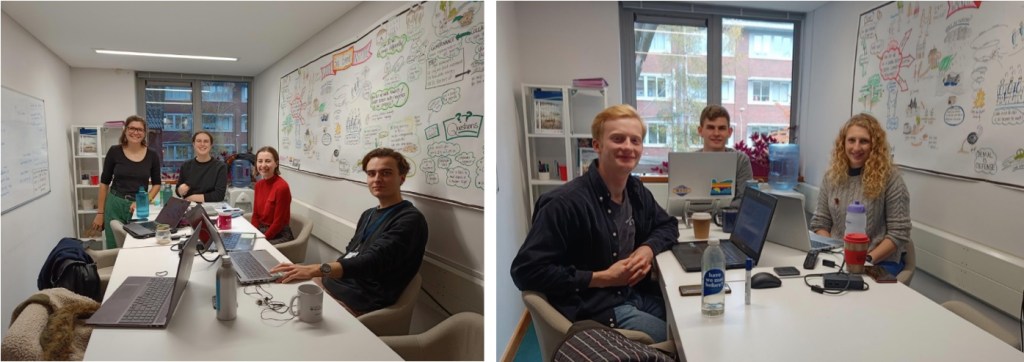
Left: Thea with her team in the Climate Action Studio on Energy and Civil Society Day. Right: Rosie with her team in the Climate Action Studio on the opening day of COP27.

“Human actions are the cause of this problem, so human actions must be the solution”. These were the words spoken passionately by UN Secretary-General António Guterres during the World Leaders Summit on the opening day at COP27. Similarly rousing speeches followed from world leaders and delegates who highlighted the challenges their countries are facing due to the climate emergency. The tone was set as one of desperation.

A large focus this year was on loss and damage. Talking to some of the negotiators towards the middle of COP showed us the struggle which was occurring behind the scenes. However, this ended up as one of the more positive outcomes of COP27 as an agreement on the creation of a global “loss and damage” fund. This is a historic milestone, and something that the most vulnerable nations have been seeking for decades. This is great progress. However, it is the beginning of a long process which is going to have to unpick who puts money into the fund and who is eligible to get money out. So, there is progress, but it is predictably slow meaning the hopes of the most vulnerable nations should not be pinned on this shaky agreement.

There have also been some critical backwards steps from Glasgow, with a number of important statements being removed from the final text. Alok Sharma put it clearly in his closing remarks:

‘Emissions peaking before 2025, as the science tells us is necessary.

Not in this text.

Clear follow-through on the phase down of coal.

Not in this text.

A clear commitment to phase out all fossil fuels.

Not in this text.

And the energy text, weakened, in the final minutes.’

This shows a clear and frustrating reduction in ambition that was fought over in the last COP.

Boosting low emission energy was also agreed upon in the final text. Unfortunately, there is some ambiguity around what “low emission energy” refers too. One would hope that this means renewable energy sources such as wind, solar, hydroelectric, tidal or wave power, or even nuclear power. However, it could also mean coal power stations with carbon capture capabilities or gas power. The “dash for gas” is something that should not be encouraged, as it must not be forgotten that gas is still a fossil fuel. Many gas-rich countries, however, sent officials to COP27 hoping to strike lucrative gas deals. Ultimately, this is not a viable solution for these nations and certainly not the right solution for the climate.

The whole event was overshadowed by an issue surrounding the lack of freedom to speak or peacefully protest. People on the ground in Sharm El-Sheikh said that this ominous feeling permeated the event as a whole. News after the arrest of hundreds of peaceful protesters and the misconduct by the Egyptian police showed the extent of the human rights crisis. Protesters will hope for fairer treatment next year, but due to its location are likely to be left disappointed.

COPCAS has allowed us to understand the mechanisms behind the negotiations and has shown how long and hard they are to achieve. However, the lasting feelings of COP27 are mixed. Progress has been made but it is slow and some key victories from previous COPs have been watered down. It feels like this might be the end of the 1.5oC dream. These talks are critical for our future and we should be seeing ambition, and more importantly, action at this time.

See all the bogs written during COPCAS:

https://walker.ac.uk/about-walker/news-events/

COP Climate Action Studio 2021 and a visit to the Green Zone, Glasgow  

Helen Hooker h.hooker@pgr.reading.ac.uk 

Introduction 

SCENARIO DTP and the Walker Academy offered PhD students the opportunity to take part in the annual COP Climate Action Studio (COPCAS) 2021. COPCAS began with workshops on the background of COP, communication and interviewing skills and an understanding of the COP26 themes and the (massive!) schedule. James Fallon and Kerry Smith were ‘on the ground’ in the Blue Zone, Glasgow in week 1 of COP26, followed by Gwyn Matthews and Jo Herschan during week 2. Interviews were arranged between COP26 observers, and COPCAS participants back in Reading who were following COP26 events in small groups through livestream. Students summarised the varied and interesting findings by writing blog posts and engaging with social media.

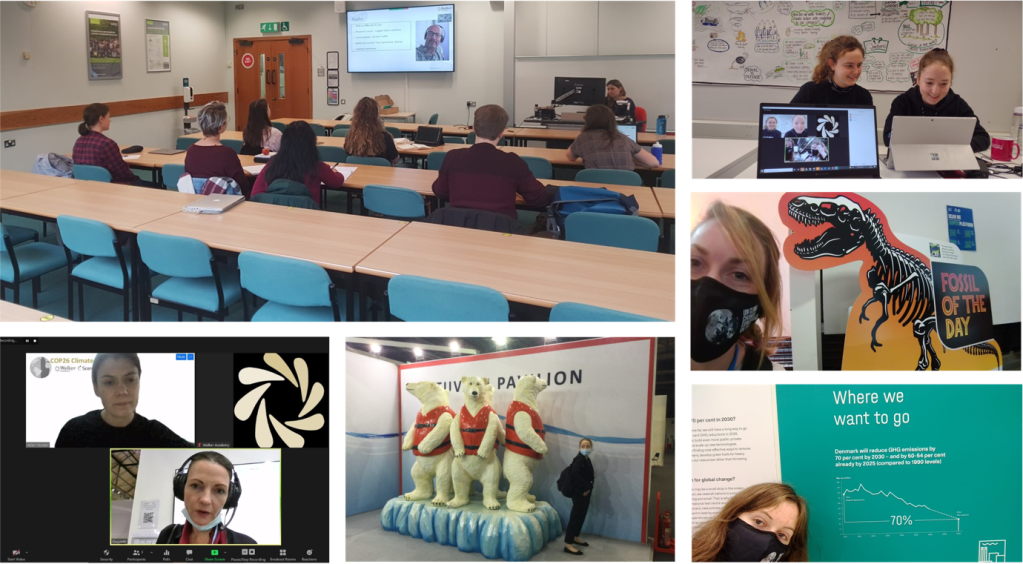
Figure 1: COPCAS in action.   

Motivation, training and week 1 

Personally, I wanted to learn more about the COP process and to understand climate policy implementation and action (or lack thereof). I was also interested to learn more about anticipatory action and forecast based financing, which relate to my research. After spending 18 months working remotely in my kitchen, I wanted to meet other students and improve formulating and asking questions! I found the initial training reassuring in many ways, especially finding out that so many people have dedicated themselves to drive change and find solutions. During the first week of COP26 we heard about so many positive efforts to combat the climate crisis from personal actions to community schemes, and even country wide ambitious projects such as reforestation in Costa Rica. A momentum seemed to be building with pledges to stop deforestation and to reduce methane emissions.

Green Zone visit 

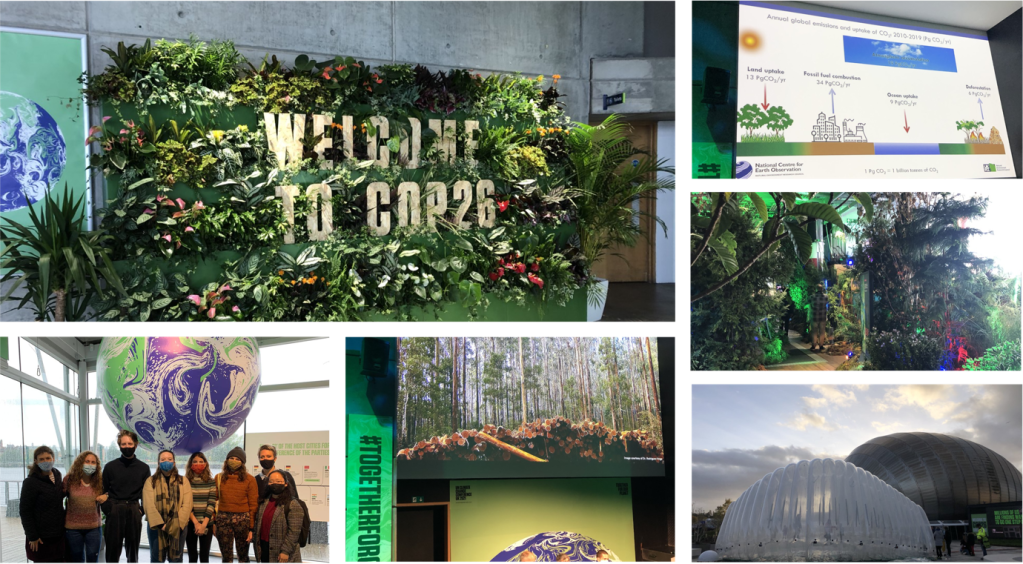
Figure 2: Green Zone visit included a weekend full of exhibitors, talks, films and panel discussions plus a giant inflatable extracting COvia bouncing!

During the middle weekend of COP26, some of us visited the Green Zone in Glasgow. This was a mini version of the Blue Zone open to the public and offered a wide variety of talks and panel discussions. Stand out moments for me: a photograph of indigenous children wearing bamboo raincoats, measuring the length of Judy Dench’s tree, the emotive youth speakers from Act4Food Act4Change and the climate research documentary Arctic Drift where hundreds of scientists onboard a ship carried out research whilst locked into the polar winter ice-flow.  

COPCAS Blog 

During COPCAS I wrote blogs about: a Green Zone event from Space4climate, an interview by Kerry Smith with SEAChange (a community-based project in Aberdeenshire aiming to decarbonise old stone buildings) and Sports for climate action. I also carried out an interview arranged by Jo with WWF on a food systems approach to tackling climate change.

Ultimately though, the elephant in the large COP26 Blue Zone room had been there all along…

Interview with Anne Olhoff, Emissions Gap Report (EGR) 2021 Chief scientific editor and Head of Strategy, Climate Planning and Policy, UNEP DTU Partnership.

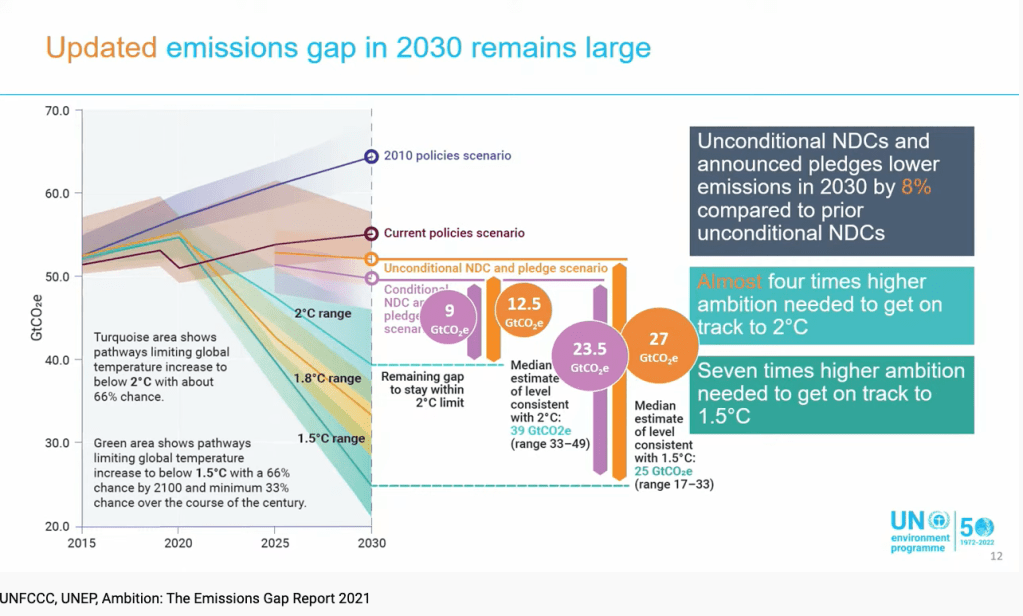
Figure 3: Source: UNEP Emissions Gap Report 2021 updated midway through week two of COP26 accounting for new pledges. 

Time is running out, midway through the second week of COP26, the United Nations Environmental Partnership (UNEP) presented its assessment on the change to global temperature projections based on the updated pledges so far agreed in Glasgow.  

Pledges made prior to COP26 via Nationally Determined Contributions (NDCs) put the world on track to reach a temperature increase of 2.7C by the end of the century. To keep the Paris Agreement of keeping warming below 1.5C this century, global greenhouse gas emissions must be reduced by 55% in the next eight years. At this point in COP26, updated pledges now account for just an 8% reduction – this is 7 times too small to keep to 1.5C and 4 times too small to keep to 2C. Updated projections based on COP26 so far now estimate a temperature rise of 2.4C by 2100. Net-zero pledges could reduce this by a further 0.5C, however plans are sketchy and not included in NDCs. So far just five of the G20 countries are on a pathway to net-zero.

Anne’s response regarding policy implementation in law: 

“Countries pledge targets for example for 2030 under the UN framework for climate change and there’s no international law to enforce them, at least not yet. Some countries have put net-zero policies into law, which has a much bigger impact as the government can be held accountable for the implementation of their pledges.” 

Following my own shock at the size of the emissions gap, I asked Anne if she feels there has been any positive changes in recent years: 

“I do think we have seen a lot of change, actually…the thing is, things are not moving as fast as they should. We have seen change in terms of the commitment of countries and the policy development and development in new technology needed to achieve the goals, these are all positive developments and here now, changing the whole narrative, just 2 years ago no one would have thought we’d have 70 countries setting net-zero emission targets…we are also seeing greater divergence between countries, between those making the effort to assist the green transition such as the UK, EU and others, and those further behind the curve such as China, Brazil and India. It’s important to help these countries transition very soon, peaking emissions and rapidly declining after that.”   

I asked Anne how countries on track can support others: 

“A lot of the great things here (at COP) is to strengthen that international collaboration and sharing of experiences, it’s an important function of the COP meeting, but we need to have the political will and leadership in the countries to drive this forward.” 

Summary 

The momentum that was apparent during the first week of COP26 seemed to have stalled with this update. Despite the monumental effort of so many scientists, NGOs, individuals and those seeking solutions from every conceivable angle, the pledges made on fossil fuel reduction are still so far from what is needed. And at the final hour (plus a day), the ambition to ‘phaseout’ burning coal was changed to ‘phasedown’ and the financial contributions from developed nations pledged to cover loss and damage to countries not responsible for, but impacted now by climate change, have not been realised. I think this is the first time I have really felt the true meaning of ‘climate justice’. Perhaps we do need a planet law, as it seems our political leaders, do not have the will.

Overall, the COPCAS experience has been enjoyable, slightly overwhelming and emotional! It has been great to work together and to share the experiences of those in the Blue zone. It was also an amazing learning experience; I think I have barely touched the surface of the entire COP process and I would still like to understand more.

Climate Science and Power 

Gabriel M P Perez – g.martinspalmaperez@pgr.reading.ac.uk 

Introduction  

Climate science, especially climate-change science, is increasingly becoming a source of power in society and integrating politics. As an academic in meteorology, I started realising how possibly other scientists and I rarely think about how our profession fits in the power networks that constitute politics; on the contrary, it seems that we often think about our scientific outputs as something detached from the wheels of history.  

In this essay, I paint a picture of how climate science relates to the main sources of power in the civic sphere by building upon some of my recent readings in history of ideas and philosophy. I also discuss a few past and recent instances where alleged “apolitical” scientific discourse was moulded to support politics of domination and exclusion. By better understanding the relationships of power surrounding our science, we can be more confident that our scientific outputs will contribute more positively to society at large.  

The participation of climate-change science in politics is not exactly new: it has existed for at least three or four decades. However, up until the early 2010s, the hypothesis of anthropogenic global warming still faced a few challenges in the scientific realm. Perhaps the last of these challenges was the alleged 1998-2014 warming hiatus – climate scientists had to answer to the public and come to an agreement as to why the increase in global temperatures appeared to halt. Now, in the second decade of the 21st century, anthropogenic warming is a consensus and the most relevant contenders of climate science are found in the political realm. 

Historical background

In the seminal text “A discourse on the method of correctly conducting one’s reason and seeking truth in sciences”, Descartes proposes a method of pure reason to conduct scientific research. He proposes that the inquisitive individual should start by forgetting everything he learned and start deriving basic truths from simple logical statements and build up from that to provide scientific answers to more complex questions using “pure reason”. This text was one of the starting points of a scientific revolution and helped build the bases of modern science. Although epistemology quickly moved on from the Cartesian thought, it still affects the way we do science. After years in academia, trained scientists grow to believe that their scientific outputs are disconnected from the other spheres of society and the networks of power. This “apolitical” mindset will then affect, for example, our ideas, hypotheses and communications regarding climate change.  

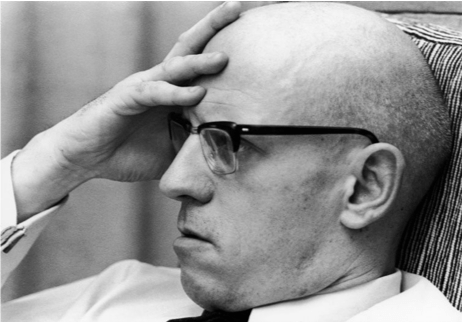
The historian of ideas Michel Foucault in his book “The Order of Things”, deconstructs the idea that the scientific discourse is independent of the surrounding socio-economic environment. He argues that the scientific discourse is inherently tied to the “lenses” by which scientists of a certain time are capable of analysing the physical world. Foucault calls these lenses “epistemes”. The epistemes are the ways of thinking in each stage of history that define what is acceptable scientific discourse. Let us take Descartes’ Discourse as an example of that: the author lived in a highly religious time, and, although in Parts 1 to 3 of the Discourse he describes his method of “pure reason”, in Part 4 he employs his method to argue for the existence of God: this would not be acceptable scientific discourse in the 21st century. Therefore, even the brightest minds are subject to having their scientific discourse shaped by the epistemes of their time. 

For some scientists, accepting that our science is shaped by factors outside of the realm of pure reason may be uncomfortable. However, embracing our episteme and the historical forces that drive scientific paradigm shifts may aid us in producing and communicating science in ways that are more likely to impact society positively; this could also help prevent distortions and misuses of the power stemming from our science.

For example, the scientific consensus has been distorted in the past to provide an intellectual background to the darkest side of environmentalism: “ecofascism”, a political model that, in the early 20th century, used environmentalism to justify white supremacy and genocide of indigenous peoples (see the New Yorker article “Environmentalism’s Racist History” by Jedediah Purdy). Sadly, such distortions of environmental sciences are not buried in the past, on the opposite, they are gaining popularity in certain extremist groups (Lawton, 2019; Taylor, 2019) and even influencing today’s politics: the Portuguese ecofascist party was an important early supporter of the current Brazilian president Jair Bolsonaro, whose policies are ironically accelerating the deforestation of the Amazon rainforest (Pereira, 2020). In United States politics, we have recently seen in the media the eco-fascist “shaman” invading the White House after Donal Trump’s defeat. 

The power relations of climate science 

Power can be defined as the ability to have others do as you would. Evoking Foucault one more time, there are two kinds of power: the repressive and normalising power. Repressive power is a second-rate type of power that requires the use of force to control the actions of others.  Normalising power, on the other hand, is silent, non-aggressive, and much more effective than repressive power. Normalising power controls what other people want. If you have normalising power over others, they will do as you would because you have succeeded in making them want the same as you. As climate researchers, our scientific output is a growing source of normalising power. More and more people and governments want to do what climate science says is better for life on Earth. Therefore, “power” hereafter refers to “normalising power”. 

Power is present in all spheres of human relations (e.g., family, workplace and institutions). Here we will discuss power in the civic sphere, i.e., the power of having groups of people or societies do as you would. The civics educator Eric Liu suggests that power emanates from six sources. Here, I list four of these sources that I deem most relevant to climate science and discuss some ways that they relate to it: 

  1. Ideas Ideas, hypotheses and theories about the physics, impacts, mitigation and adaptation of climate change emanate almost exclusively from academia.  This directly places climate scientists from top institutions as raw sources of power that shape how people and governments think, behave and act towards climate change.  Combining David Hume’s proposition that ideas come from the impressions one has had throughout their lives and Foucault’s theory of epistemes, we may come to the conclusion that this source of power (i.e., scientific ideas) might not be as purely rational as one might have hoped. 
  2. Wealth Since ideas stem from academia, it is important to remember that most top institutions are in the wealthy nations of the Global North. Moreover, most scientists in these institutions were born and raised in the same wealthy nations. Naturally, the bulk of scientific outputs, both in terms of results and communications, are tied to the episteme, or “ways of thinking”, of this particular set of scientists.    Wealth is also related to science through the sources of research funding. Decisions regarding the allocation of research funds are often made by boards composed by either: 
  • Scientists in wealthy countries or 
  • Influential individuals outside academia 

A controversial example of B is the influence that Bill and Melinda Gates, through their foundation, exert over the World Health Organisation, having a disproportionate influence on scientific and public health decisions (Wadman, 2007). The issue is that Bill and Melinda’s suggestions are often not aligned with the public’s best interest or the scientific consensus, but rather with the personal motivations of these individuals. The power of wealth in climate-related negotiations is further evidenced when we notice that ideas such as climate debt (Warlenius, 2018) are typically ignored by current and former imperialist nations. These ideas were advocated by Global South agents in the widely ignored “World People’s Conference on Climate Change and the Rights of Mother Earth” held in Bolivia in 2010. 

  1. Numbers Climate activists, when numerous enough, have the power to pressure or convince governments and individuals to act according their beliefs. These beliefs are largely based on climate-change scientific literature. Scientists sometimes also take a more direct approach and practise environmental activism of some sort. 
  2. State action Governments are themselves a source of civic power but also subject to the other sources of power (i.e., ideas, wealth and numbers). Democratic states, as representatives of the people, have the power to directly and indirectly influence climate change by reducing (or increasing) emissions, funding climate research, educating the future generations, and many others. The governmental action, in its turn, is constrained by law in states under “Rechtsstaat” (or “the rule of law”). This raises the question: are lawmakers, prosecutors, judges and other agents well equipped to make decisions around climate change? In the next decades, it is not hard to imagine climate scientists being consulted regarding climate-change litigation in national or international courts. A few weeks ago, for example, the Brazilian president Jair Bolsonaro was accused of crimes against humanity at the International Criminal Court; his policies were said to be “directly connected to the negative impacts of climate change around the world”. 

Conclusion 

In this essay, I have outlined and attempted to disentangle a few existing and emerging power relations around climate change. I argue that as climate scientists we are sources of power in society. Therefore, we should be aware of our own “ways of thinking”, or “epistemes”, and remember that these are driven by external factors. Those external factors have the ability to shape our ideas, hypotheses and communications regarding climate change. Being aware of our role in the complex network of power known as politics could maximise the positive impact of the power stemming from our scientific outputs. Hopefully, this awareness could help prevent this power from being misdirected to support politics of domination and exclusion. Moreover, as the impacts of climate change are increasingly damaging to life on Earth, it is likely that in the next decade’s climate scientists involve themselves with litigation in national and international courts of justice. It is, therefore, timely for us to be aware of our roles in all levels of politics. 

References and further reading

Descartes, Rene. A discourse on the method of correctly conducting one’s reason and seeking truth in science. 1637

Foucault, Michel. The order of things. 1966.

Lawton, Graham. “The rise of real eco-fascism.” New Scientist 243.3243 (2019): 24.

Pereira, Eder Johnson de Area Leão, et al. “Brazilian policy and agribusiness damage the Amazon rainforest.” Land Use Policy 92 (2020): 104491.

Purdy, Jedediah. Environmentalism’s racist history. The New Yorker. 2015 https://www.newyorker.com/news/news-desk/environmentalisms-racist-history

Taylor, Blair. “Alt-right ecology: Ecofascism and far-right environmentalism in the United States.” The Far Right and the Environment. Routledge, 2019. 275-292.

Wadman, Meredith. “Biomedical philanthropy: state of the donation.” Nature 447.7142 (2007): 248-251.

Warlenius, Rikard. “Decolonizing the atmosphere: The climate justice movement on climate debt.” The Journal of Environment & Development 27.2 (2018): 131-155.

Eric Liu Ted Talk about civic power: https://www.youtube.com/watch?v=Cd0JH1AreDw

List of resources about climate debt: 

https://fascinated-soccer-ac0.notion.site/Climate-Debt-Resources-f7f24ce9a7344aa1a3e5290f853b6b4f

History of ecofascism: https://www.youtube.com/watch?v=FkhmP7yDWeY

Youth voices pick up the slack: MOCK COP 26

James Fallon – j.fallon@pgr.reading.ac.uk

This year’s Conference of the Parties (COP) should have taken place earlier in November, hosted by the UK in Glasgow and in partnership with Italy. Despite many global events successfully moving online this year, from film festivals to large conferences such as the EGU general assembly, the international climate talks were postponed until November 2021.

But young people around the world are more engaged than ever before with the urgent need for international cooperation in the face of the climate emergency. The Fridays for Future (FFF) movement has recorded participation since late 2018 of more than 13,000,000 young people, in 7500 cities from all continents. FFF has adapted to the covid-19 crisis, and on 25th September this year participants from over 150 countries took part both online and in the streets, highlighting the Most Affected People and Areas (MAPA).

Unimpressed by the delay of important climate talks and negotiations, students and youth activists from FFF and a multitude of groups and movements have initiated the MOCK COP26, a 2-week online global conference on climate change that mirrors the real COP.

“My country, the Philippines, is struggling. We don’t want more floods that rise up to 15 feet, winds that peel off roofs in seconds, the rain that drowns our pets and livestock, and storm surges that ravage coastal communities. We don’t want more people to die. We’re still a developing country that contributes so little to global carbon emissions yet we face the worst of its consequences. This is absurd! 

Angelo, Philippines
https://www.mockcop.org/why

Programme

Organisers have chosen five themes to focus on:

  1. Climate education
  2. Climate justice
  3. Climate resilient livelihoods
  4. Health and wellbeing
  5. Nationally Determined Contributions

Full programme here: https://www.mockcop.org/programme

Over a dozen academic support videos break down complicated topics such as “The Kyoto Protocol”, “Agriculture and Agribusiness”, and the “History of Climate Negotiation”. These videos are helping youth delegates and all participants to understand what happens at a COP summit.

Panel sessions have featured United Nations Youth Envoy Jayathma Wickramanayake, 9 year old Climate & Environmental Activist Licypriya Kangujam, and (actual) COP26 president Alok Sharma.

High Level Country Statements

A unique aspect of MOCK COP that I have been excitedly anticipating is the high level country statements; each a 3 minute speech given by youth climate activists representing their nation.

Mock COP26 is not dominated by big polluters as COP26 is. We believe that we need to amplify the people on the frontlines of climate change, which is why we will be aiming to, throughout Mock COP, uplift the voices of those from MAPA (Most Affected People and Areas) countries above those from the Global North. This is why Mock COP26 is special.

Jamie Burrell, UK
https://www.mockcop.org/today

Youth delegates have been encouraged to give speeches in whichever language they are most comfortable talking. At the time of writing, subtitles don’t appear to be fully functioning. However a large number of talks are given in English, and transcripts of all talks have been made available here: https://drive.google.com/drive/folders/1wnQUMt-rcD9XoKtg8YPWba_LZSf16qTD

I highly recommend setting some time aside to give these speeches a listen. Although the total number might put you off, it is very easy to jump in and out of talks. You can find videos embedded below, or on the official youtube channel.

Africa

Pick: Two youth delegates represent Morocco. Whilst Morocco has been ranked a role model for climate action, the reality of the country’s future is alarming. Globally the most affected are the least protected. It’s time for world leaders to protect everyone.

Americas

Pick: The delegate for Suriname explains risks faced as a Small Island Developing State (SIDS) with infrastructure near the coast. Suriname must implement climate adaptation whilst enhancing its legislation in forestry, mining, and agriculture.

Asia

Pick: Indonesia’s delegate opens with the stark warning that the country will lose 1500 of its islands due to rising sea levels by 2050. The high level statement includes calls to incorporate climate education into the national curriculum, and find ways to protect natural habitat. Indonesia has the 2nd biggest rainforest in the world, but currently has no agreed emissions reductions pathway.

Europe

Pick: Ireland’s youth delegates present a necessarily progressive 5 year plan to stick to the EU target of reducing emissions by at least 65% by 2030. The need for much stronger climate education, and providing access to affordable and sustainable energy, are among many other commitments.

Oceania

Pick: The year started with forest fires devastating large swathes of Australia’s natural habitats. Youth delegates want their nation to lead the world as a renewable energy exporter, and an overhaul of media rules to foster new diverse media outlets and prevent monopolies that currently stall climate action.

What is the hoped outcome?

With so many connected issues relating to the climate and ecological emergency, previous COPs have often seen negotiations stall and agreements postponed. The complexity of tackling this crisis is compounded by the vested interests of powerful governments and coal, oil, and gas profiteers.

But youth messages can be heard loud and clear at MOCK COP 26, reflecting the 5 themes of the conference.

We demand concrete action, not mere promises. It’s time for our leaders to wake up, prioritize the realization of the Green Deal, and cut carbon emissions. 

We won’t have more time to alter the effects of the climate crisis if we let this opportunity pass. The clock is ticking. The time for action is NOW. 

In the wake of covid-19 induced economic shocks, policy makers must ensure genuine green recovery that engages with ideas of global climate justice.

Youth delegate panels will continue over the weekend, working towards the creation of a final statement outlining their demands for world leaders. This will be presented to High Level Climate Action Champion for COP26 Nigel Topping, at the closing ceremony (12:00 GMT Tuesday 1st December)

PhD Visiting Scientist 2019: Prof. Cecilia Bitz

r.frew@pgr.reading.ac.uk

With thanks to all my helpers who enabled the week to go smoothly! Adam Bateson, Sally Woodhouse, Kaja Milczewska and Agnieszka Walenkiewicz

Each year PhD students in the Department of Meteorology invite a distinguished scientist to spend a week with us.  This year we invited Prof. Cecilia Bitz, who visited between the 28th-31st May. Cecilia is based at the University of Washington, Seattle. 

Cecilia’s research interests are the role of sea ice in the climate system, and high latitude climate and climate change. She has also done a lot of work on the predictability of Arctic sea ice, and is involved in the Sea Ice Prediction Network.

The week began with a welcome reception in the coffee area, introducing Cecilia to the department, followed by a seminar by Cecilia on ‘Polar Regions as Sentinels of Different Climate Change’. The seminar predominantly focused on Antarctic sea ice, and the possible reasons why Antarctic sea ice behaviour is so different to the Arctic. Whilst Arctic sea ice has steadily declined we have seen Antarctic sea ice expansion over the past four decades, with extreme Antarctic sea ice extent lows since 2016.

Throughout the week Cecilia visited a number of the research groups, including Mesoscale, HHH (dynamics) and Cryosphere, where PhD students from each group presented to her, giving a taste of the range of PhD research within our department. 

Cecilia gave a second seminar later in the week in the Climate and Ocean Dynamics (COD) group meeting, this time focusing on the other pole, ‘Arctic Amplification: Local Versus Remote Causes and Consequences’. Cecilia discussed her work quantifying the role of feedbacks in Arctic Amplification, how they compare with meridional heat transports, and what influence Arctic warming has on the rest of the globe.

cuteness_on_ice
Photo Credit: Cecilia Bitz

On Wednesday afternoon the normal PhD group slot consisted of a career discussion, with Cecilia. Cecilia shared some of her career highlights with us, including extra opportunities she has taken such as doing some fieldwork in Antarctica and working for the charity, Polar Bears International, her insights and advice from her own experiences, as well as about post-doctoral opportunities in the US. A few of my personal take-aways from this session were to try give yourself space to learn one new thing at a time in your career (e.g. teaching, writing proposals, supervising etc). Try to work on a range of problems, and keep your outlook broad and open to new ideas and approaches. Take opportunities when they appear, such as fieldwork or short projects/collaborations. 

A small group of PhDs also met with her on the Friday to have an informal discussion about climate policy. In particular about her experiences speaking to the US senate, being a part of the IPCC reports and about the role of scientists in speaking about climate change, and whether we have a responsibility to do so.

Thursday evening the PhDs took Cecilia to Zero Degrees (a very apt choice for a polar researcher!), and enjoyed a lovely evening chatting over pizza and beer. 

The week ended with a farewell coffee morning on Friday, where we gave Cecilia some gifts to thank her for giving us her time this week including some tea, chocolates, a climate stripes mug and a framed picture of us… 

All the PhDs had a great week. We hope Cecilia enjoyed her visit as much as we did!

GroupPhoto
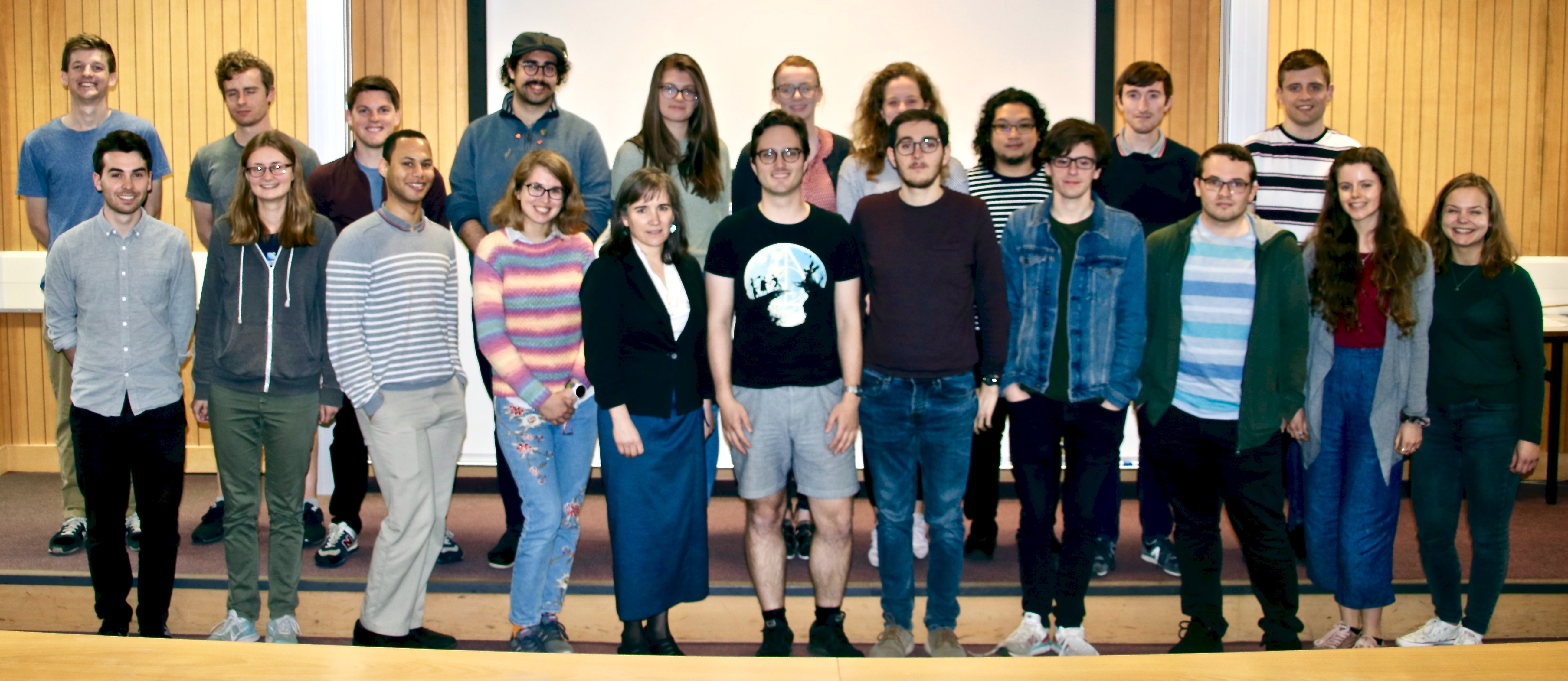
PhD students with Cecilia Bitz before the Careers Discussion.

A week at COP23

From the 6th -17th of November the UNFCCC’s (United Nation Framework Convention on Climate Change) annual meeting or “Conference of the Parties” – COP took place. This year was COP23 and was hosted by Bonn in the UN’s world conference centre with Fiji taking the presidency.

IMG_20171106_123155780

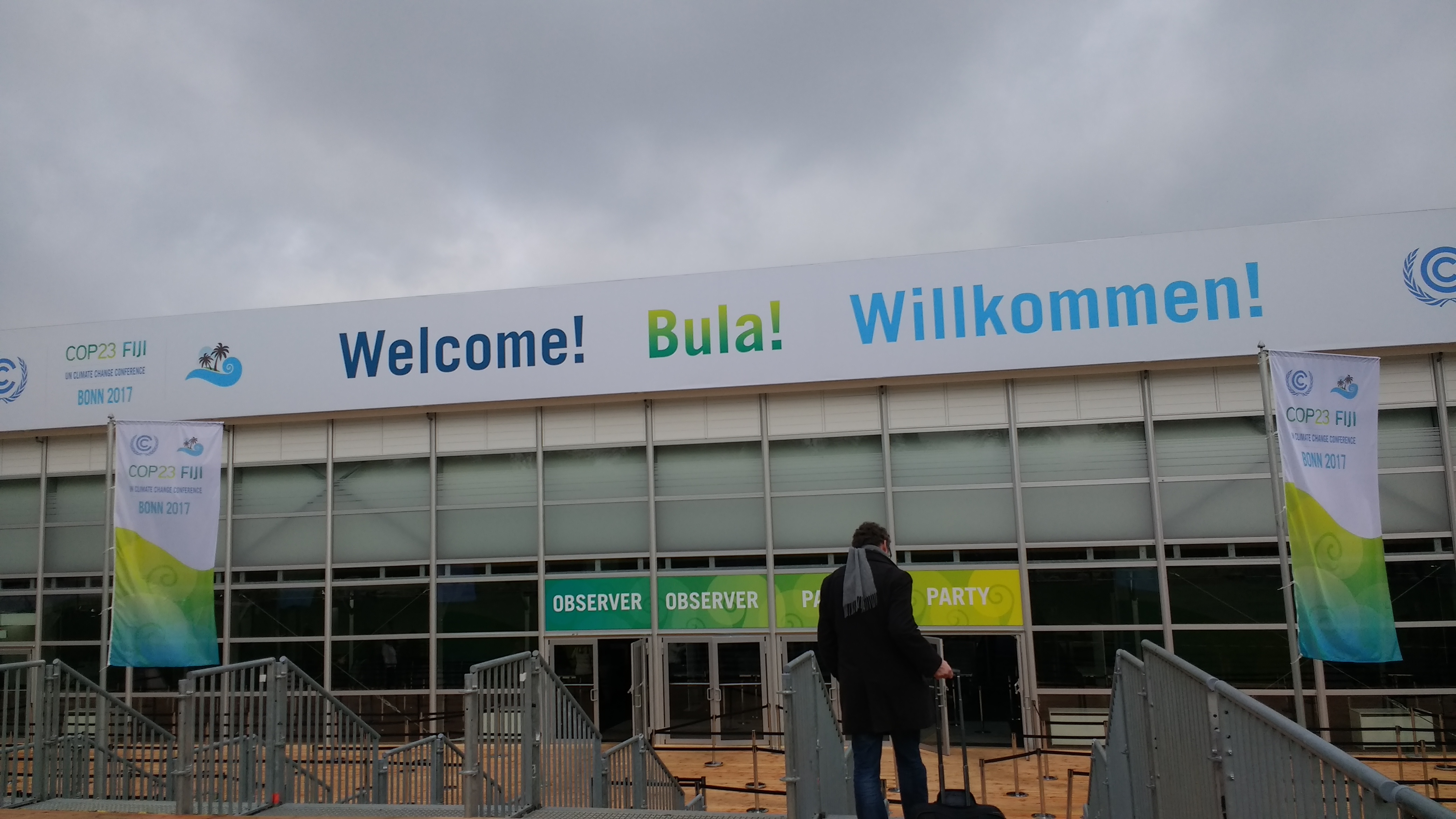
Heading into the Bonn Zone on the first day of the COP. The Bonn Zone was the part of the conference for NGO stands and side events.

As part of the Walker Institutes Climate Action Studio another SCENARIO PhD and I attended the first week of the COP while students back in Reading participated remotely via the UNFCCC’s YouTube channel and through interviews with other participants of the COP.

There are many different components to the COP, it is primarily the meeting of a number of different international Climate agreements with lots of work currently being done on the implementation on the Paris Agreement. However it is also a space where many different civil society groups doing work connected to or impacted by climate change come together, to make connections with other NGOs as well as governments. This is done in an official capacity within the “exhibition zone” of the conference and with a vast array of side events taking place throughout the two weeks. Outside of these official events there are also many demonstrations both inside and outside of the conference space.

Demonstrations in the Bonn Zone

As an observer I was able to watch some of the official negotiations. On the Wednesday I attended the SBSTA (Subsidiary Body for Scientific and Technological Advice) informal consultation on research and systematic observations. It was an illuminating experience to see the negotiation process in action. At times it was frustrating to see how picky it feels like the negotiation teams can be, however over the week I did have a newfound appreciation for the complexity of the issues that are having to be resolved. This meeting was based on writing a short summary of the IPCC report and other scientific reports used by the COP, and so was less politically charged than a lot of the other meetings. However this didn’t stop an unexpected amount of debate over whether to include examples such as carbon-dioxide concentrations.

One of the most useful ways to learn about the COP was by talking to the different people and groups who we met at COP. It was interesting to see the different angles with which people were approaching the COP. From researchers who were observing the political process, to environmental and human rights NGO’s trying to get governments to engage with issues that they’re working on.

Interviewing other COP participants at the Walker Institutes stand

A particular highlight was the ex-leader of the Green Party Natalie Bennett, she spoke with us and the students back in Reading about a wide range of topics, from women’s involvement in the climate movement to discussing my PhD.

Kelly Stone from Action Aid provided a great insight into how charities operate at the COP. She spoke of making connections with other charities, often there are areas of overlap between their work but on other issues they had diverging opinions. However these differences have to be put aside to make progress on their shared interests. Kelly also discussed how it always amazes her that people are surprised that everyone who attends COP does not agree on everything, “we’re not deciding if climate change is real”. The issues being dealt with at the COP are complex dealing with human rights, economics, technology as well as climate change. Often serious compromises have to be made and this must be done by reaching a consensus between all 197 Parties to the UNFCCC.

To read more about the student experience of COP and summaries of specific talks and interviews you can view the COP CAS blog here. You can also read about last years COP on this blog here.

Clockwise from top left: The opening on the evening of Monday 6th November showed Fiji leaving its own mark as the President of the conference. The Norwegian Pavilion had a real Scandi feel, while the Fiji Pavilion transported visitors to a tropical island.