Inside COP29

Thea Stevens – thea.stevens@pgr.reading.ac.uk

Juan Garcia Valencia – j.p.garciavalencia@pgr.reading.ac.uk

Introduction

Hi there! We are Thea (3rd year PhD) and Juan (2nd year PhD), and we had the privilege to attend Week 2 of COP29 at the end of last year. We thought it would be a good idea to write a blog as an accumulation of answers to the main questions we’ve encountered since coming back – we hope you enjoy reading about it and that it’s hopefully useful to anyone thinking of applying for this amazing opportunity next year! 
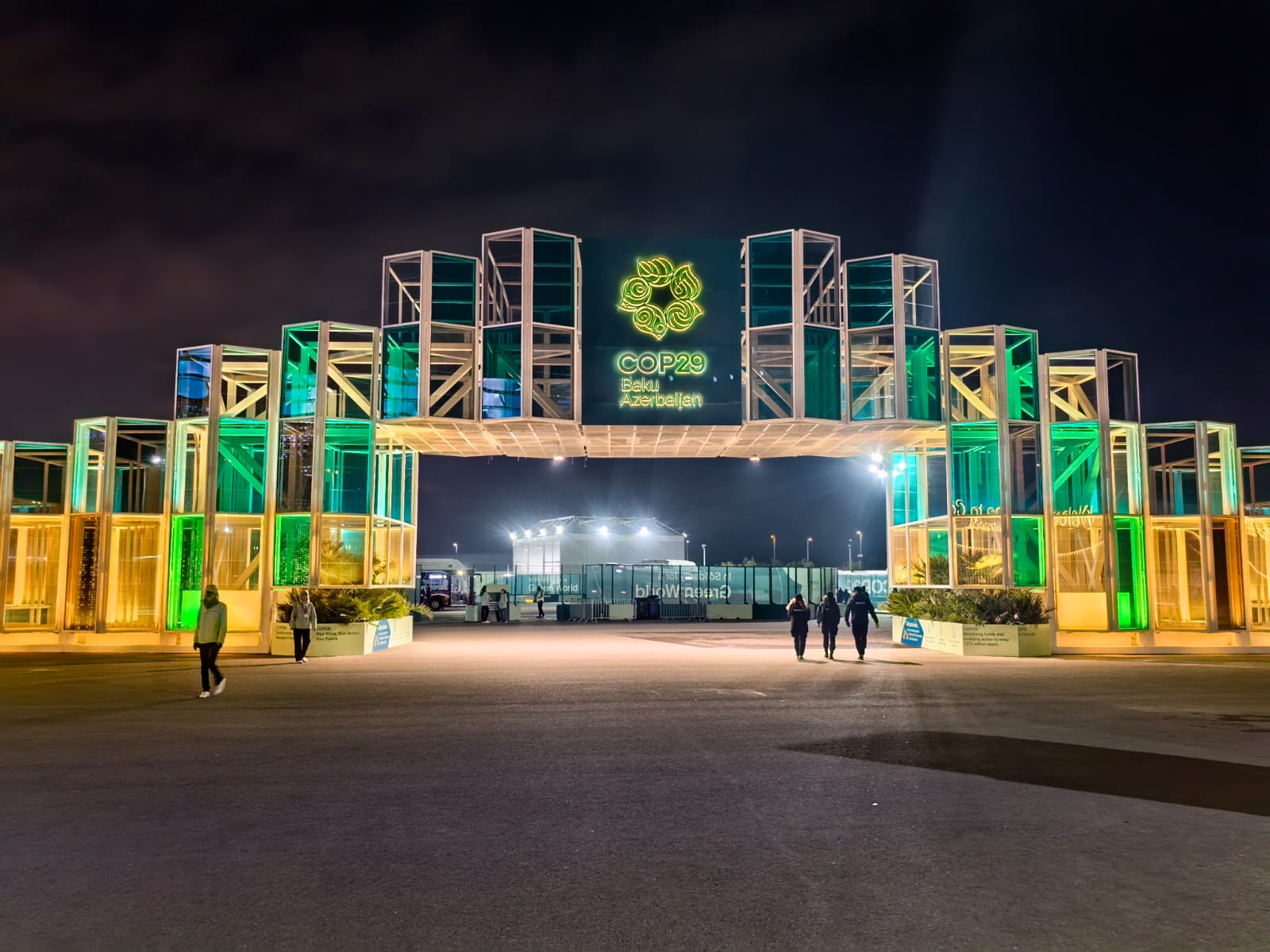
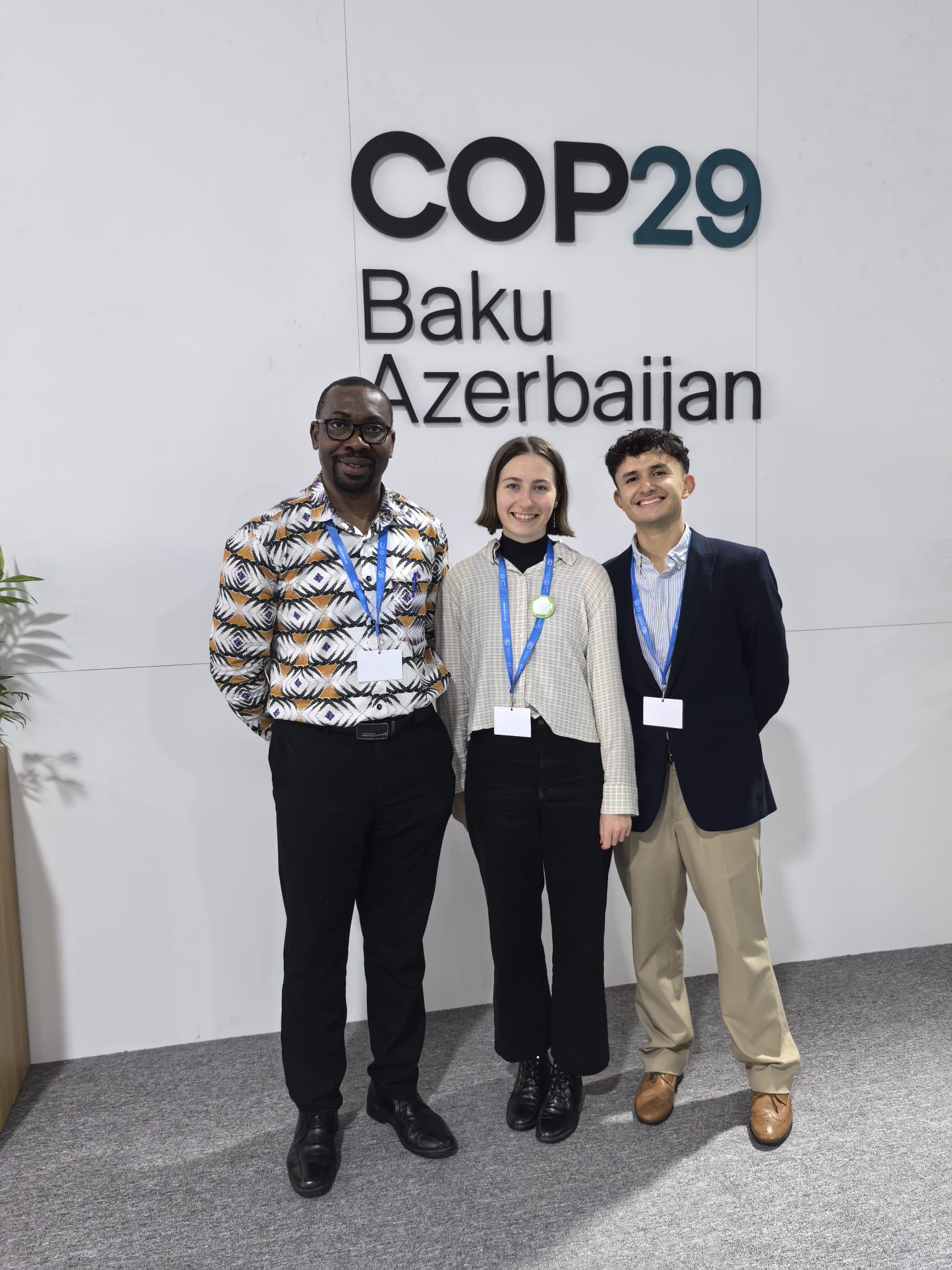
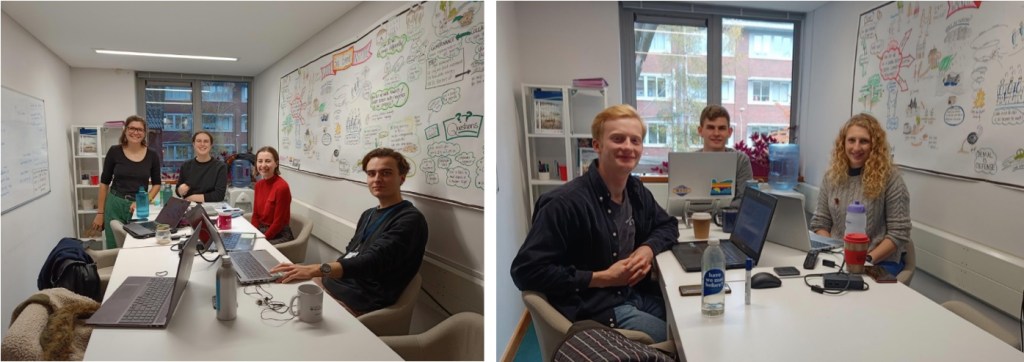
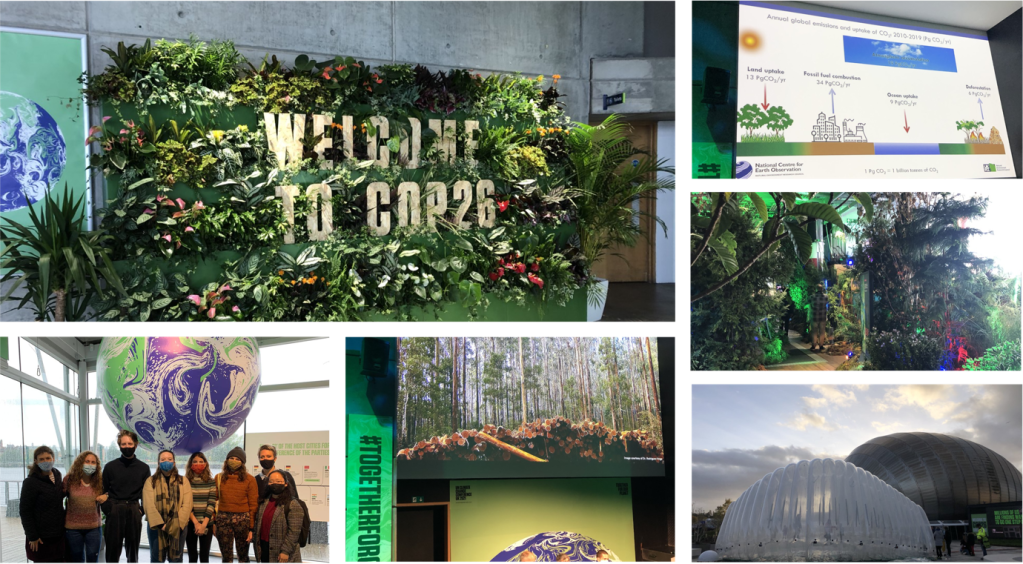
Picture 1, Entrance to COP29. Picture 2, Emmanuel Essah, Thea Stevens and Juan Garcia Valencia in COP29

Pre-COP 

What is COP29? 

COP29, the 29th Conference of the Parties, is the annual United Nations climate change conference and serves as the primary decision-making event under the United Nations Framework Convention on Climate Change (UNFCCC). Established by the treaty signed in 1992, COP brings together representatives from all UN member states and the European Union to address global climate challenges. This year, COP29 was held in November in Baku, Azerbaijan, drawing over 65,000 delegates from around the world, including diplomats, climate scientists, trade union leaders, and environmental activists. The event aims to negotiate effective strategies to combat the root causes of climate change. In essence, it’s the world’s largest and most significant gathering dedicated to climate action.

What were the expectations going into COP29?

Even before the summit began, COP29 was widely referred to as the “Finance COP” due to the prominence of one particular issue: climate finance. This term highlights the obligation of developed nations to provide financial resources to developing countries. These funds are intended to help nations build clean-energy systems, adapt to a warming world, and recover from disasters exacerbated by climate change. A significant focus of the negotiations and media coverage was the New Collective Quantified Goal (NCQG), a proposed climate finance target aimed at channelling resources to developing nations to combat climate change effectively.

However, discussions were also expected to extend beyond finance, addressing crucial topics such as Article 6 of the Paris Agreement, as well as strategies for adaptation and mitigation. We had the incredible opportunity to attend the second week of COP29—a pivotal stage of the process when ministers usually tackle the intricate details of agreements crafted in the first week, working to reach consensus. Heading into the conference, we anticipated hearing much more about the NCQG and its potential connections to other pressing climate issues.

Why did we apply to go?

“I decided to apply to attend COP29 due to the significance of geopolitical progress in ensuring that countries act in accordance with science. I think it is easy for us to forget the magnitude of what we study as meteorologists and climate scientists. To be able to follow how our scientific understanding shapes what actions are taken on a political scale feels important in order to put our work into context. I have also been following the progress of COPs for a long time – I was that geeky teenager in geography class who got a bit obsessed with the developments made there. So, on a more personal level, it also felt like a really exciting opportunity.” – Thea 

“My decision to apply for COP29 stemmed from a deep interest in the science-policy interface. As a PhD student researching monsoons and their variability with climate change, my work primarily involves analysing large datasets with the aim of crafting papers that can inform decision-making. While this scientific foundation is critical, I was eager to move beyond the confines of my computer screen and engage directly with the global climate community. This experience promised not only professional growth but also the chance to see firsthand how research and advocacy converge on the global stage so I knew I had to give it a go!” – Juan

What did we do in preparation? 

Having closely followed previous COPs and participated in COPCAS, we were familiar with the structure and nature of these conferences, which gave us a sense of what to expect. However, we knew that attending in person would be a completely different experience. In preparation, we undertook extensive training and courses. The Walker Institute’s help was invaluable, as they provided numerous opportunities to upskill and address our questions. They even arranged security training, given that we were heading to a politically sensitive region. Additionally, the IISD webinars were incredibly helpful in providing up-to-date insights on negotiation progress and key facts. Staying informed through these resources and keeping up with current news allowed us to approach the conference well-prepared and confident.

During COP 

What was the schedule like? 

The daily schedule at COP29 was intense. With only one week to make the most of the experience, our days were packed with meetings from 9:00AM – 6:00PM. We started each morning with the RINGO (Research and Independent Non-Governmental Organisations) meeting, which brought together members of the observer scientific community. These sessions provided a valuable space to discuss key themes and points of interest for the day, while also offering great networking opportunities.

The rest of the day was a whirlwind of press conferences, negotiations, and side events hosted by a wide range of organisations. Most events were open to all attendees, though some, particularly negotiations in the second week and high-profile press conferences (such as those featuring Antonio Guterres, Secretary-General of the UN!), were closed-door.

Another key aspect of our responsibilities was meeting twice daily with our team back at the Walker Institute. These sessions were a great chance to share our findings, report on the atmosphere on the ground, and receive valuable recommendations for upcoming events. More often than not, these check-ins also provided a much-needed energy and mood boost to keep us going through the busy days!

How did we decide on what to attend? 

Understanding the true scope of events and talks at COP took a while to get your head around. There is so much going on, and so much you could be going to it always felt like you were missing something. It was helpful to be able to think of the types of events you could go to into three different categories: the negotiations, the side events and the pavilion events. Each one of these had quite a different atmosphere, which was helpful to consider when deciding what to go to. 

The pavilions were basically a full conference on their own, with every country and NGO having their own elaborately decorated area. Talks here were slightly more informal and there was a wide diversity of topics. If you wanted to get some information on a more specific topic and also have time to talk with the people presenting this was the place to be. 

The side events were often more specific to the ongoing negotiations and included panel discussions and press conferences. These were often really exciting opportunities to get an update on the negotiations that we might not have been allowed to sit in on, and they often provided a more candid and emotive response to the developments. 

Lastly were the negotiations themselves. These were very slow and bureaucratic, but despite this, they were really fascinating to watch. It was what was going on in these negotiation rooms that really mattered to the outcome of COP! We had been given very good advice before we went to properly follow just one of the negotiation pieces so that you could understand how it was being shaped over time. However, as we attended the second week, the negotiations occurring behind closed doors increased more and more, and the agenda for these was constantly changing. We found it best to just jump on any opportunity there was to attend one of these as they became increasingly difficult to access. 

Having an overview of the different potential experiences in each of these parts of COP made it easier to asses what to go to and what might be interesting at any given time. 
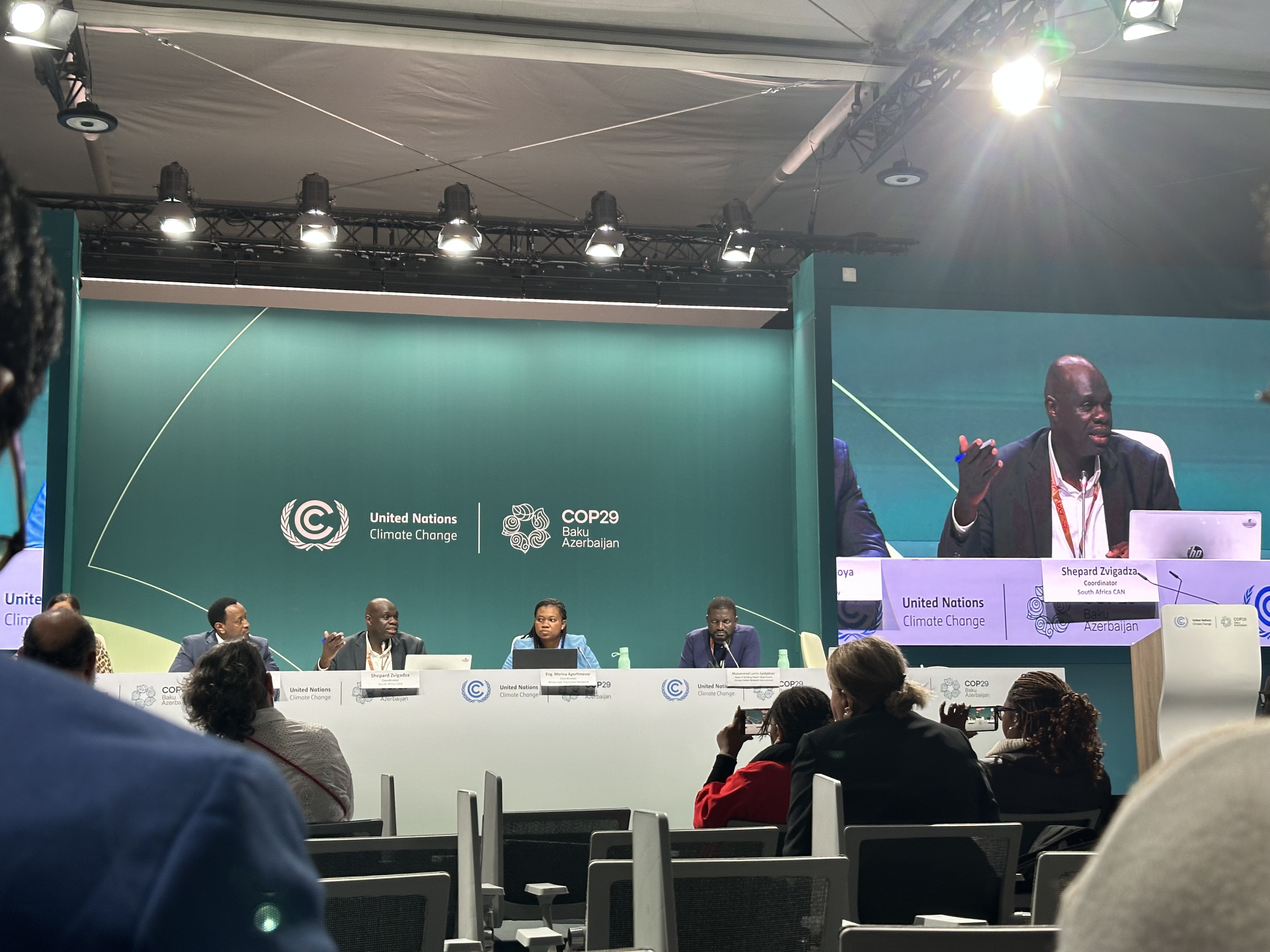
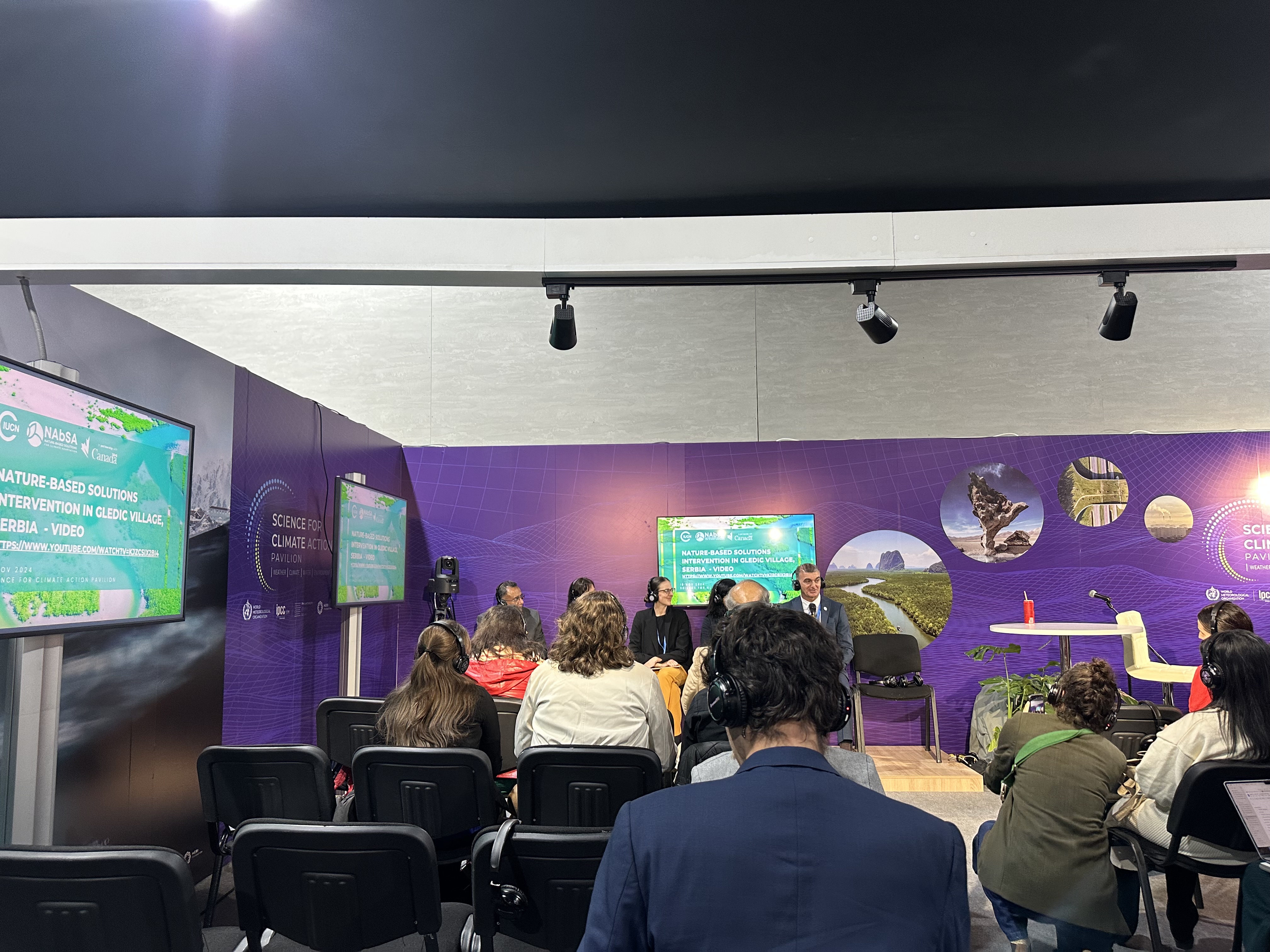
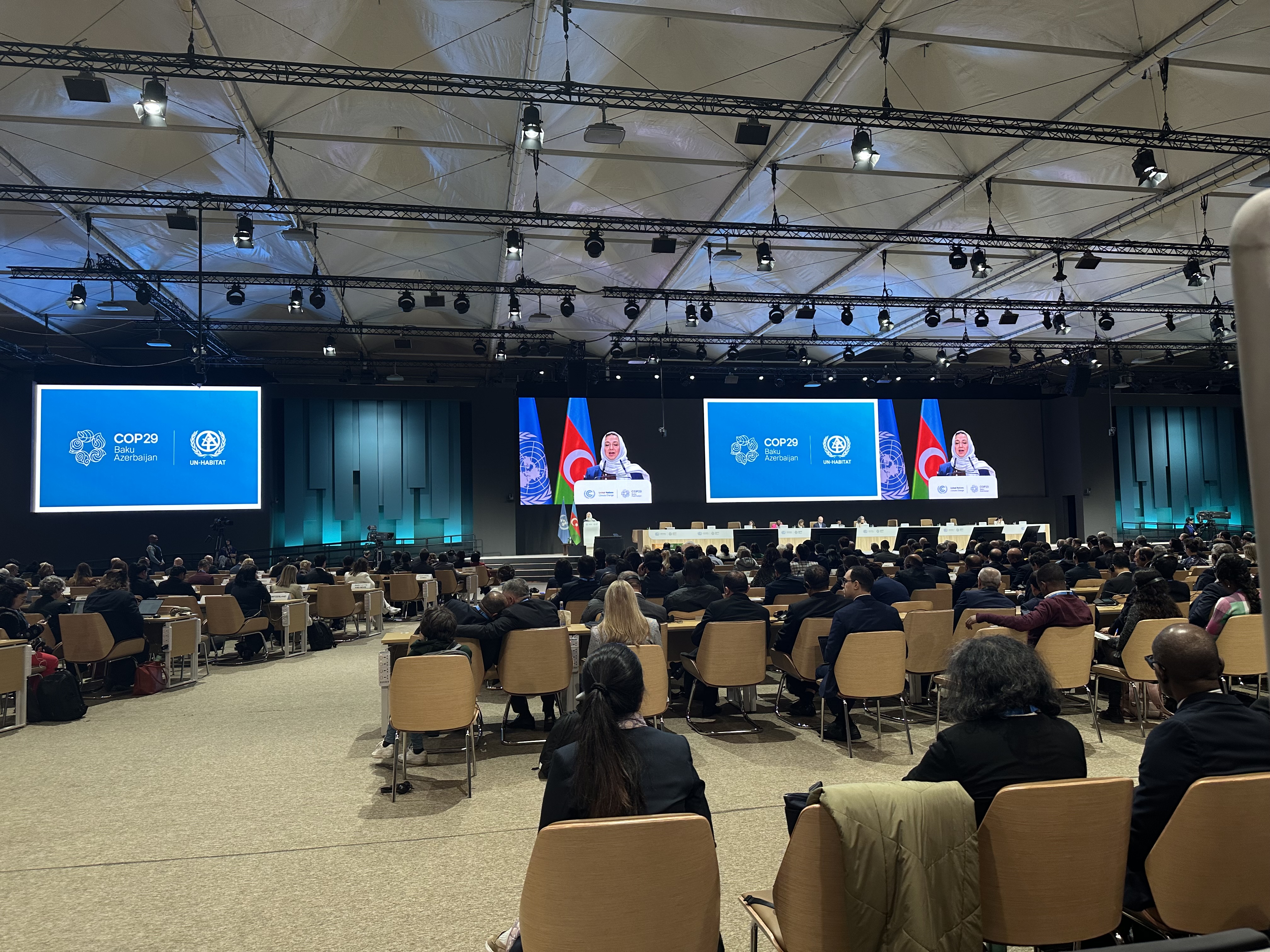
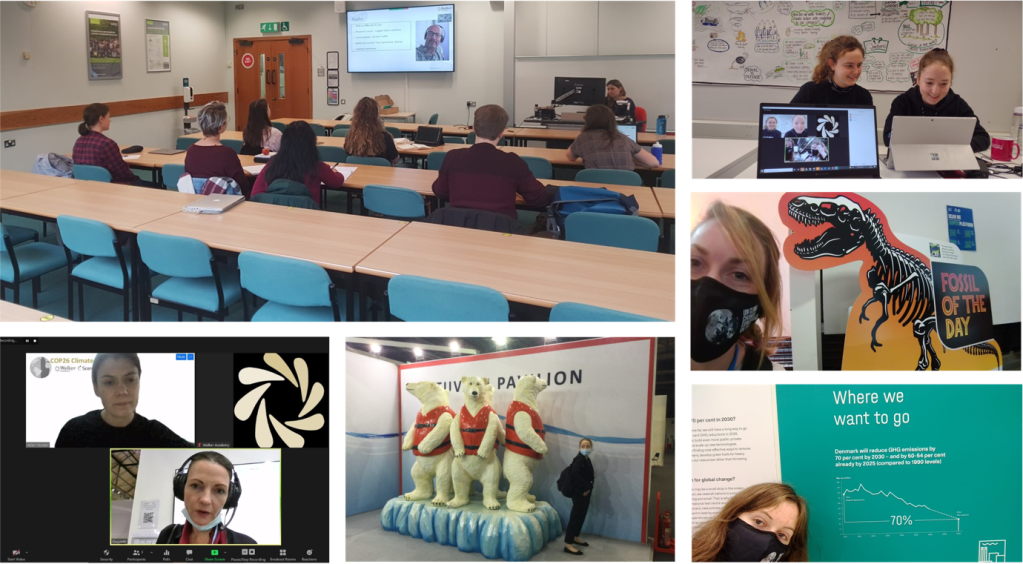
Picture 3, 4, and 5 show various events that happened in COP29, including a press conference, a science pavilion event and a plenary.

Who was someone interesting you met?

“While waiting in a queue to get into a negotiation, I met a delegate from an NGO based in South Africa. Through links to local religious groups, she helped guide communities to access climate-related financial aid. We discussed how amendments being made during different negotiations were having a direct impact on the accessibility of these funds. This provided a powerful reminder of how the negotiations had an impact on some of the most vulnerable communities not only in South Africa but all over the world. Having her watching and voicing opinions to negotiators between events provided a channel for these voices to be heard.” – Thea 

“Among the many incredible individuals I met, my interaction with two indigenous women from Chile left a profound impact. Their presentation on the consequences of lithium extraction in the Atacama Desert was both heartbreaking and inspiring. They spoke passionately about the devastating effects of privatized water and mineral resources, which have left their communities struggling with water scarcity and ecological exhaustion. Their unwavering determination to fight for their rights and protect their environment, despite significant challenges, was a powerful reminder of the human cost of unsustainable practices. Their story underscored the importance of amplifying marginalized voices in global climate discussions” – Juan

What is the role of the host country and how much influence do they have?

Hosting a COP entails significant responsibilities, including providing the facilities, security, and leadership required to ensure the summit’s success. In many ways, we were impressed by Azerbaijan’s efforts as the COP29 presidency. The facilities were well-prepared, and the transportation system was particularly noteworthy—clear, organised, and highly efficient, running seamlessly throughout the two weeks to help delegates commute to and from the conference centre with ease.

However, Azerbaijan’s selection as host sparked controversy from the moment it was announced at the end of COP28 in Dubai. One of the reasons was this it marked the third consecutive year that a petrostate was appointed to host the climate summit, raising concerns about potential conflicts of interest. This issue became a recurring theme throughout the conference, dominating discussions and even prompting high-profile criticisms. For example, Christiana Figueres, former UN climate chief, wrote an open letter during the first week, asserting that the COP process had become “no longer fit for purpose.”

By the second week, questions about the presidency’s ability to guide negotiations effectively were widespread. As the host country, Azerbaijan was expected to lead efforts to foster consensus among governments and non-Party stakeholders, particularly on critical issues like the NCQG and draft texts. Yet, progress was slow, and negotiations stretched into Saturday, further fuelling doubts about the presidency’s capacity to align its leadership with COP’s overarching goals.

Post-COP

What surprised you the most? 

“One of the most exciting and surprising things about COP was how accessible everything felt. As someone who wasn’t there for more than just to communicate what was happening to students at COPCAS, it felt really incredible that we were given access to the negotiations and all the plenary sessions. I obviously knew this was going to be the case before we went, but it was only really sitting when in on these events did I realise how unique of an opportunity this was.” – Thea

“One of the most striking aspects for me of attending last year’s COP was the incredible diversity of attendees, showcasing the universal impact of climate change and the essential need for broad representation in climate discussions. Among the most inspiring aspects was the strong presence of young people and activists, whose energy and commitment highlighted the vital role of the next generation in driving meaningful climate action” – Juan 

What do we think of the COP process? 

Going to COP and sitting in on the negotiations made the enormity of ambition and geopolitical complexity of bilateral agreements evident. Countries – with vastly different agendas and core beliefs – coming around a table trying to agree on something is an absurdly ambitious arrangement. Reducing fossil fuel consumption is unlike any another problem we face; their presence is pervasive in all of our lives. Fossil fuels are a bedrock of wealth and power in our global political economy. Despite alternative energies booming, and 2024 confirmed as the warmest year on record, this makes fossil fuels hard for the world to walk away from at the speed we need to do so. 

Whilst COP can be critiqued for being slow and disappointing, there remains hope in the vision of these bilateral negotiations. Given the increase in conflict and geopolitical instability these past few years, I left COP with an appreciation for the fact that there is still a negotiating table.

However, attending COP also brought to light how important it is to have ambitious domestic policies. COP will never really be the space where radical or big change will happen; this is instead the space where countries are all brought onto the same page. I think we left with more conviction that local politics and policies are where these larger changes need to happen.
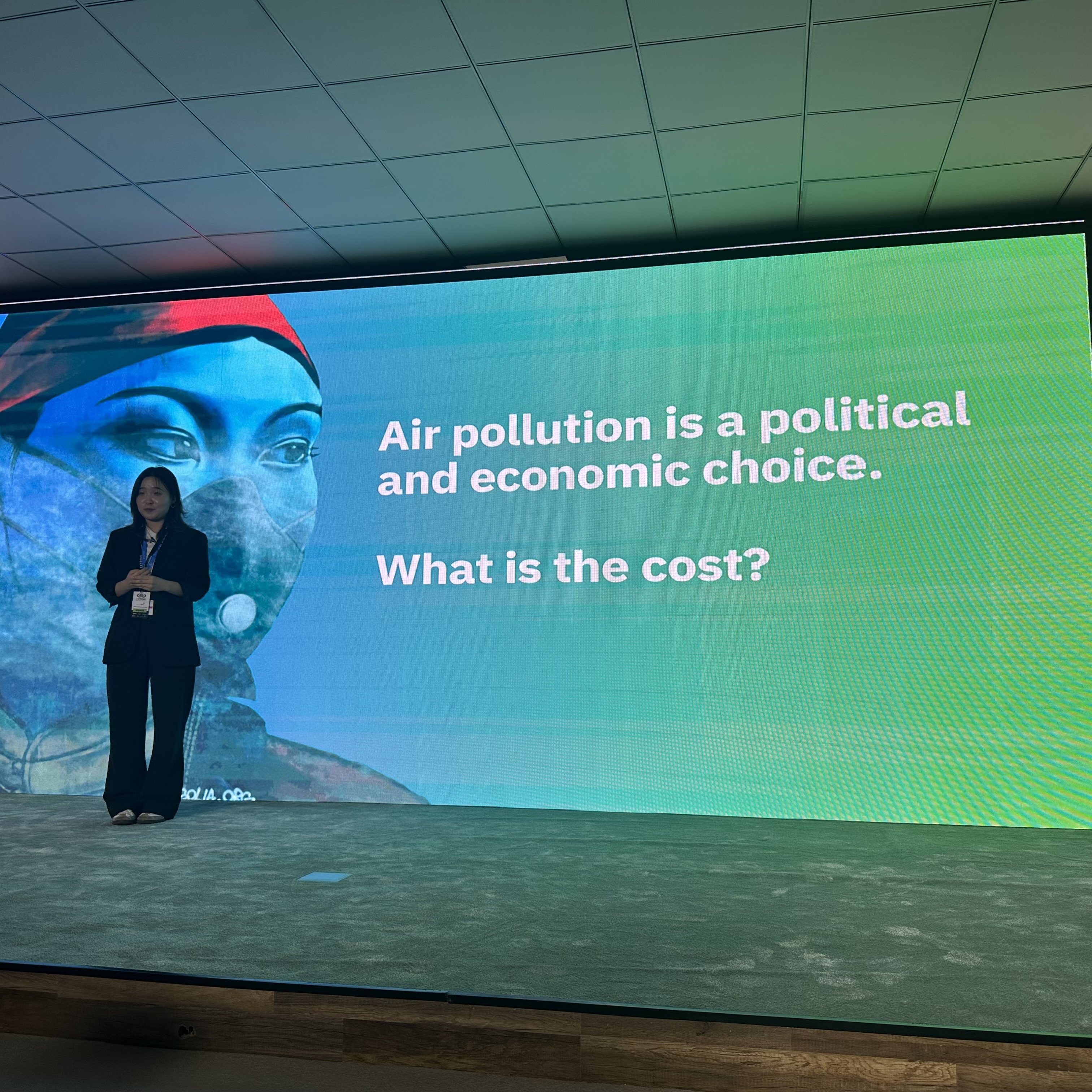
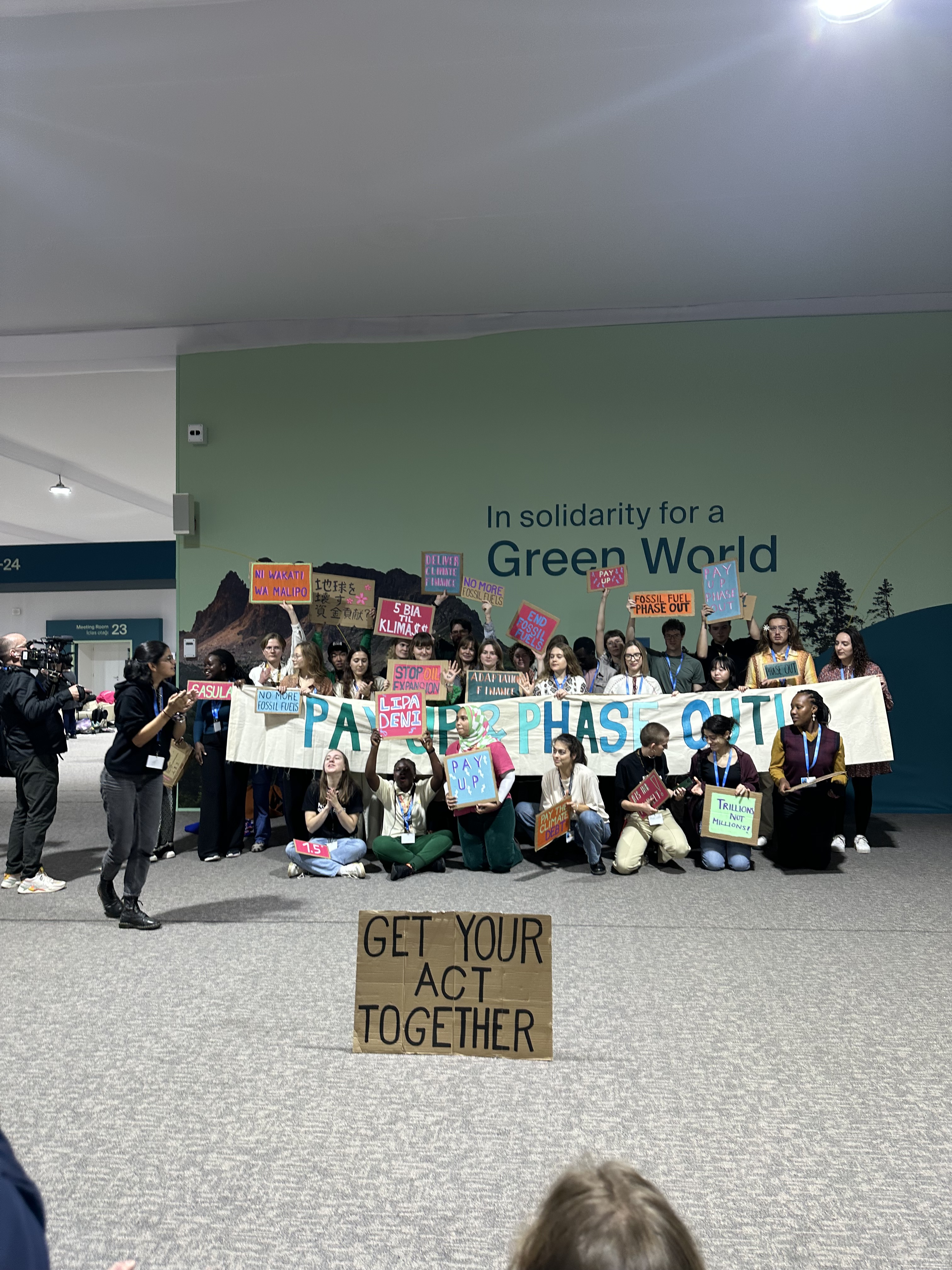
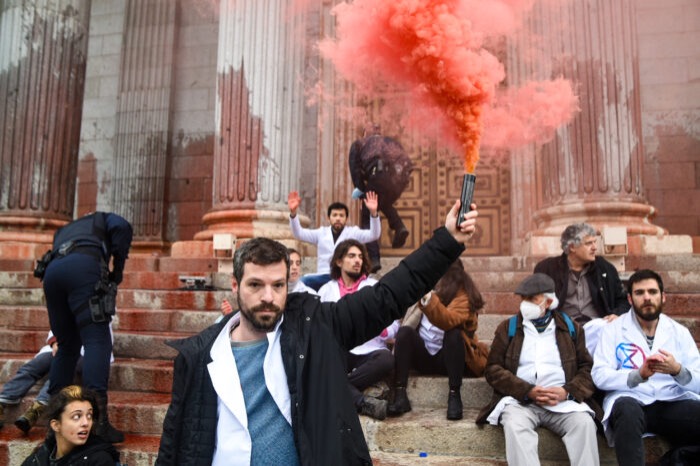
Picture 6, Powerful presentation by Enkhuun Byambadorji on Transforming Climate Narratives for Healthy. Picture 7, Organised protests by activists inside the Blue Zone.

Environments

What tips would you give to someone who is hoping to attend next year? 

  • Apply!! It’s an amazing opportunity both professionally and personally and it shouldn’t be missed. 
  • Wear comfortable yet formal attire. You will be walking around for most of the day but also meeting important and really cool people, so you definitely still want to look the part. 
  • Have business cards for networking 
  • Bring a power bank 
  • Practice your elevator pitch- in case you stumble across somebody interested in your research. 
  • Take lots of pictures!

Conclusion 

We wanted to end this blog by saying a massive thank you to the Walker Institute for their support in making this experience possible. Attending COP29 was a transformative journey that deepened our commitment to climate action and inspired us to continue advocating for a sustainable future.
Scientists Acquitted: Examining the Role of Consent in Climate Activism 

James Fallon – j.fallon@pgr.reading.ac.uk 

Ecosystem collapse and climate change threaten all of our futures. What power do scientists have to avoid this looming catastrophe? 

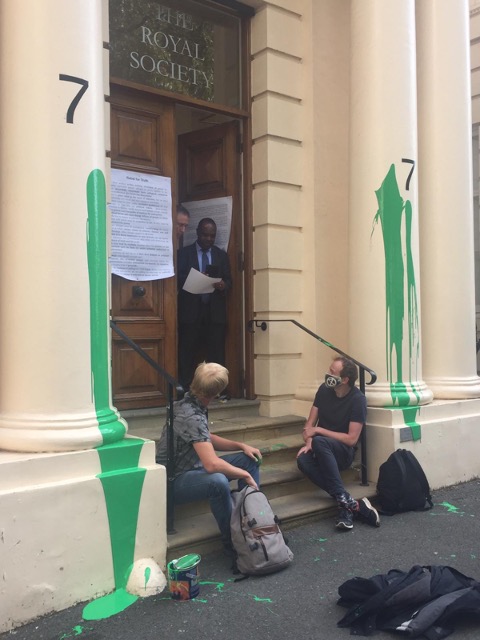
Last week, a jury at Southwark Crown Court heard statements from two scientists facing charges of criminal damage. They had taken action by calling on members of the Royal Society and the wider scientific community to engage in civil disobedience and non-violent direct action: to act as if the science is real, demonstrating a response commensurate with the catastrophic effects being predicted. 

Figure 1: In September 2020, Scientist Rebellion co-founders Mike and Tim took non-violent direct action at the UK’s most prominent scientific body, The Royal Society – source scientistrebellion.com

The defence rested on legal “consent”: that those working at the institute would, when confronted with the facts, consent to their actions. Had the Royal Society realised the potential of scientists to drive political change through activism, they would have agreed that the damage to their building was justified in pursuit of averting climate and ecological collapse. Dr. Tim Hewlett, astrophysicist, and Mike Lynch-White, former theoretical physicist, were unanimously acquitted on Friday.

Despite new bills being introduced to criminalise protests [1], and available legal defences being constrained, many court juries are in fact still finding climate activists not guilty for non-violent direct action .

In this blog post, I want to introduce some key ideas which explain the power and impact these types of protest can have when used by climate activists today.

Radical Intervention: What needs to happen?

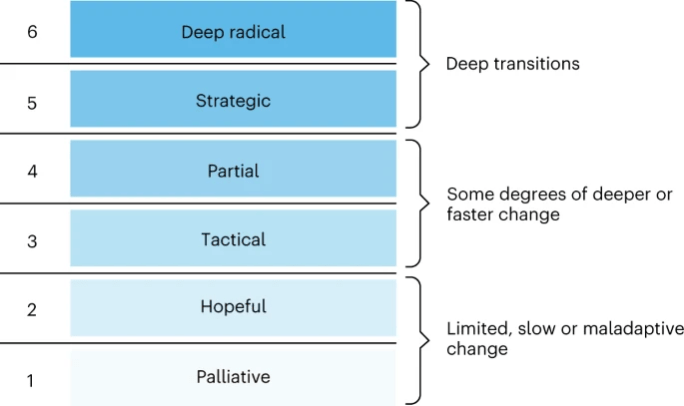
According to Morrison et al. 2020, “meaningful climate action requires interventions that are preventative, effective, and systemic – interventions that are radical rather than conventional” [2]. The term “radical” can assume different definitions, categorised in Figure 2:

Figure 2: Debates about radical intervention invoke at least six different interpretations of ‘radical’. These different interpretations can be viewed as a typology, with each type reflecting the extent to which the intervention disrupts the status quo to address the root drivers of climate change. – Morrison et al. 2022

Current approaches to address climate change focus on what may be considered category “1” and “2” interventions: avoiding systemic changes and focusing on “techno fixes” and soft economic changes (such as carbon accounting). To businesses and politicians, these approaches are often desirable and successful , because they can be rapidly implemented and offer hope. But many of these approaches can suffer from a lack of follow-up, loopholes, or may even inadvertently generate new environmental or social problems.

More radical intervention is challenging, because root drivers of climate and ecological breakdown are “deeply embedded in existing societal structures, practices and values at multiple scales, and manifest in diverse ways; including as constraints on women’s reproductive rights, through irresponsible practices of technological innovation and overconsumption, and via political obsessions with ‘small’ government”.

What might a “deep” (5 and 6) radical intervention look like? Changing our future course from one of climate collapse, to a resilient world will “require disruption of [overlooked drivers including] capitalism, colonialism and global inequality”. We should be actively questioning whether economic systems reliant on infinite growth are sustainable on a planet of finite resources, and then propose new systems that prioritise wellbeing and sustainable development within our planetary boundaries [3].

Legal Consent in Activism

Actions like throwing soup on Van Goghs, gluing a hand to a window, daubing institutions in paint may all seem disconnected from the issues protestors wish to highlight. But these actions put the focus on the absurdity of a system that has greater contempt for property damage than the knowing and wilful destruction of nature. A system where economic inequality is rising whilst the wealthiest individuals are the leading driver of emissions [4].

As Greta Thunberg says, “Our house is on fire”. Defending non-violent actions at the Royal Society and Shell’s London Offices, Dr. Hewlett used this metaphor in his closing statement:

“If I smashed a window to drag you from a burning building, most would consent to that damage; Shell has set our house on fire, and when people understand the full extent of their crimes they do not generally object to a splash of paint, they object to the crime of arson. And when scientists come to appreciate our potential to raise the fire alarm, they generally do not object to the non-violent means used to bring them to that understanding, in fact they are often grateful for having their eyes opened. In order to find us guilty, you must be sure that we did not honestly believe they might consent. If we did not honestly believe in consent, why would we even try to mobilise our community?”

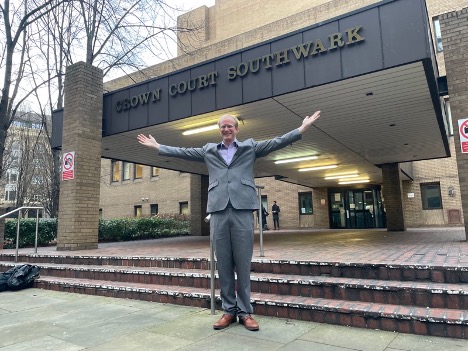
Figure 3: Dr. Tim Hewlett after being acquitted from the Royal Society Case – source: Scientist Rebellion

Although the argument of “consent” was successfully used to reach an acquittal in the case of the Royal Society, during the same trial and facing the same jury, Tim was found guilty of a similar protest at Shell [5]. The deliberations of a jury are known only to the jury members, so we cannot know for sure why this conclusion was reached. Tim is currently seeking legal advice. Out of 45 pieces of evidence against Shell only 2 were accepted by the judge (the rest were hidden from the jury). Expert witnesses were denied the opportunity to talk about Shell’s human rights abuses and the company’s failure to align with the Paris agreement.

Had Tim been allowed to make arguments relevant to his protest in the Shell case, it is likely that he would have been found innocent in this case as well.

“From Publications to Public Actions”: How do we accelerate systemic changes?

Given the urgency of climate and ecological emergency, Gardner et al. 2021 suggest that universities must “expand their conception of how they contribute to the public good, and explicitly recognise engagement with advocacy as part of the work mandate of their academic staff”, and outline how work models should be adapted to support this [6].

In the most read Social Metwork blog post of 2021 [7], Gabriel Perez wrote about how our own ways of thinking are influenced by external factors, and therefore there is a need for us to be aware of our roles as scientists across all levels of politics and society. By supporting and even taking part in different forms of protest, scientists can make uniquely important contributions.

It is possible to lend additional credibility to the demands of climate activists by supporting and engaging with movements. This can range from simply signing a letter, to joining in with “low-risk” activities such as talking about these movements with friends and colleagues, joining in with marches, or engaging in outreach activities. We can even join in provocative non-violent direct actions which may pose risk to our liberty (although not everyone is as equally comfortable to do this, with potential visa issues, childcare commitment, and financial struggles being some of the barriers activists may face).

Figure 4: Una rebelión necesaria: Aprill 2022, Scientists take non-violent direct action at the Spanish congress asking for recommendations of the scientific community to become legally binding objectives with institutional mechanisms that guarantee the real participation of citizens – source: rebelioncientifica.es

As scientists, we each have a powerful toolkit to use in activism: we are trained in statistics and comprehension of complicated reports; we present our findings to different audiences; we might have experience publishing, maintaining websites, communicating across sectors, teaching. These are all valuable skills for activists to have, and we have many of them at once!

Climate activists are sometimes depicted as dangerous radicals. But, the truly dangerous radicals are the countries that are increasing the production of fossil fuels. (António Guterres, UN Secretary-General)

Closing thoughts

Climate and ecological collapse pose existential risks to humanity. If we are to avert the worst effects, and place ourselves in a position best able to support the most impacted, then we need to rethink the purpose of our societies.

Taking non-violent direct action sparks controversy, and is shocking. But as a disruptive tactic, it is successful at initiating debate.


[1] Anita Mureithi 2023 “Scrap plans to give cops more power, say women as David Carrick jailed for life” OpenDemocracy news https://www.opendemocracy.net/en/public-order-bill-metropolitan-police-david-carrick-protest

[2] Morrison, T.H., Adger, W.N., Agrawal, A. et al. Radical interventions for climate-impacted systems. Nat. Clim. Chang. 12, 1100–1106 (2022). https://doi.org/10.1038/s41558-022-01542-y

[3] Doughnut Economics Action Lab – About https://doughnuteconomics.org/about-doughnut-economics

[4] Oxfam “Survival Of The Richest: How We Must Tax The Super-Rich Now To Fight Inequality” 2023 https://www.oxfam.ca/publication/davos-report-2023

[5] Rikki Blue, “Listen to the science. Civil disobedience by 1000 scientists.”, Real Media https://realmedia.press/listen-to-the-science

[6] Gardner, C.J, Thierry, A., Rowlandson, W., Steinberger, J.K. From Publications to Public Actions: The Role of Universities in Facilitating Academic Advocacy and Activism in the Climate and Ecological Emergency. Frontiers in Sustainability. 2, 2022. https://doi.org/10.3389/frsus.2021.679019

[7] Gabriel Perez, Climate Science and Power, The Social Metwork https://socialmetwork.blog/2021/11/05/climate-science-and-power


COP27 – An oasis in the heat of the climate change emergency, or a deserting of hope?

Rosie Mammatt – r.m.mammatt@pgr.reading.ac.uk

Thea Stevens – thea.stevens@pgr.reading.ac.uk

Sitting in the COPCAS studio in the University of Reading we were able to watch the numerous talks and panels taking place each day. This allowed us to tune into the different discussions surrounding topics from the role of civil society to the importance of biodiversity, giving us a unique insight into the proceedings of the conference. Through our team of people attending the conference, we were able to interview those who were participating in the negotiations, such as Robert Muthami, a climate and social justice advocate from Kenya. This gave us a gauge of what the atmosphere was like within the discussion and negotiation rooms. This left us with mixed emotions nearly 4000 miles away in Reading…

Left: Thea with her team in the Climate Action Studio on Energy and Civil Society Day. Right: Rosie with her team in the Climate Action Studio on the opening day of COP27.

“Human actions are the cause of this problem, so human actions must be the solution”. These were the words spoken passionately by UN Secretary-General António Guterres during the World Leaders Summit on the opening day at COP27. Similarly rousing speeches followed from world leaders and delegates who highlighted the challenges their countries are facing due to the climate emergency. The tone was set as one of desperation.

A large focus this year was on loss and damage. Talking to some of the negotiators towards the middle of COP showed us the struggle which was occurring behind the scenes. However, this ended up as one of the more positive outcomes of COP27 as an agreement on the creation of a global “loss and damage” fund. This is a historic milestone, and something that the most vulnerable nations have been seeking for decades. This is great progress. However, it is the beginning of a long process which is going to have to unpick who puts money into the fund and who is eligible to get money out. So, there is progress, but it is predictably slow meaning the hopes of the most vulnerable nations should not be pinned on this shaky agreement.

There have also been some critical backwards steps from Glasgow, with a number of important statements being removed from the final text. Alok Sharma put it clearly in his closing remarks:

‘Emissions peaking before 2025, as the science tells us is necessary.

Not in this text.

Clear follow-through on the phase down of coal.

Not in this text.

A clear commitment to phase out all fossil fuels.

Not in this text.

And the energy text, weakened, in the final minutes.’

This shows a clear and frustrating reduction in ambition that was fought over in the last COP.

Boosting low emission energy was also agreed upon in the final text. Unfortunately, there is some ambiguity around what “low emission energy” refers too. One would hope that this means renewable energy sources such as wind, solar, hydroelectric, tidal or wave power, or even nuclear power. However, it could also mean coal power stations with carbon capture capabilities or gas power. The “dash for gas” is something that should not be encouraged, as it must not be forgotten that gas is still a fossil fuel. Many gas-rich countries, however, sent officials to COP27 hoping to strike lucrative gas deals. Ultimately, this is not a viable solution for these nations and certainly not the right solution for the climate.

The whole event was overshadowed by an issue surrounding the lack of freedom to speak or peacefully protest. People on the ground in Sharm El-Sheikh said that this ominous feeling permeated the event as a whole. News after the arrest of hundreds of peaceful protesters and the misconduct by the Egyptian police showed the extent of the human rights crisis. Protesters will hope for fairer treatment next year, but due to its location are likely to be left disappointed.

COPCAS has allowed us to understand the mechanisms behind the negotiations and has shown how long and hard they are to achieve. However, the lasting feelings of COP27 are mixed. Progress has been made but it is slow and some key victories from previous COPs have been watered down. It feels like this might be the end of the 1.5oC dream. These talks are critical for our future and we should be seeing ambition, and more importantly, action at this time.

See all the bogs written during COPCAS:

https://walker.ac.uk/about-walker/news-events/

COP Climate Action Studio 2021 and a visit to the Green Zone, Glasgow  

Helen Hooker h.hooker@pgr.reading.ac.uk 

Introduction 

SCENARIO DTP and the Walker Academy offered PhD students the opportunity to take part in the annual COP Climate Action Studio (COPCAS) 2021. COPCAS began with workshops on the background of COP, communication and interviewing skills and an understanding of the COP26 themes and the (massive!) schedule. James Fallon and Kerry Smith were ‘on the ground’ in the Blue Zone, Glasgow in week 1 of COP26, followed by Gwyn Matthews and Jo Herschan during week 2. Interviews were arranged between COP26 observers, and COPCAS participants back in Reading who were following COP26 events in small groups through livestream. Students summarised the varied and interesting findings by writing blog posts and engaging with social media.

Figure 1: COPCAS in action.   

Motivation, training and week 1 

Personally, I wanted to learn more about the COP process and to understand climate policy implementation and action (or lack thereof). I was also interested to learn more about anticipatory action and forecast based financing, which relate to my research. After spending 18 months working remotely in my kitchen, I wanted to meet other students and improve formulating and asking questions! I found the initial training reassuring in many ways, especially finding out that so many people have dedicated themselves to drive change and find solutions. During the first week of COP26 we heard about so many positive efforts to combat the climate crisis from personal actions to community schemes, and even country wide ambitious projects such as reforestation in Costa Rica. A momentum seemed to be building with pledges to stop deforestation and to reduce methane emissions.

Green Zone visit 

Figure 2: Green Zone visit included a weekend full of exhibitors, talks, films and panel discussions plus a giant inflatable extracting COvia bouncing!

During the middle weekend of COP26, some of us visited the Green Zone in Glasgow. This was a mini version of the Blue Zone open to the public and offered a wide variety of talks and panel discussions. Stand out moments for me: a photograph of indigenous children wearing bamboo raincoats, measuring the length of Judy Dench’s tree, the emotive youth speakers from Act4Food Act4Change and the climate research documentary Arctic Drift where hundreds of scientists onboard a ship carried out research whilst locked into the polar winter ice-flow.  

COPCAS Blog 

During COPCAS I wrote blogs about: a Green Zone event from Space4climate, an interview by Kerry Smith with SEAChange (a community-based project in Aberdeenshire aiming to decarbonise old stone buildings) and Sports for climate action. I also carried out an interview arranged by Jo with WWF on a food systems approach to tackling climate change.

Ultimately though, the elephant in the large COP26 Blue Zone room had been there all along…

Interview with Anne Olhoff, Emissions Gap Report (EGR) 2021 Chief scientific editor and Head of Strategy, Climate Planning and Policy, UNEP DTU Partnership.

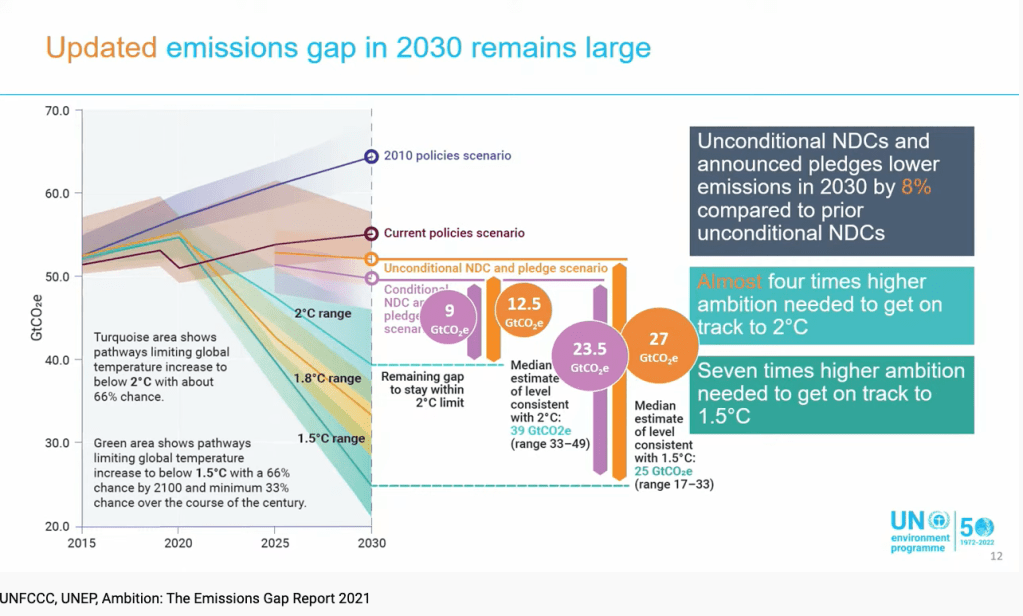
Figure 3: Source: UNEP Emissions Gap Report 2021 updated midway through week two of COP26 accounting for new pledges. 

Time is running out, midway through the second week of COP26, the United Nations Environmental Partnership (UNEP) presented its assessment on the change to global temperature projections based on the updated pledges so far agreed in Glasgow.  

Pledges made prior to COP26 via Nationally Determined Contributions (NDCs) put the world on track to reach a temperature increase of 2.7C by the end of the century. To keep the Paris Agreement of keeping warming below 1.5C this century, global greenhouse gas emissions must be reduced by 55% in the next eight years. At this point in COP26, updated pledges now account for just an 8% reduction – this is 7 times too small to keep to 1.5C and 4 times too small to keep to 2C. Updated projections based on COP26 so far now estimate a temperature rise of 2.4C by 2100. Net-zero pledges could reduce this by a further 0.5C, however plans are sketchy and not included in NDCs. So far just five of the G20 countries are on a pathway to net-zero.

Anne’s response regarding policy implementation in law: 

“Countries pledge targets for example for 2030 under the UN framework for climate change and there’s no international law to enforce them, at least not yet. Some countries have put net-zero policies into law, which has a much bigger impact as the government can be held accountable for the implementation of their pledges.” 

Following my own shock at the size of the emissions gap, I asked Anne if she feels there has been any positive changes in recent years: 

“I do think we have seen a lot of change, actually…the thing is, things are not moving as fast as they should. We have seen change in terms of the commitment of countries and the policy development and development in new technology needed to achieve the goals, these are all positive developments and here now, changing the whole narrative, just 2 years ago no one would have thought we’d have 70 countries setting net-zero emission targets…we are also seeing greater divergence between countries, between those making the effort to assist the green transition such as the UK, EU and others, and those further behind the curve such as China, Brazil and India. It’s important to help these countries transition very soon, peaking emissions and rapidly declining after that.”   

I asked Anne how countries on track can support others: 

“A lot of the great things here (at COP) is to strengthen that international collaboration and sharing of experiences, it’s an important function of the COP meeting, but we need to have the political will and leadership in the countries to drive this forward.” 

Summary 

The momentum that was apparent during the first week of COP26 seemed to have stalled with this update. Despite the monumental effort of so many scientists, NGOs, individuals and those seeking solutions from every conceivable angle, the pledges made on fossil fuel reduction are still so far from what is needed. And at the final hour (plus a day), the ambition to ‘phaseout’ burning coal was changed to ‘phasedown’ and the financial contributions from developed nations pledged to cover loss and damage to countries not responsible for, but impacted now by climate change, have not been realised. I think this is the first time I have really felt the true meaning of ‘climate justice’. Perhaps we do need a planet law, as it seems our political leaders, do not have the will.

Overall, the COPCAS experience has been enjoyable, slightly overwhelming and emotional! It has been great to work together and to share the experiences of those in the Blue zone. It was also an amazing learning experience; I think I have barely touched the surface of the entire COP process and I would still like to understand more.

CMIP6 Data Hackathon

Brian Lo – brian.lo@pgr.reading.ac.uk 

Chloe Brimicombe – c.r.brimicombe@pgr.reading.ac.uk 

What is it?

A hackathon, from the words hack (meaning exploratory programming, not the alternate meaning of breaching computer security) and marathon, is usually a sprint-like event where programmers collaborate intensively with the goal of creating functioning software by the end of the event. From 2 to 4 June 2021, more than a hundred early career climate scientists and enthusiasts (mostly PhDs and Postdocs) from UK universities took part in a climate hackathon organised jointly by Universities of Bristol, Exeter and Leeds, and the Met Office. The common goal was to quickly analyse certain aspects of Climate Model Intercomparison Project 6 (CMIP6) data to output cutting-edge research that could be worked into a published material and shown in this year’s COP26. 

Before the event, attendees signed up to their preferred project from a choice of ten. Topics ranged from how climate change will affect migration of arctic terns to the effects of geoengineering by stratospheric sulfate injections and more… Senior academics from a range of disciplines and institutions led each project. 

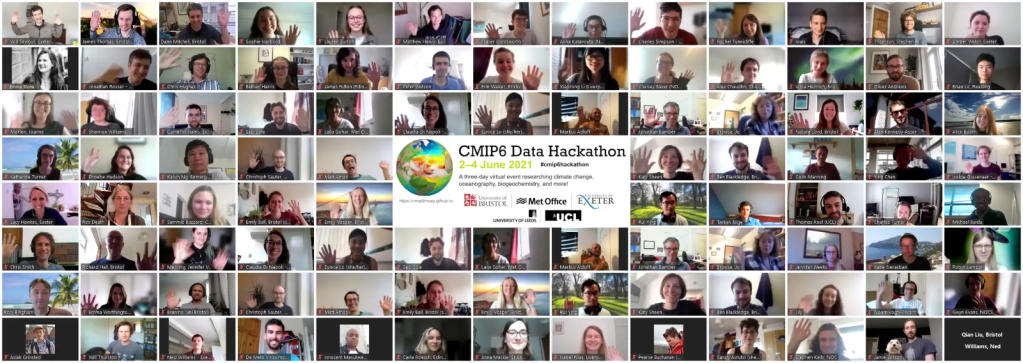
Group photo of participants at the CMIP6 Data Hackathon

How is this virtual hackathon different to a usual hackathon? 

Like many other events this year, the hackathon took place virtually, using a combination of video conferencing (Zoom) for seminars and teamwork, and discussion forums (Slack). 

Brian: 

Compared to two 24-hour non-climate related hackathons I previously attended, this one was spread out for three days, so I managed not to disrupt my usual sleep schedules! The experience of pair programming with one or two other team members was as easy, since I shared one of my screens on Zoom breakout rooms throughout the event. What I really missed were the free meals, plenty of snacks and drinks usually on offer at normal hackathons to keep me energised while I programmed. 

Chloe:

I’ve been to a climate campaign hackathon before, and I did a hackathon style event to end a group project during the computer science part of my undergraduate; we made the boardgame buccaneer in java. But this was set out completely differently. And, it was not as time intensive as those which was nice. I missed not being in a room with those you are on a project with and still missing out on free food – hopefully not for too much longer. But we made use of Zoom and Slack for communication. And Jasmin and the version control that git offers with individuals working on branches and then these were merged at the end of the hackathon. 

What did we do? 

Brian: 

Project 2: How well do the CMIP6 models represent the tropical rainfall belt over Africa? 

Using Gaussian parameters in Nikulin & Hewitson 2019 to describe the intensity, mean meridional position and width of the tropical rainfall belt (TRB), the team I was in investigated three aspects of CMIP6 models for capturing the Africa TRB, namely the model biases, projections and whether there was any useful forecast information in CMIP6 decadal hindcasts. These retrospective forecasts were generated under the Decadal Climate Prediction Project (DCPP), with an aim of investigating the skill of CMIP models in predicting climate variations from a year to a decade ahead. Our larger group of around ten split ourselves amongst these three key aspects. I focused on aspect of CMIP6 decadal hindcasts, where I compared different decadal models at different model lead times with three observation sources. 

Chloe: 

Project 10: Human heat stress in a warming world 

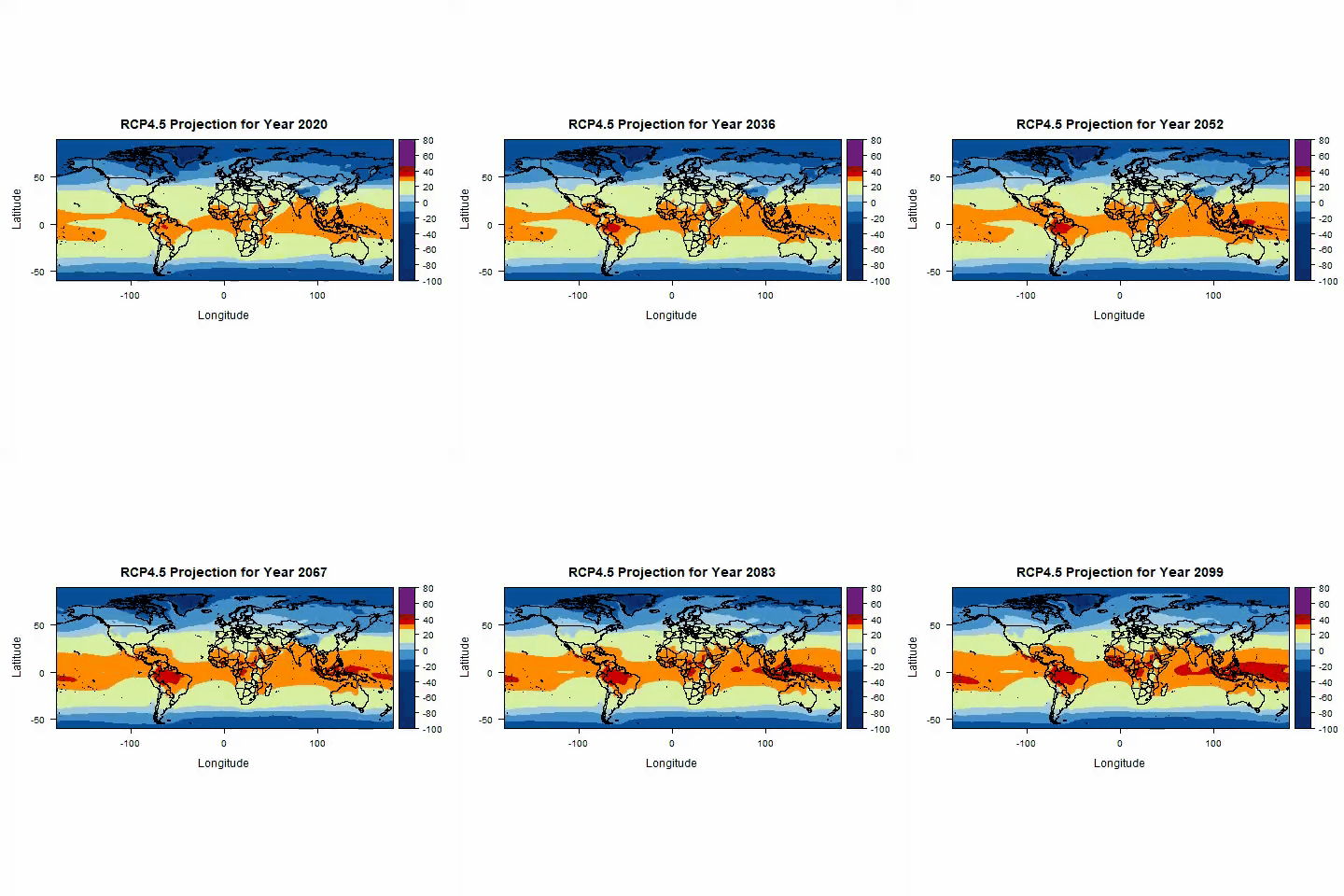
Our team leader Chris had calculated the universal thermal climate index (UTCI) – a heat stress index for a bunch of the CMIP6 climate models. He was looking into bias correction against the ERA5 HEAT reanalysis dataset whilst we split into smaller groups. We looked at a range of different things from how the intensity of heat stress changed to how the UTCI compared to mortality. I ended up coding with one of my (5) PhD supervisors Claudia Di Napoli and we made amongst other things the gif below.  

https://twitter.com/ChloBrim/status/1400780543193649153
Annual means of the UTCI for RCP4.5 (medium emissions) projection from 2020 to 2099.

Would we recommend meteorology/climate-related hackathon? 

Brian: 

Yes! The three days was a nice break from my own radar research work. The event was nevertheless good training for thinking quickly and creatively to approach research questions other than those in my own PhD project. The experience also sharpened my coding and data exploration skills, while also getting the chance to quickly learn advanced methods for certain software packages (such as xarray and iris). I was amazed at the amount of scientific output achieved in only three short days! 

Chloe: 

Yes, but also make sure if it’s online you block out the time and dedicate all your focus to the hackathon. Don’t be like me. The hackathon taught me more about python handling of netcdfs, but I am not yet a python plotting convert, there are some things R is just nicer for. And I still love researching heat stress and heatwaves, so that’s good!  

We hope that the CMIP hackathon runs again next year to give more people the opportunity to get involved. 

Quantifying Arctic Storm Risk in a Changing Climate

Alec Vessey (Final Year PhD Student) – alexandervessey@pgr.reading.ac.uk 
Supervisors: Kevin Hodges (UoR), Len Shaffrey (UoR), Jonny Day (ECMWF), John Wardman (AXA XL)
 

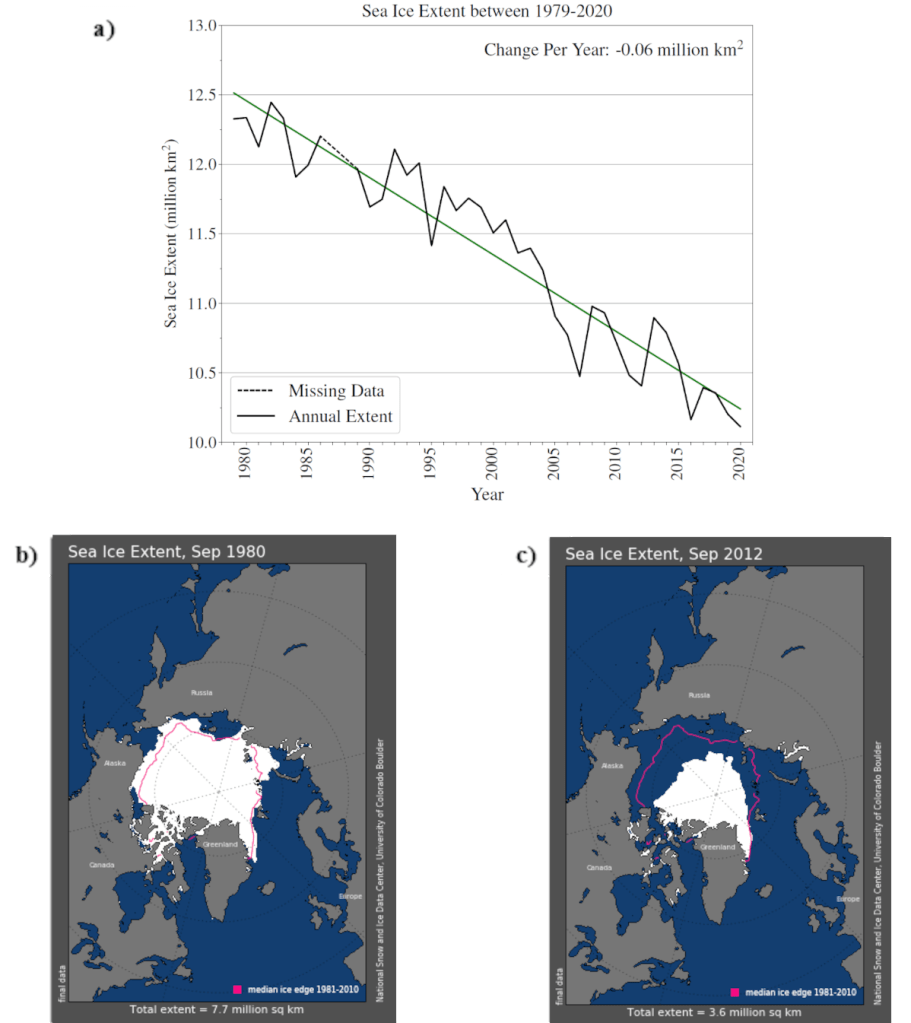
Arctic sea ice extent has reduced dramatically since it was first monitored by satellites in 1979 – at a rate of 60,000 km2 per year (see Figure 1a). This is equivalent to losing an ice sheet the size of London every 10 days. This dramatic reduction in sea ice extent has been caused by global temperatures increasing, which is a result of anthropogenic climate change. The Arctic is the region of Earth that has undergone the greatest warming in recent decades, due to the positive feedback mechanism of Arctic Amplification. Global temperatures are expected to continue to increase into the 21st century, further reducing Arctic sea ice extent. 

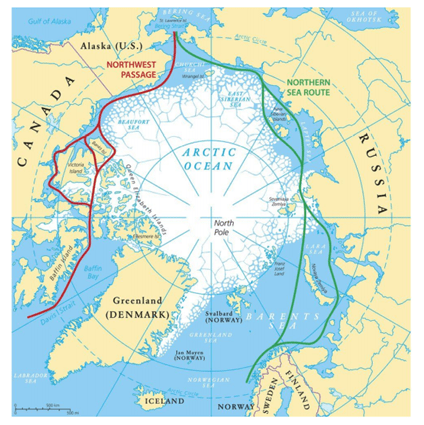
Consequently, the Arctic Ocean has become increasingly open and navigable for ships (see Figure 1b and 1c). The Arctic Ocean provides shorter distances between ports in Europe and North America to ports in Asia than more traditional routes in the mid-latitudes that include the Suez Canal Route and the routes through the Panama Canal. There are two main shipping routes in the Arctic, the Northern Sea Route (along the coastline of Eurasia) and the Northwest Passage (through the Canadian Archipelago) (see Figure 2). For example, the distance between the Ports of Rotterdam and Tokyo can be reduced by 4,300 nautical-miles if ships travel through the Arctic (total distance: 7,000 nautical-miles) rather than using the mid-latitude route through the Suez Canal (total distance: 11,300 nautical-miles). Travelling through the Arctic could increase profits for shipping companies. Shorter journeys will require less fuel to be spent on between destinations and allow more time for additional shipping contracts to be pursued. It is expected that the number of ships in the Arctic will increase exponentially in the near future, when infrastructure is developed, and sea ice extent reduces further.  

Figure 1. Reductions in Arctic sea ice extent from 1979 – 2020. a) Annual Arctic sea ice extent per year between 1979-2020. b) Spatial distribution of Arctic sea ice in September 1980. c) Spatial distribution of Arctic sea ice in September 2012 (the lowest sea ice extent on record). Sourced from the National Sea and Ice Data Center.
Figure 2. A map of the two main shipping routes through the Arctic. The Northwest Passage connects North America with the Bering Strait (and onto Asia), and the Northern Sea Route connects Europe with the Bering Strait (and onto Asia). Source: BBC (2016).

However, as human activity in the Arctic increases, the vulnerability of valuable assets and the risk to life due to exposure to hazardous weather conditions also increases.  Hazardous weather conditions often occur during the passage of storms.  Storms cause high surface wind speeds and high ocean waves. Arctic storms have also been shown to lead to enhanced break up of sea ice, resulting in additional hazards when ice drifts towards shipping lanes. Furthermore, the Arctic environment is extremely cold, with search and rescue and other support infrastructure poorly established. Thus, the Arctic is a very challenging environment for human activity. 

Over the last century, the risks of mid-latitude storms and hurricanes have been a focal-point of research in the scientific community, due to their damaging impact in densely populated areas. Population in the Arctic has only just started to increase. It was only in 2008 that sea ice had retreated far enough for both of the Arctic shipping lanes to be open simultaneously (European Space Agency, 2008). Arctic storms are less well understood than these hazards, mainly because they have not been a primary focus of research. Reductions in sea ice extent and increasing human activity mean that it is imperative to further the understanding of Arctic storms. 

This is what my PhD project is all about – quantifying the risk of Arctic storms in a changing climate. My project has four main questions, which try to fill the research gaps surrounding Arctic storm risk. These questions include: 

  1. What are the present characteristics (frequency, spatial distribution, intensity) of Arctic storms, and, what is the associated uncertainty of this when using different datasets and storm tracking algorithms? 
  1. What is the structure and development of Arctic storms, and how does this differ to that of mid-latitude storms? 
  1. How might Arctic storms change in a future climate in response to climate change? 
  1. Can the risk of Arctic storms impacting shipping activities be quantified by combining storm track data and ship track data? 

Results of my first research question are summarised in a recent paper (https://link.springer.com/article/10.1007/s00382-020-05142-4 – Vessey et al. 2020).  I previously wrote a blog post on the The Social Metwork summarising this paper, which can be found at https://socialmetwork.blog/2020/02/21/arctic-storms-in-multiple-global-reanalysis-datasets/. This showed that there is a seasonality to Arctic storms, with most winter (DJF) Arctic storms occurring in the Greenland, Norwegian and Barents Sea region, whereas, summer (JJA) Arctic storms generally occur over the coastline of Eurasia and the high Arctic Ocean. Despite the dramatic reductions in Arctic sea ice over the past few decades (see Figure 1), there is no trend in Arctic storm frequency. In the paper, the uncertainty in the present climate characteristics of Arctic storms is assessed, by using multiple reanalysis datasets and tracking methods. A reanalysis datasets is our best approximation of past atmospheric conditions, that combines past observations with state-of-the-art Numerical Weather Prediction Models. 

The deadline for my PhD project is the 30th of June 2021, so I am currently experiencing the very busy period of writing up my Thesis. Hopefully, there aren’t too many hiccups over the next few months, and perhaps I will be able to write some of my research chapters up as papers.  

References: 

BBC, 2016, Arctic Ocean shipping routes ‘to open for months’. https://www.bbc.com/news/science-environment-37286750. Accessed 18 March 2021. 

European Space Agency, 2008: Arctic sea ice annual freeze-up underway. https://www.esa.int/Applications/Observing_the_Earth/Space_for_our_climate/Arctic_sea_ice_annual_freeze_nobr_-up_nobr_underway. Accessed 18 March 2021. 

National Snow & Ice Data Centre, (2021), Sea Ice Index. https://nsidc.org/data/seaice_index. Accessed 18 March 2021. 

Vessey, A.F., K.I., Hodges, L.C., Shaffrey and J.J. Day, 2020: An Inter-comparison of Arctic synoptic scale storms between four global reanalysis datasets. Climate Dynamics, 54 (5), 2777-2795. 

The role of climate change in the 2003 European and 2010 Russian heatwaves using nudged storylines

Linda van Garderen – linda.vangarderen@hzg.de

During the summer of 2003, Europe experienced two heatwaves with, until then, unprecedented temperatures. The 2003 summer temperature record was shattered in 2010 by the Russian heatwave, which broke even Paleo records. The question remained, if climate change influenced these two events. Many contribution studies based on the likelihood of the dynamical situation were published, providing important input to answering this question. However, the position of low and high-pressure systems and other dynamical aspects of climate change are noisy and uncertain. The storyline method attributes the thermodynamic aspects of climate change (e.g. temperature), which are visible in observations and far more certain. 

Storylines 

All of us regularly think in terms of what if and if only. It is the human way of calculating hypothetic results in case we would have made a different choice. This helps us think in future scenarios, trying to figure out what choice will lead to which consequence. It is a tool to reduce risk by finding a future scenario that seems the best or safest outcome. In the storyline method, we use this exact mind-set. What if there was no climate change, would this heatwave be the same? What if the world was 2°C warmer, what would this heatwave have looked like then? With the help of an atmospheric model we can calculate what a heatwave would have been like in a world without climate change or increased climate change. 

In our study, we have two storylines: 1) the world as we know it that includes a changing climate, which we call the ‘factual’ storyline and 2) a world that could have been without climate change, which we call the ‘counterfactual’ storyline. We simulate the dynamical aspects of the weather extreme exactly the same in both storylines using a spectral nudging technique and compare the differences in temperatures.  To put it more precise, the horizontal wind flow is made up out of vorticity (circular movement) and divergence (spreading out or closing in). We nudge (or push) these two variables in the higher atmosphere to, on large scale, be the same in the factual and counterfactual simulations. 

Figure 1. What if we had another world where climate change did not happen? Would the heatwave have been different? Thinking in counterfactual worlds where we made (or will make) different decisions is a common way of thinking to estimate risk. Now we apply this idea in atmospheric modelling.  

European 2003 and Russian 2010 heatwaves 

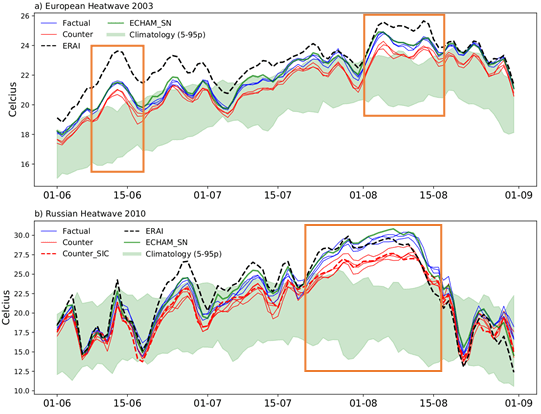
Both the European heatwave in 2003 and the Russian heatwave in 2010 were extremes with unprecedented high temperatures for long periods of time. Besides, there had been little rain already from spring  in either case, which reduced the cooling effect from moisty soil to nearly nothing.  In our analysis we averaged the near surface temperatures in both storylines and compared their output to each other as well as the local climatology. Figure 2 shows the results of that averaging for the European heatwave in panel a and the Russian heatwave in panel b. We focus on the orange boxes, where the blue lines (factual storyline) and the red lines (counterfactual storyline) exceed the 5th-95th percentile climatology (green band). This means that during those days the atmosphere near the surface was uncommonly hot (thus a heatwave). The most important result in this graph is that the blue and red lines are separate from each other in the orange boxes. This means that the average temperature of the world with climate change (blue, factual) is higher than in the world without climate change (red, counterfactual).  

“Even though there would have been a heatwave with or without climate change, climate change has made the heat more extreme” 

Figure 2. Daily mean temperature at 2 meters height for (a) European summer 2003 and (b) Russian summer 2010. The orange boxes are the heatwaves, where the temperatures of the factual (blue) and counterfactual (red) are above the green band of 5th – 95th percentile climatology temperatures.  

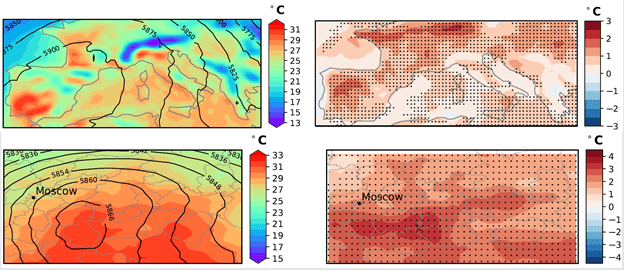
The difference between these temperatures are not the same everywhere, it strongly depends on where you are in Europe or Russia. Let me explain what I mean with the help of Figure 3 with the difference between factual and counterfactual temperatures (right panels) on a map. In both Europe and Russia, we see that there are local regions with temperature differences of almost 0°C, and we see regions where the differences are almost 2.5°C (for Europe) or even 4°C (for Russia). A person living south from Moscow would therefore not have experienced 33°C but 29°C in a world without climate change. It is easy to imagine that such a temperature difference changes the impacts a heatwave has on e.g. public health and agriculture.  

Figure 3. Upper left: Average Temperature at 2 meter height and Geopotential height over Europe at z500 for 1-15th of August 2003, Lower left: Same as upper left but for 1-15th of Russia August 2010. Upper right: Factual minus Counterfactual average temperature at 2 meter height over Europe for 1-15th of August 2003, Lower right: same as lower left but for 1-15th of Russia August 2010. Stippling indicates robust results (all factuals are > 0.1°C warmer than all counterfactuals) 

 “The 2003 European and 2010 Russian heatwaves could locally have been 2.5°C – 4°C cooler in a world without climate change” 

We can conclude therefore, that with the help of our nudged storyline method, we can study the climate signal in extreme events with larger certainty. 

If you are interested in the elaborate explanation of the method and analysis of the two case studies, please take a look at our paper: 

van Garderen, L., Feser, F., and Shepherd, T. G.: A methodology for attributing the role of climate change in extreme events: a global spectrally nudged storyline, Nat. Hazards Earth Syst. Sci., 21, 171–186, https://doi.org/10.5194/nhess-21-171-2021 , 2021. 

If you have questions or remarks, please contact Linda van Garderen at linda.vangarderen@hzg.de

Main challenges for extreme heat risk communication

Chloe Brimicombe – c.r.brimicombe@pgr.reading.ac.uk, @ChloBrim

For my PhD, I research heatwaves and heat stress, with a focus on the African continent. Here I show what the main challenges are for communicating heatwave impacts inspired by a presentation given by Roop Singh of the Red Cross Climate Center at Understanding Risk Forum 2020.  

There is no universal definition of heatwaves 

Having no agreed definition of a heatwave (also known as extreme heat events) is a huge challenge in communicating risk. However, there is a guideline definition by the World Meteorological Organisation and for the UK an agreed definition as of 2019. In simple terms a heatwave is: 

“A period of above average temperatures of 3 or more days in a region’s warm season (i.e. all year in the tropics and in the summer season elsewhere)”  

We then have heat stress which is an impact of heatwaves, and is the killer aspect of heat. Heat stress is: 

“Build-up of body heat as a result of exertion or external environment”(McGregor, 2018) 

Attention Deficit 

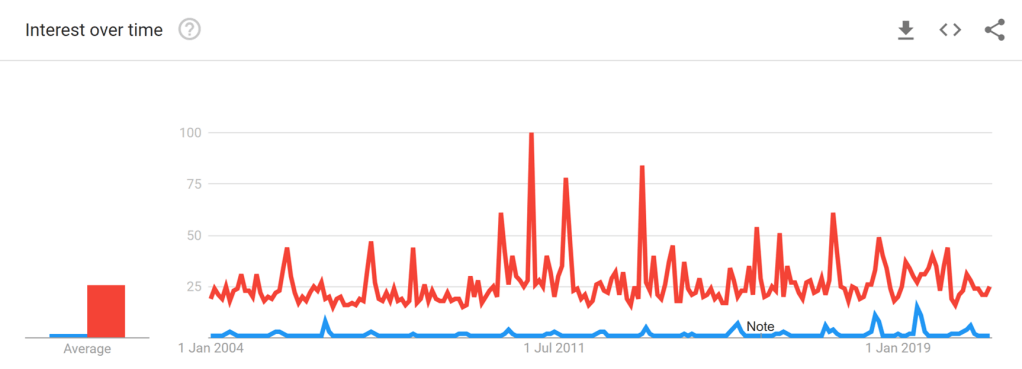
Heatwaves receive low attention in comparison to other natural hazards I.e., Flooding, one of the easiest ways to appreciate this attention deficit is through Google search trends. If we compare ‘heat wave’ to ‘flood’ both designated as disaster search types, you can see that a larger proportion of searches over time are for ‘flood’ in comparison to ‘heat wave’.  

Figure 1: Showing ‘Heat waves’ (blue)  vs ‘Flood’ (red) Disaster Search Types interest over time taken from: https://trends.google.com/trends/explore?date=all&q=%2Fm%2F01qw8g,%2Fm%2F0dbtv 

On average flood has 28% search interest which is over 10 times the amount of interest for heat wave. And this is despite Heatwaves being named the deadliest hydro-meteorological hazard from 2015-2019 by the World Meteorological Organization. Attention is important if someone can remember an event and its impacts easily, they can associate this with the likelihood of it happening. This is known as the availability bias and plays a key role in risk perception. 

Lack of Research and Funding 

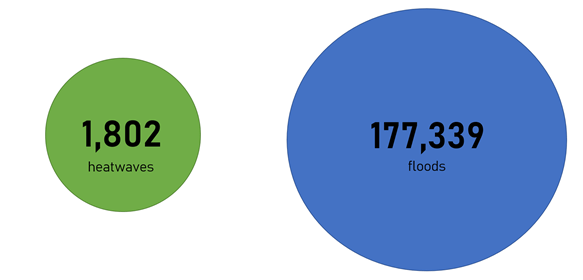
One impact of the attention deficit on extreme heat risk, is there is not ample research and funding on the topic – it’s very patchy. Let’s consider a keyword search of academic papers for ‘heatwave*’ and ‘flood*’ from Scopus an academic database.  

Figure 2: Number of ‘heatwave*’ vs number of ‘flood*’ academic papers from Scopus. 

Research on floods is over 100 times bigger in quantity than heatwaves. This is like what we find for google searches and the attention deficit, and reveals a research bias amongst these hydro-meteorological hazards. And is mirrored by what my research finds for the UK, much more research on floods in comparison to heatwaves (https://doi.org/10.1016/j.envsci.2020.10.021). Our paper is the first for the UK to assess the barriers, causes and solutions for providing adequate research and policy for heatwaves. The motivation behind the paper came from an assignment I did during my masters focusing on UK heatwave policy, where I began to realise how little we in the UK are prepared for these events, which links up nicely with my PhD. For more information you can see my article and press release on the same topic. 

Heat is an invisible risk 

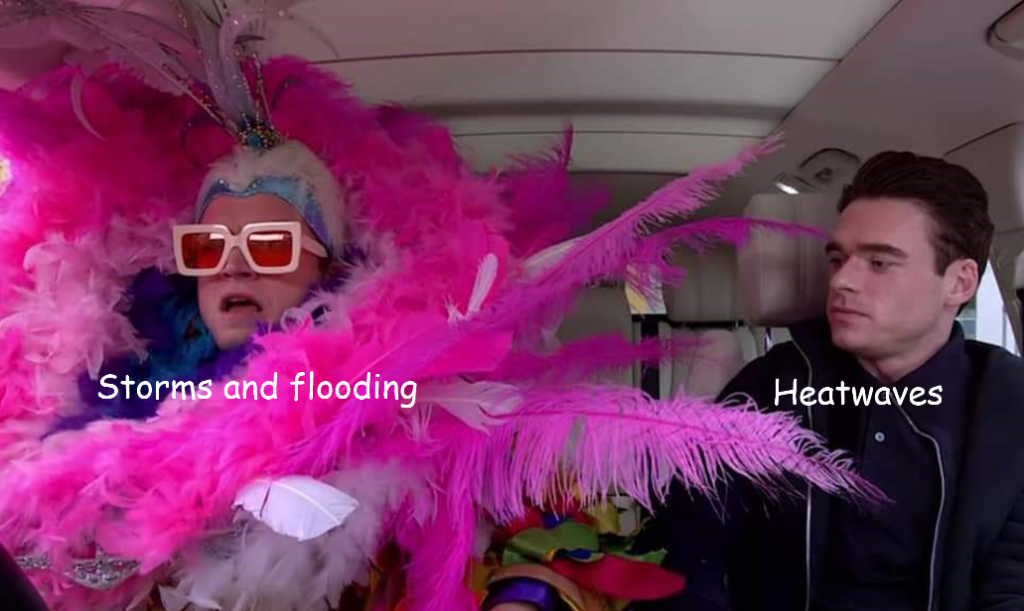
Figure 3: Meme that sums up not perceiving heat as a risk, in comparison, to storms and flooding.

Heatwaves are not something we can touch and like Climate Change, they are not ‘lickable’ or visible. This makes it incredibly difficult for us to perceive them as a risk. And this is compounded by the attention deficit; in the UK most people see heatwaves as a ‘BBQ summer’ or an opportunity to go wild swimming or go to the beach.  

And that’s really nice, but someone’s granny could be experiencing hospitalising heat stress in a top floor flat as a result of overheating that could result in their death. Or for example signal failures on your railway line as a result of heat could prevent you from getting into work, meaning you lose out on pay. I even know someone who got air lifted from the Lake District in their youth as a result of heat stress.  

 A quote from a BBC one program on wild weather in 2020 sums up overheating in homes nicely:

“It is illegal to leave your dog in a car to overheat in these temperatures in the UK, why is it legal for people to overheat in homes at these temperatures

For Africa the perception amongst many is ‘Africa is hot’ so heatwaves are not a risk, because they are ‘used to exposure’ to high temperatures. First, not all of Africa is always hot, that is in the same realm of thinking as the lyrics of the 1984 Band Aid Single. Second, there is not a lot of evidence, with many global papers missing out Africa due to a lack of data. But, there is research on heatwaves and we have evidence they do raise death rates in Africa (research mostly for the West Sahel, for example Burkina Faso) amongst other impacts including decreased crop yields.  

What’s the solution? 

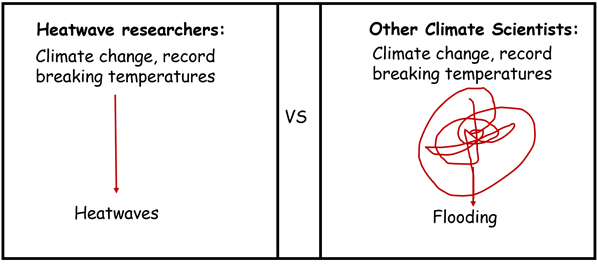
Talk about heatwaves and their impacts. This sounds really simple, but I’ve noticed a tendency of a proportion of climate scientists to talk about record breaking temperatures and never mention land heatwaves (For example the Royal Institute Christmas Lectures 2020). Some even make a wild leap from temperature straight to flooding, which is just painful for me as a heatwave researcher. 

Figure 4: A schematic of heatwaves researchers and other climate scientists talking about climate change. 

So let’s start by talking about heatwaves, heat stress and their impacts.